
Pseudoedophrys hilleri
(Faust, 1889)
Peach Root Weevil
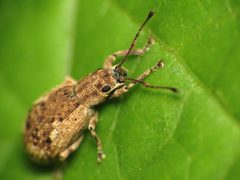
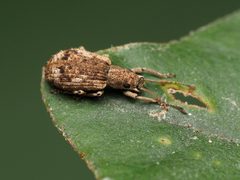
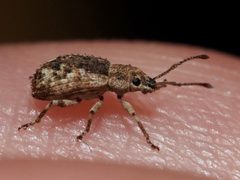
Pseudoedophrys hilleri is a of broad-nosed weevil in the Curculionidae. Native to Japan, it has been introduced to eastern North America and is now established in multiple U.S. states and the District of Columbia. It is the sole described species in its . The "Peach Root Weevil" suggests association with peach , though specific relationships require verification.
Pronunciation
How to pronounce Pseudoedophrys hilleri: //ˌsuːdoʊˈɛdəfɹɪs ˈhɪləri//
These audio files are automatically generated. While they are not always 100% accurate, they are a good starting point.
Identification
As the only in its , identification to genus level distinguishes it from other broad-nosed weevils (Entiminae). Within the tribe Cyphicerini, the genus Pseudoedophrys can be separated from related genera such as Myllocerus by subtle morphological characters of the rostrum and elytral structure. Confirmation of species identity relies on the unique status of the genus.
Images
Distribution
Native to Japan. Introduced and established in eastern North America: recorded from Connecticut, District of Columbia, Indiana, Kentucky, and Henan (China). The Chinese record may represent a separate introduction or native range extension.
Host Associations
- Prunus persica - likely root feeder suggests association; specific feeding habits on peach roots require confirmation
Human Relevance
indicates potential significance as a pest of peach orchards, though economic impact in North America has not been quantified in available sources. Presence in cultivated areas suggests to anthropogenic environments.
Similar Taxa
- Myllocerus spp.Historical confusion due to basionym Myllocerus hilleri; now separated into distinct based on morphological characters
- Other EntiminaeBroad-nosed weevils share general body form; Pseudoedophrys distinguished by -level characters of rostrum and genitalia
More Details
Taxonomic history
Originally described as Myllocerus hilleri by Faust in 1889, later transferred to the Pseudoedophrys. The genus placement reflects refined understanding of relationships within Cyphicerini.
Invasion biology
Documented spread from Japan to North America and China indicates human-mediated , likely through plant trade. Pattern of establishment in urban and suburban areas (Connecticut, D.C.) suggests introduction via horticultural material.