Trigonorhinus griseus
LeConte, 1876
fungus weevil
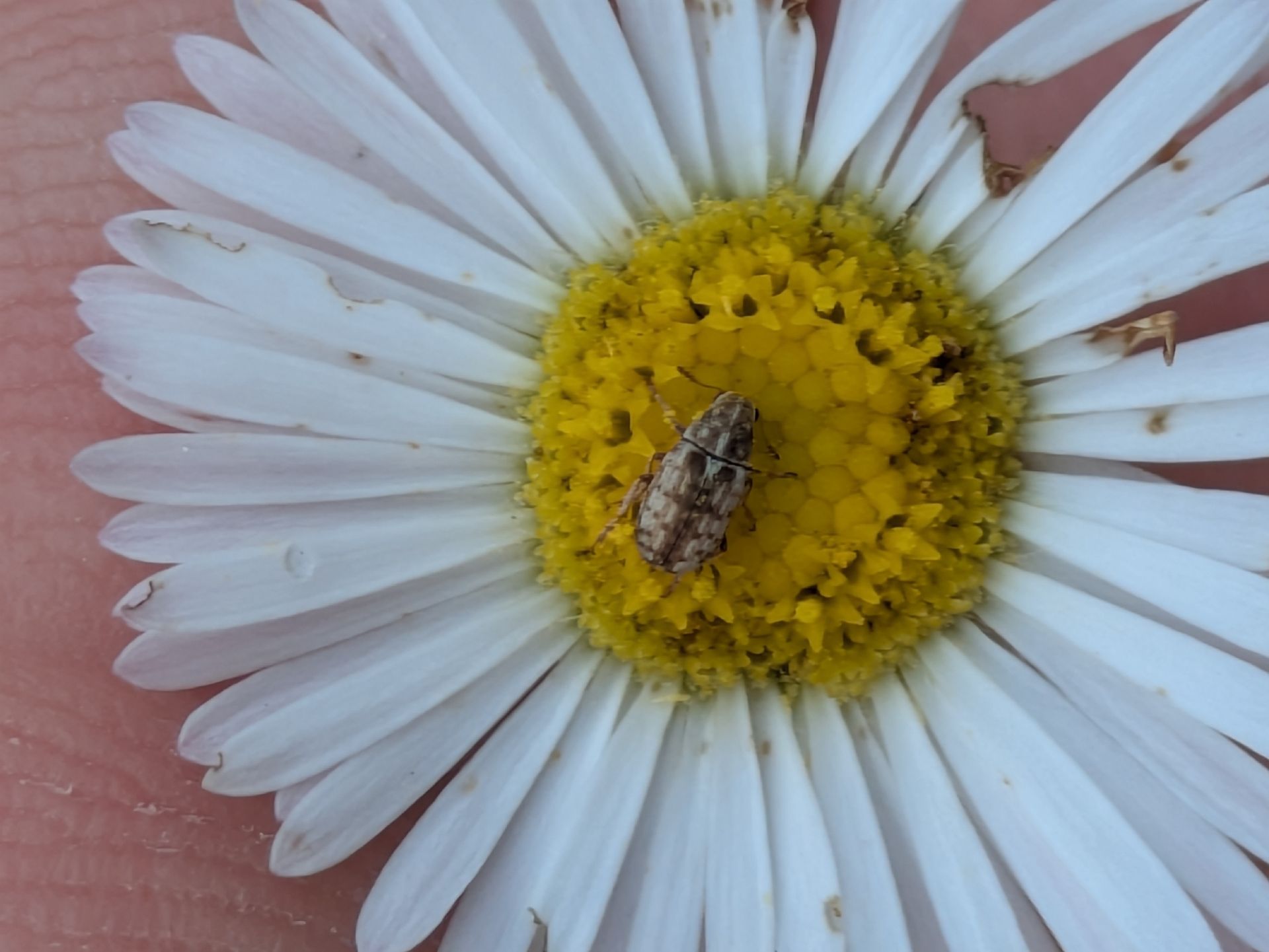
Trigonorhinus griseus is a of fungus weevil in the Anthribidae, described by LeConte in 1876. The species is distributed across Central America and North America, with records from Canada (Alberta, Saskatchewan) through to the southern United States and into Central America. As a member of the fungus weevils, it is associated with fungal feeding habits, though specific ecological details remain poorly documented. The Trigonorhinus contains multiple species that can be challenging to distinguish without close examination.
Pronunciation
How to pronounce Trigonorhinus griseus: //ˌtrɪɡənoʊˈraɪnəs ˈɡrɪsiːəs//
These audio files are automatically generated. While they are not always 100% accurate, they are a good starting point.
Identification
Members of Trigonorhinus are small to medium-sized weevils characterized by a somewhat triangular or rounded body shape and relatively short, broad rostrum compared to true weevils (Curculionidae). The epithet griseus refers to the grayish coloration typical of this species. Accurate identification to species level requires examination of genitalic structures and comparison with type material, as external among Trigonorhinus species can be subtle and overlapping. The antennal club and scutellar shape are important diagnostic features within the .
Images
Distribution
Central America and North America. Documented records include the Canadian provinces of Alberta and Saskatchewan, the United States, and extending southward through Central America.
Similar Taxa
- Trigonorhinus rotundatusOverlapping distribution in North America; similar body form and size, requiring genitalic examination for reliable separation
- Other Anthribidae genera (e.g., Euparius, Araecerus)Similar fungus weevil ; distinguished by antennal structure, body proportions, and rostrum shape
More Details
Taxonomic note
The Anthribidae , commonly called fungus weevils, is distinguished from the true weevils (Curculionidae) by the straight rather than geniculate (elbowed) and the typically shorter, broader rostrum. Trigonorhinus is one of the more -rich in this family in the Nearctic region.
Data gaps
Despite being a described with a broad geographic range, T. griseus remains poorly studied ecologically. Published records are largely based on museum specimens and taxonomic revisions rather than field observations. No detailed studies of its stages, specific fungal , or have been located.