
Carpophilus pilosellus
Motschulsky, 1858
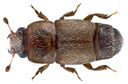
Carpophilus pilosellus is a of sap-feeding beetle in the Nitidulidae. It has been established as a junior synonym of Carpophilus marginellus Motschulsky, 1858 based on examination of . The species belongs to a containing several agricultural pests, though specific biological details for C. pilosellus itself remain poorly documented.
Pronunciation
How to pronounce Carpophilus pilosellus: //kɑːrˈpɒfɪləs ˌpaɪloʊˈsɛləs//
These audio files are automatically generated. While they are not always 100% accurate, they are a good starting point.
Identification
C. pilosellus has been synonymized with C. marginellus; accurate identification requires examination of and reference to the taxonomic revision establishing this synonymy. Members of the Carpophilus are small, oval beetles typically 2–5 mm in length with clubbed and often patterned .
Images
Distribution
Records indicate presence in Europe and Northern Asia (excluding China) and Southern Asia. Specific locality data is sparse due to taxonomic confusion with related .
Similar Taxa
- Carpophilus marginellusEstablished as senior synonym; C. pilosellus was synonymized with this based on examination.
- Carpophilus truncatusCongeneric with well-documented pest status; differs in confirmed agricultural pest and distinct geographic origin (Europe).
- Carpophilus hemipterusCongeneric with known rearing protocols using bananas and sand; biological similarities expected within but specific differences for C. pilosellus unverified.
- Carpophilus mutilatusCongeneric with broad distribution (Oceania, Europe, North America, temperate Asia); may overlap in range and .
More Details
Taxonomic Status
The synonymy of C. pilosellus with C. marginellus was established in a 2025 publication in The Coleopterists' Bulletin. This revision clarifies long-standing confusion within the .
Data Limitations
Most available information pertains to congeneric , particularly C. truncatus, which has received intensive study due to its pest status. Direct biological observations for C. pilosellus are not documented in accessible sources.