
Enicmus
C.G. Thomson, 1859
Species Guides
8- Enicmus aterrimus
- Enicmus brevicornis(plaster beetle)
- Enicmus cordatus
- Enicmus fictus
- Enicmus histrio
- Enicmus maculatus(Checkered Latridiid)
- Enicmus mimus
- Enicmus tenuicornis
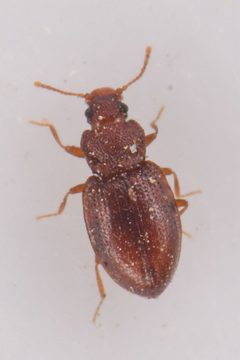
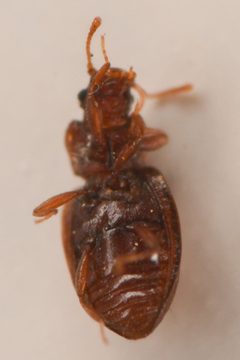
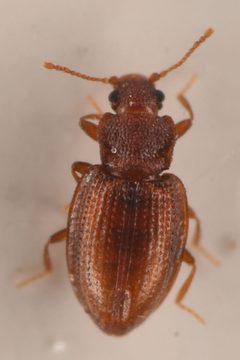
Enicmus is a of minute brown scavenger beetles in the Latridiidae, established by C.G. Thomson in 1859. The genus contains approximately 50 . Members of this genus are small beetles associated with decomposing organic matter and mold growths.
Pronunciation
How to pronounce Enicmus: /ˈɛnɪkməs/
These audio files are automatically generated. While they are not always 100% accurate, they are a good starting point.
Images
Habitat
Associated with moist, decaying organic matter including leaf litter, compost, and fungi. in this are commonly found in environments supporting mold growth, which serves as a food source.
Distribution
Documented from Denmark (DK), Norway (NO), and Sweden (SE). The has a broader distribution including other parts of Europe and potentially wider ranges, though specific records are limited in the provided sources.
Diet
Feeds on fungal and spores, particularly molds growing on decaying plant material.
Ecological Role
Decomposer; contributes to nutrient cycling by consuming fungal in decaying organic matter.
Human Relevance
Occasionally found in stored products and damp buildings where mold growth occurs. Not considered a significant pest.
Similar Taxa
- LatridiusBoth belong to Latridiidae and share similar small size and mold-feeding habits; Enicmus may be distinguished by subtle differences in antennal structure and pronotal shape, though definitive identification often requires microscopic examination.
- DienerellaAnother in Latridiidae with overlapping ecological preferences; -level identification between Enicmus and Dienerella requires examination of detailed morphological characters.
More Details
Taxonomic history
The was established by Carl Gustaf Thomson in 1859. The Latridiidae, to which Enicmus belongs, was previously treated as a of (now often spelled Latridiidae).