
Lycoperdina
Latreille, 1807
handsome fungus beetles
Species Guides
1- Lycoperdina ferruginea(handsome fungus beetle)
Lycoperdina is a of handsome fungus beetles ( Endomychidae) containing approximately 13–16 described . Members of this genus are associated with fungal substrates, particularly puffballs (Lycoperdon and related genera), from which the genus derives its name. The genus is distributed across the Holarctic region, with records from Europe and North America. As part of the Lycoperdininae, these beetles represent a specialized lineage within the broader Endomychidae, a family characterized by mycophagous habits.
Pronunciation
How to pronounce Lycoperdina: /ˌlaɪkoʊˈpɜrdɪnə/
These audio files are automatically generated. While they are not always 100% accurate, they are a good starting point.
Identification
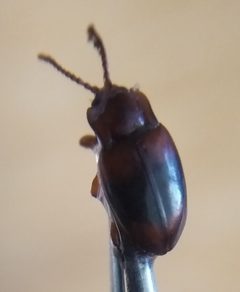
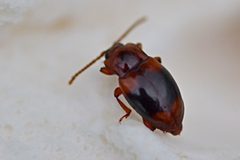
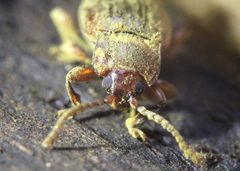
-level identification within Lycoperdina requires examination of subtle morphological characters including antennal club structure, pronotal and elytral punctation patterns, and male genitalia. The can be distinguished from other Endomychidae by the combination of: moderately expanded antennomeres forming a loose club; pronotum with distinct lateral margins; and typically with complete or nearly complete epipleural fold. Lycoperdina species generally exhibit compact, somewhat convex body forms with coloration ranging from reddish-brown to black, often with contrasting pale markings on the elytra.
Images
Habitat
in this are primarily found in association with fruiting bodies of gasteroid fungi, particularly puffballs (Lycoperdon, Calvatia, and related genera) and occasionally bird's nest fungi (Nidulariaceae). include deciduous and mixed woodlands, forest edges, and areas with abundant fungal decomposition. Beetles occur both on the exterior and within the gleba of fungal fruiting bodies.
Distribution
Recorded from Europe (Denmark, Norway, Sweden) and North America (eastern United States, including Vermont). The appears to have a primarily Holarctic distribution, though precise range limits for individual remain poorly documented.
Seasonality
activity coincides with the fruiting period of fungi, generally late summer through autumn in temperate regions. Larval development occurs within fungal substrates.
Diet
Mycophagous; and larvae feed on the spore mass and decaying tissues of gasteroid fungi, particularly puffballs (Lycoperdon spp. and related ).
Host Associations
- Lycoperdon - food sourcepuffball fungi; primary
- Calvatia - food sourcegiant puffballs
- Nidulariaceae - food sourcebird's nest fungi; occasional
Life Cycle
Complete with , larval, pupal, and stages. Larvae develop within the fungal fruiting body, feeding on the internal spore mass. occurs within the fungal substrate or in adjacent soil/litter. Adults may overwinter and are associated with fungal fruiting bodies during the growing season.
Behavior
are often found in on or within fungal fruiting bodies. Both adults and larvae are confined to fungal substrates and do not appear to disperse widely from patches. When disturbed, adults may retract appendages and remain motionless, relying on cryptic coloration.
Ecological Role
Decomposers specializing in fungal substrates; contribute to nutrient cycling by consuming and fragmenting fungal tissues. May incidentally facilitate spore through movement between fruiting bodies.
Human Relevance
No direct economic importance. Occasionally encountered by mushroom collectors and naturalists. Serve as indicators of healthy fungal in forest .
Similar Taxa
- EndomychusShares Endomychidae and general mycophagous habits, but differs in antennal structure (more compact club) and typical association with bracket fungi rather than puffballs
- MycetinaConvergent body form and mycophagy, but distinguished by more strongly clubbed and different pronotal shape
- other Lycoperdininae generaRequire careful examination of tarsal formula, antennal proportions, and male genitalia for definitive separation
More Details
Nomenclature
The name Lycoperdina derives from the Greek 'lycos' (wolf) and 'perdesthai' (to break wind), referring to the puffball fungi that emit a cloud of spores when mature—the primary of these beetles.
Taxonomic Uncertainty
counts vary between sources (13 vs. 16 species), reflecting ongoing taxonomic revision and potential synonymy issues within the .