
Pharoscymnus
Bedel, 1906
Species Guides
1- Pharoscymnus flexibilis(Indian Lady Beetle)
Pharoscymnus is a of lady beetles in the Coccinellidae, established by Bedel in 1906. The genus comprises approximately 11 described and is widely distributed across Asian and Afrotropical regions. Several species have been introduced to other regions, including Europe and the Americas, for of scale insects. Members of this genus are recognized as specialized of scale insects (Coccoidea), with documented utility in agricultural pest management.
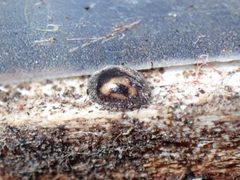
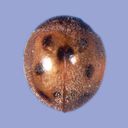
Pronunciation
How to pronounce Pharoscymnus: //ˌfæroʊˈsaɪmnəs//
These audio files are automatically generated. While they are not always 100% accurate, they are a good starting point.
Identification
within Pharoscymnus are distinguished by morphological features typical of the tribe Sticholotidini, including compact body form and specific arrangements of tarsal segments. Diagnostic accounts for regional species rely on detailed examination of genitalia, elytral punctation patterns, and coloration. stages have been illustrated for some species, showing characteristic larval and pupal . Accurate identification to species level requires reference to specialized taxonomic keys and comparison with .
Images
Distribution
Native range includes Asian and Afrotropical regions. The is represented by four in the Indian subcontinent. Pharoscymnus flexibilis has become established in parts of Europe, South America, and North America through deliberate or accidental introduction. Pharoscymnus simmondsi, previously known only from Pakistan, has been recorded from Delhi, India.
Diet
Specialized of scale insects (Coccoidea). Documented prey includes Parlatoria blanchardi (date palm scale), Melanaspis glomerata (sugarcane ), and Chrysomphalus ficus. Some demonstrate ability to utilize alternative foods, including , which enhances survival under conditions of natural food scarcity.
Host Associations
- Parlatoria blanchardi - preydate palm scale; primary for P. numidicus
- Melanaspis glomerata - preysugarcane
- Chrysomphalus ficus - prey insect on fig
Behavior
Larval searching capacity increases with age. Movement patterns during foraging are random rather than directed toward prey; direction of movement is influenced by physical factors such as light. has been observed as a survival strategy under food-limited conditions. Feeding capacity varies with instar, sex, prior feeding history, atmospheric temperature, and .
Ecological Role
of scale insects in natural and agricultural . Functions as a agent for economically important pests, particularly in date palm and sugarcane . The introduction of P. flexibilis to multiple continents reflects its perceived value in programs.
Human Relevance
Utilized as a agent for agricultural insect pests. The deliberate or accidental introduction of P. flexibilis to Europe and the Americas indicates its role in efforts. Specific such as P. numidicus have been studied for their potential in managing date palm scale .
Similar Taxa
- ChilocorusBoth contain scale-feeding lady beetles; distinguished by tribal placement (Chilocorini vs. Sticholotidini) and morphological details of tarsal structure
- SticholotisCongeneric within tribe Sticholotidini; separation requires examination of specific diagnostic characters including genitalia and punctation patterns
More Details
Species diversity
The contains approximately 11 described , with regional representation varying: four species in the Indian subcontinent, and broader diversity in Asian and Afrotropical regions. Species include P. angohranensis, P. arabicus, P. brunneosignatus, P. decemplagiatus, P. fleischeri, P. flexibilis, P. grandcanariensis, P. ovoideus, P. pharoides, P. setulosus, and P. taoi.
Introduction history
P. flexibilis has established outside its native range in Europe, South America, and North America. The mechanism of introduction includes both deliberate release for and accidental transport.