
Scymnus indianensis
Weise, 1929
Indiana lady beetle
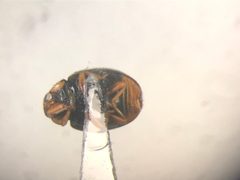
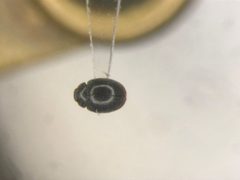
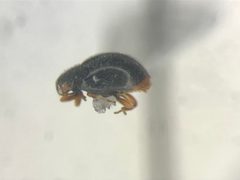
Scymnus indianensis, commonly known as the Indiana lady , is a small dusky lady beetle in the Coccinellidae. It belongs to the Scymnus, which comprises minute lady beetles often characterized by their dull coloration and pubescent bodies. The was described by Weise in 1929 and is documented from North America, with specific records from Ontario, Canada. Like other members of Scymninae, it is presumed to be a of small soft-bodied insects, though direct observations of its remain limited.
Pronunciation
How to pronounce Scymnus indianensis: /ˈsɪmnəs ˌɪndiəˈnɛnsɪs/
These audio files are automatically generated. While they are not always 100% accurate, they are a good starting point.
Identification
Difficult to distinguish from other Scymnus without examination of male genitalia or other microscopic characters. Members of Scymnus are separated from other Coccinellidae by their small size, dull coloration, and dense . Within the , S. indianensis would require comparison with closely related species, particularly other North American Scymnus. Identification to species level typically requires examination.
Images
Distribution
North America; documented from Ontario, Canada. The specific epithet 'indianensis' suggests a connection to Indiana or the broader region, though precise type locality details are not provided in available sources.
Ecological Role
Presumed of aphids, scale insects, or other small Hemiptera based on documented habits of , though direct evidence for this is lacking.
Similar Taxa
- Other Scymnus speciesShare small size, dull coloration, and pubescent bodies; require microscopic examination for separation
- Stethorus punctum (spider mite destroyer)Similar minute size and dull coloration, but belongs to different tribe (Stethorini) and has different ecological associations
- Nephus speciesOther small dusky lady beetles in Scymninae with comparable ; Nephus often have more distinct elytral patterns
More Details
Taxonomic note
The was described by Julius Weise in 1929. Weise was a prolific German coleopterist who described numerous Coccinellidae species, particularly from North America and other regions. The specific epithet 'indianensis' follows a common pattern in North American referencing geographic features, though it may refer to the state of Indiana or a broader regional concept.
Data deficiency
This has zero observations in iNaturalist as of the knowledge cutoff, indicating it is rarely encountered, underreported, or potentially misidentified in field records. The lack of basic biological data reflects a broader pattern for many small, inconspicuous Coccinellidae species.