
Cryptognatha
Mulsant, 1850
Species Guides
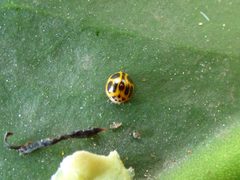
1- Cryptognatha nodiceps(coconut scale predator)
Cryptognatha is a of lady beetles ( Coccinellidae) established by Mulsant in 1850. The genus contains at least 40 described , with members distributed across tropical and subtropical regions. At least one species, Cryptognatha nodiceps, has been studied as a potential agent against scale insects.
Pronunciation
How to pronounce Cryptognatha: /ˌkrɪptoʊˈɡnæθə/
These audio files are automatically generated. While they are not always 100% accurate, they are a good starting point.
Identification
Members of Cryptognatha can be distinguished from other Coccinellidae by their placement in the tribe Cryptognathini. Specific diagnostic morphological features for the genus are not documented in available sources.
Images
Habitat
within this are associated with supporting their insect prey. Cryptognatha nodiceps has been observed in coconut palm environments where its prey, the coconut scale Aspidiotus destructor, occurs.
Diet
Predatory on scale insects (Hemiptera: Diaspididae). Cryptognatha nodiceps preys specifically on Aspidiotus destructor (coconut scale).
Host Associations
- Aspidiotus destructor - preycoconut scale; documented for C. nodiceps
Ecological Role
of scale insects; at least one has been evaluated as a potential agent for agricultural pest management.
Human Relevance
Cryptognatha nodiceps has been investigated as a agent for the coconut scale Aspidiotus destructor, a significant pest of coconut palms.
Similar Taxa
- Other Coccinellidae generaDistinguished by tribal placement in Cryptognathini; specific morphological differentiators require examination
More Details
Taxonomic scope
The contains over 40 described according to available species lists, though many lack detailed biological documentation. Most species-level information is restricted to taxonomic descriptions.
Research focus
Biological research has concentrated on C. nodiceps due to its potential utility in pest management, leaving most other unstudied.