Ceryloninae
Billberg, 1820
Genus Guides
3- Cerylon
- Mychocerus(minute bark beetles)
- Philothermus
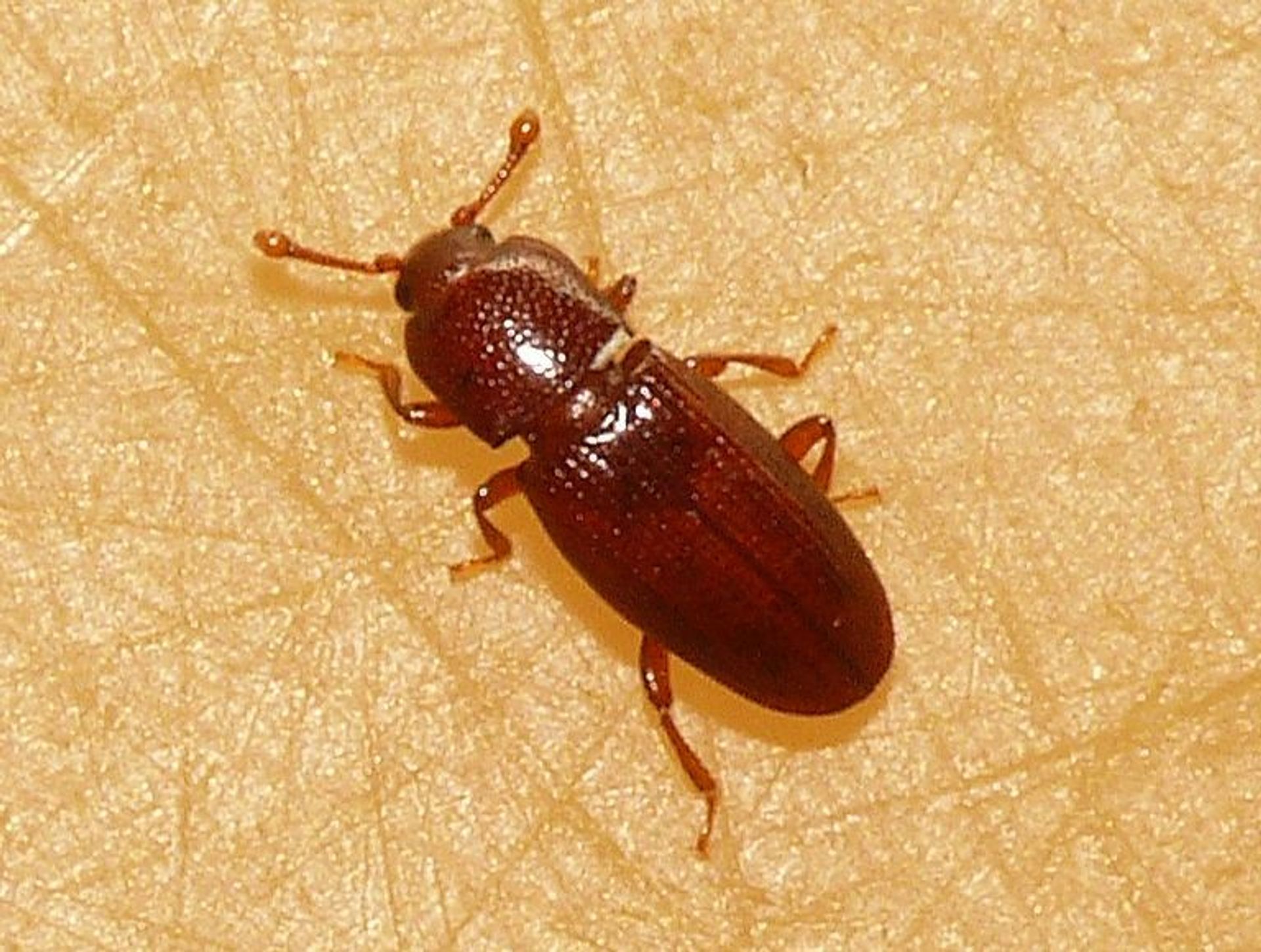
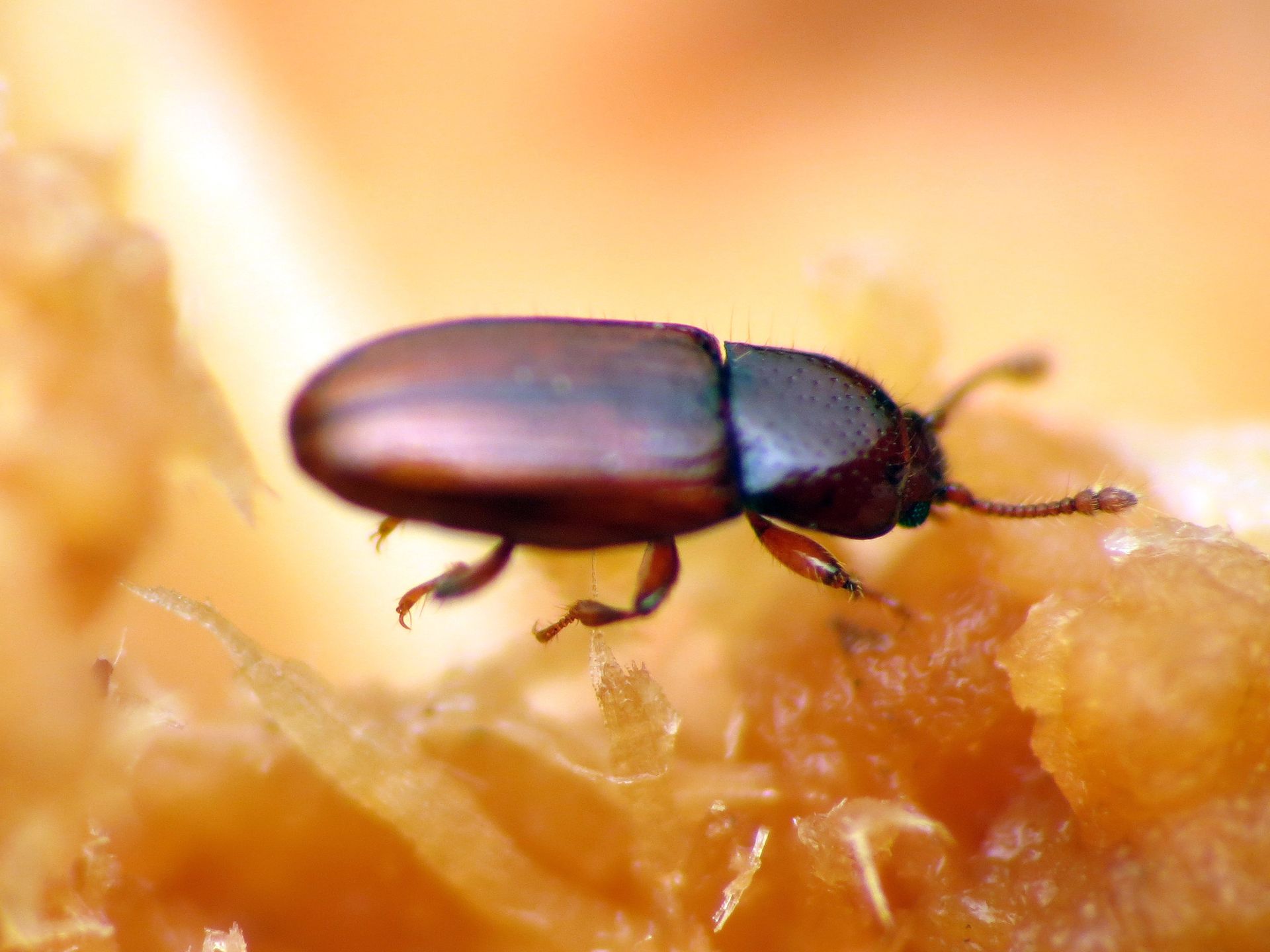
Ceryloninae is a of small beetles within the Cerylonidae, comprising approximately 40 distributed worldwide. These beetles are generally associated with decaying wood and fungal . The subfamily was established by Billberg in 1820 and represents one of the major lineages within Cerylonidae.
Pronunciation
How to pronounce Ceryloninae: //ˌsɛrɪləˈnaɪniː//
These audio files are automatically generated. While they are not always 100% accurate, they are a good starting point.
Identification
Members of Ceryloninae are distinguished from other cerylonid primarily by genitalic and mouthpart characters visible under magnification. They are small beetles, typically under 5 mm, with compact oval to elongate bodies. Definitive identification to or level requires examination of microscopic features including the structure of the , tarsal formula, and antennal club .
Images
Habitat
within Ceryloninae are predominantly found in association with decaying wood, under bark, and in fungal fruiting bodies. They inhabit moist, shaded forest environments where decomposition processes are active. Some have been recorded from leaf litter and humus-rich soils.
Distribution
The has a distribution with representatives on all major continental landmasses except Antarctica. Particular diversity is evident in tropical and subtropical regions, with notable radiations in Africa (Afrorylon, Nkolbissonia), Australia (Australiorylon), and the Oriental region (Orientrylon).
Similar Taxa
- Murmidius (family Cerylonidae, subfamily Murmidinae)Murmidinae are similarly small and associated with decaying matter, but differ in body shape and antennal structure; Murmidius has a more rounded, highly convex body form compared to the generally more elongate Ceryloninae.
- Coccinellidae (lady beetles)Some Ceryloninae with rounded bodies may superficially resemble small lady beetles, but Coccinellidae have distinctly clubbed with 3-segmented clubs and different tarsal formulas (typically 4-4-4 or 3-3-3 versus 5-5-5 in Ceryloninae).
More Details
Taxonomic History
The classification of Ceryloninae has undergone significant revision. Formerly, many constituent were placed in such as (now Zopheridae) or treated as incertae sedis within Cucujoidea. Molecular and morphological studies have confirmed their placement within Cerylonidae as part of the superfamily Coccinelloidea.