
Philothermus
Aubé, 1843
Species Guides
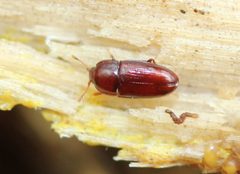
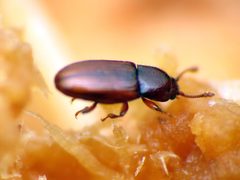
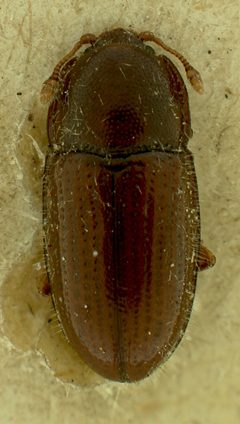
4Philothermus is a of minute bark beetles in the Cerylonidae, containing approximately 17 described . Members are small, compact beetles associated with dead wood . The genus has been documented in Europe, with particular attention to rare species such as P. evanescens in France. Available information on and distribution remains limited for most species.
Pronunciation
How to pronounce Philothermus: //fɪˈlɒθɜːrməs//
These audio files are automatically generated. While they are not always 100% accurate, they are a good starting point.
Identification
Philothermus can be distinguished from the related Cerylon by features detailed in identification keys for Ceryloninae. The genus comprises minute beetles with the compact body form typical of Cerylonidae. Specific diagnostic characters for the genus require examination of morphological details not available in the provided sources.
Images
Habitat
Saproxylic; associated with dead wood. P. evanescens has been documented in this type in the Ain department of France.
Distribution
Documented from France (including Rhône-Alpes region, Ain department for P. evanescens). Broader distribution data for the has been compiled but specific localities for most are not detailed in available sources.
Ecological Role
Decomposer in dead wood . -level information indicates larvae and feed on fungal spores and mycelia, though this has not been confirmed specifically for Philothermus.
Similar Taxa
- CerylonBoth belong to Ceryloninae and are distinguished using identification keys; they share similar minute, compact body forms and saproxylic habits.
More Details
Taxonomic Note
The was established by Aubé in 1843. An identification key for Ceryloninae covering Philothermus and Cerylon is available in French faunistic literature.
Data Limitations
Most biological information for Philothermus derives from -level studies of Cerylonidae. Direct -level observations are sparse, with P. evanescens being the best-documented species due to its rarity and recent discovery in France.