
Cerylon
Latreille, 1802
Species Guides
2Cerylon is a of minute bark beetles in the Cerylonidae, established by Latreille in 1802. The genus comprises approximately 11 described distributed across Europe and North America. These beetles are small, inconspicuous inhabitants of forest where they occupy specialized microhabitats on and beneath bark.
Pronunciation
How to pronounce Cerylon: /ˈsɛrɪˌlɒn/
These audio files are automatically generated. While they are not always 100% accurate, they are a good starting point.
Identification
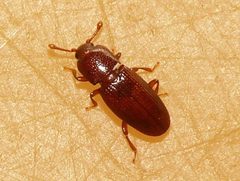
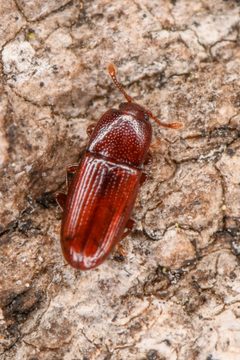
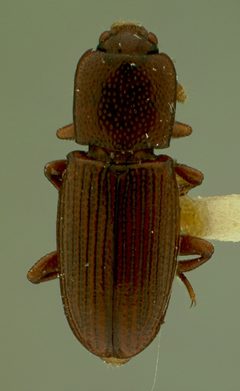
Members of Cerylon are distinguished from other cerylonid by their small size (typically 1.5–3 mm), compact oval body form, and 11-segmented with a weak club. The pronotum is usually distinctly narrower than the at the base. -level identification requires examination of male genitalia and subtle differences in punctation patterns on the elytra and pronotum.
Images
Habitat
Forest environments, specifically beneath bark and in bark crevices of dead and decaying hardwood trees. have been recorded from various tree species including beech (Fagus), oak (Quercus), and other broadleaf trees.
Distribution
Documented from Europe (including Scandinavia: Denmark, Norway, Sweden) and North America. Specific distributions vary: Cerylon castaneum and Cerylon unicolor occur in North America; Cerylon fagi and Cerylon histeroides are European.
Ecological Role
Decomposer in forest , contributing to nutrient cycling through association with decaying wood and bark microhabitats.
Similar Taxa
- Cerylonidae (other genera)Other cerylonid such as Philothermus and Euxestus share the minute size and bark-dwelling habit but differ in antennal structure, body proportions, and details of the pronotal-elytral junction.
- Colydiinae (Zopheridae)Some colydiine beetles occupy similar bark microhabitats and share compact body forms, but possess different antennal structure (often with more pronounced club) and distinct tarsal formulae.