
Psylliodes napi
(Fabricius, 1792)
turnip flea beetle, cabbage-stem flea beetle
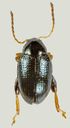
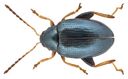
Psylliodes napi is a flea beetle in the Chrysomelidae, widely distributed across Europe, Northern Asia (excluding China), and North America. The is associated with brassicaceous plants and is recognized as an agricultural pest of turnip and related crops. Two are recognized: P. n. napi and P. n. flavicornis.
Pronunciation
How to pronounce Psylliodes napi: /sɪˈlaɪ.oʊdiːz ˈneɪpaɪ/
These audio files are automatically generated. While they are not always 100% accurate, they are a good starting point.
Identification
Distinguished from other Psylliodes by association with brassicaceous ; are small flea beetles with enlarged hind adapted for jumping. Specific diagnostic features for field identification from are not well documented in available sources.
Images
Habitat
Associated with brassicaceous vegetation including cultivated crops and wild relatives; specific microhabitat preferences are not documented.
Distribution
Europe and Northern Asia (excluding China); North America.
Diet
Larvae mine stems, roots, and leaves of brassicaceous plants; feed on leaves.
Behavior
possess enlarged hind enabling -like jumping, characteristic of the .
Ecological Role
Herbivore on brassicaceous plants; agricultural pest status indicates potential economic impact on cultivated crops.
Human Relevance
Agricultural pest of turnip and related brassicaceous crops.
Similar Taxa
- Psylliodes chrysocephalaAlso a brassicaceous-feeding flea beetle with similar and agricultural pest status; distinguished by subtle morphological differences and preferences.
- Psylliodes luridipennisLundy Cabbage Flea Beetle, to Lundy Island and restricted to Coincya wrightii; distribution and endemic plant separate it from widespread P. napi.
Sources and further reading
- BugGuide
- Wikipedia
- GBIF taxonomy match
- iNaturalist taxon
- NCBI Taxonomy
- 'Battus philenor! Battus philenor!' | Bug Squad
- Submitting a Specimen for Identification
- Learning the Insect Lingo While Working Abroad
- In Search of Britain’s Endemics - Buglife Blog - Buglife
- One island. One beetle. One-of-a-kind. - Buglife Blog - Buglife
- Bizarre, beautiful extremes | Beetles In The Bush