
Pachybrachis nobilis
Fall, 1915
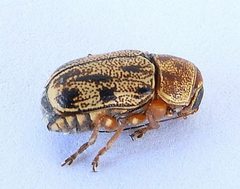
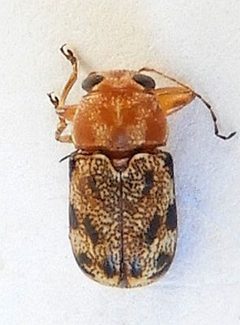
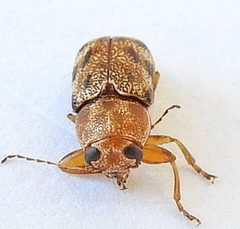
Pachybrachis nobilis is a of case-bearing leaf beetle in the Chrysomelidae, first described by Fall in 1915. It belongs to a of small, often colorful beetles commonly known as scriptured leaf beetles. The species is recorded from North America, though specific details regarding its and remain limited in the available literature.
Pronunciation
How to pronounce Pachybrachis nobilis: //ˌpækɪˈbrækɪs ˈnoʊbɪlɪs//
These audio files are automatically generated. While they are not always 100% accurate, they are a good starting point.
Identification
Members of the Pachybrachis are distinguished from other Chrysomelidae by their small size, rounded-oval body shape, and often striking color patterns featuring contrasting pale markings on dark backgrounds. Specific diagnostic features for P. nobilis are not documented in the available sources. Accurate identification to level typically requires examination of male genitalia and comparison with .
Images
Distribution
North America. Specific range details beyond this continental-level occurrence are not documented in available sources.
Similar Taxa
- Other Pachybrachis speciesThe Pachybrachis contains numerous that share similar small size, rounded body form, and patterned coloration. Differentiation often requires detailed morphological examination including genitalia dissection.
More Details
Taxonomic note
The epithet 'nobilis' has been used in multiple unrelated , including Coregonus nobilis (a whitefish from Lake Lucerne, Switzerland), Cassida nobilis (the Noble Tortoise Beetle, a European chrysomelid), and Steatoda nobilis (the Noble False Widow spider). These represent independent nomenclatural acts with no biological relationship to Pachybrachis nobilis.
Sources and further reading
- BugGuide
- Wikipedia
- GBIF taxonomy match
- iNaturalist taxon
- Where is the Noble False Widow settling next? | Blog
- Seven new species of whitefish described in Central Switzerland
- Northern Ireland, invertebrate finds in review 2023 - Buglife Blog - Buglife
- Lanternflies: vandals in vineyards, beauties in Borneo — Bug of the Week