
Pachybrachis
Chevrolat in Dejean, 1836
Scriptured Leaf Beetles
Species Guides
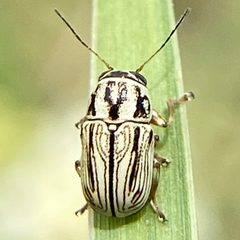
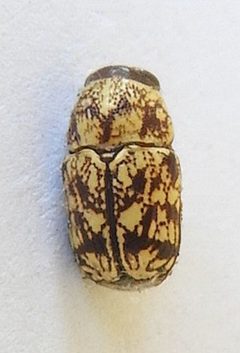
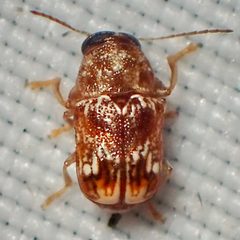
107Pachybrachis is a large of leaf beetles in the Chrysomelidae, with at least 220 described . Members are commonly known as scriptured leaf beetles due to distinctive surface patterns. The genus belongs to the Camptosomata, a group of casebearing leaf beetles where larvae construct and carry protective cases. Pachybrachis species are primarily found in North America.
Pronunciation
How to pronounce Pachybrachis: //ˌpækɪˈbreɪkɪs//
These audio files are automatically generated. While they are not always 100% accurate, they are a good starting point.
Identification
Distinguished from other Cryptocephalini by the combination of: (1) distinctive 'scriptured' elytral surface with fine punctate or sculpturing, (2) body form typically more rounded than elongate, and (3) male genitalia structure (requires dissection). Similar to Cryptocephalus but generally with more pronounced surface sculpturing. -level identification requires examination of genitalia and often association data. From the field report: two species collected together at lights in southeastern Arizona mesquite/acacia scrub, suggesting sympatry is common.
Images
Habitat
Diverse across North America including mesquite-acacia scrub, oak-juniper woodland, oak forests, and riparian corridors. frequently associated with woody vegetation, particularly oaks (Quercus spp.), acacias (Senegalia, Vachellia), mesquite (Prosopis), and other leguminous trees and shrubs. Larval habitat less documented but likely associated with leaf litter or soil given casebearing habit of Camptosomata.
Distribution
Primarily Nearctic, with records from Canada (including Ontario), the United States, and Mexico. Distribution records include Colorado, Norway (likely erroneous or introduced), Sweden (likely erroneous or introduced), Vermont, and widespread US localities. The shows highest diversity in southwestern United States and Mexico.
Seasonality
active primarily in summer months; field observations from July in Texas, New Mexico, and Arizona. Activity patterns likely vary by and elevation, with some species possibly active in spring at lower elevations and extending into late summer at higher elevations.
Life Cycle
As members of Camptosomata, larvae construct portable cases from fecal material and shed skins, carrying them while feeding. Larvae likely feed on leaf tissue or detritus; specific plants vary by . occurs within the case. Detailed data specific to Pachybrachis species is limited in available sources.
Behavior
have been observed at ultraviolet and mercury-vapor light sheets, indicating activity or attraction to light. Beating from woody vegetation (oaks, acacias, mesquite) is an effective collection method. The shows affinity for beating from living and dead branches of trees.
Ecological Role
Herbivores as larvae and ; specific ecological impacts undocumented but likely contribute to nutrient cycling through leaf feeding. Casebearing larvae may provide microhabitat for other organisms. Adults serve as prey for .
Human Relevance
No documented economic importance; not known as agricultural pests. Of interest to coleopterists due to taxonomic diversity and identification challenges. Collected for scientific study and vouchering.
Similar Taxa
- CryptocephalusSimilar size, shape, and (Cryptocephalinae); distinguished by generally less pronounced elytral sculpturing and different male genitalia structure
- BassareusAnother of Pachybrachini with similar body form; separation requires examination of tarsal structure and male genitalia
More Details
Taxonomic notes
The Pachybrachis was historically placed in tribe Cryptocephalini but is now recognized in its own tribe Pachybrachini. identification is challenging and often requires male genitalia examination; the genus is in need of modern taxonomic revision.
Collection methods
Field observations indicate are readily collected by beating living and dead branches of trees (especially oaks, acacias, and mesquite) and by ultraviolet and mercury-vapor lighting in appropriate . Two were collected together at a single light station in mesquite/acacia scrub in southeastern Arizona.