
Bassareus
Haldeman, 1849
case-bearing leaf beetles
Species Guides
8Bassareus is a of case-bearing leaf beetles in the Chrysomelidae, first described by Haldeman in 1849. The genus contains approximately eight described . These beetles are characterized by their habit of constructing protective cases from fecal material and plant debris. Bassareus is part of the diverse leaf beetle fauna of North America, with documented records from the United States including Vermont.
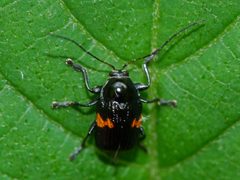
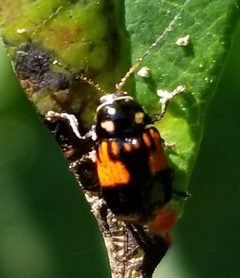
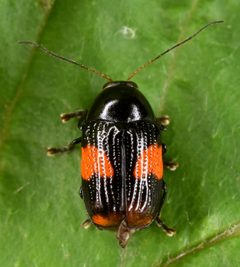
Pronunciation
How to pronounce Bassareus: //bæsəˈriːəs//
These audio files are automatically generated. While they are not always 100% accurate, they are a good starting point.
Identification
Bassareus can be distinguished from other Chrysomelidae by their case-bearing , constructing portable protective coverings from fecal material and plant debris. The is placed within the case-bearing leaf beetle group, though specific diagnostic morphological features for separating Bassareus from related genera are not well documented in available sources.
Images
Distribution
United States, including Vermont. The is part of the North American leaf beetle fauna.
Behavior
Case-bearing: larvae and construct and carry protective cases made from fecal material and plant debris. This provides camouflage and physical protection from and environmental conditions.
Similar Taxa
- CryptocephalusAlso case-bearing leaf beetles in Chrysomelidae; Bassareus is distinguished by different case construction details and , though specific differences require examination.
More Details
Taxonomic Note
The name Bassareus has been used in two entirely different contexts: (1) as a of leaf beetles (Chrysomelidae) established by Haldeman in 1849, and (2) as a genus of leafhoppers (Cicadellidae) established by Linnavuori in 1979, which is now treated as a synonym of Neobassareus. The genus Bassareus Haldeman, 1849 remains valid and accepted.