
Xylosteini
Reitter
Genus Guides
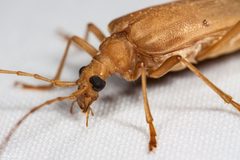
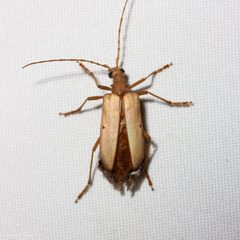
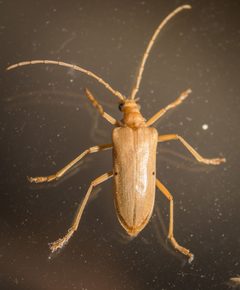
2Tribe Xylosteini is a small, primitive group of longhorn beetles (Cerambycidae: Lepturinae) containing rare forest-dwelling . In Türkiye, the tribe comprises four species across two : Leptorhabdium (exclusively deciduous-feeding) and Xylosteus (feeding on both deciduous and coniferous trees). These beetles are considered forest pests of ecological and economic significance due to their wood-boring larval habits.
Pronunciation
How to pronounce Xylosteini: //zaɪləˈstiːnaɪ//
These audio files are automatically generated. While they are not always 100% accurate, they are a good starting point.
Images
Habitat
Forest containing both deciduous and coniferous trees. Members occupy natural forest with established tree .
Distribution
Türkiye: Leptorhabdium caucasicum occurs in North-Eastern Anatolia; Xylosteus spinolae in European Türkiye (Thrace); Xylosteus kadleci in North-Western Anatolia; Xylosteus caucasicola in North-Eastern Anatolia. Specimens documented from Artvin, Bolu, Gümüşhane, Kırklareli, Samsun, and Sivas provinces.
Diet
Wood-feeding (). Larvae feed internally on plant tissues. Each has been documented on at least 5-6 host plant species.
Host Associations
- Abies nordmanniana - Pinaceae; new record for Xylosteus kadleci
- Fagus orientalis - Fagaceae; new record for Xylosteus kadleci
- Pinus species - coniferous
- Quercus species - deciduous
Behavior
Feeding preferences differ between : Leptorhabdium feed exclusively on deciduous trees, while Xylosteus species utilize both deciduous and coniferous trees.
Ecological Role
Forest pests with ecological and economic importance in natural forest . Larval wood-boring activity affects tree health and forest dynamics.
Human Relevance
Considered forest pests due to larval feeding damage to commercially and ecologically important tree .