
Atrypanius
Bates, 1864
Species Guides
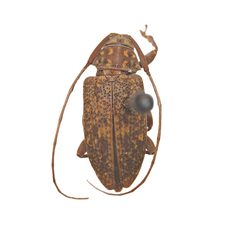
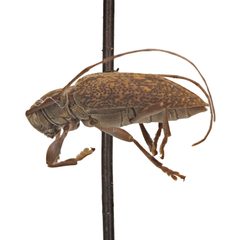
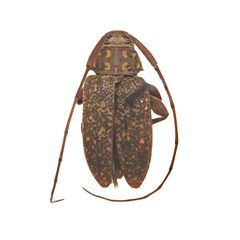
1Atrypanius is a of longhorn beetles (Cerambycidae: Lamiinae) established by Henry Walter Bates in 1864, comprising approximately 30 described distributed across the Neotropical region. The genus belongs to the tribe Acanthocinini and contains primarily species whose larvae develop in woody stems. Atrypanius lignarius has been documented as an economically significant pest in commercial timber plantations, particularly on Paulownia fortunei in Brazil.
Pronunciation
How to pronounce Atrypanius: //ˌæ.trɪˈpeɪ.ni.əs//
These audio files are automatically generated. While they are not always 100% accurate, they are a good starting point.
Identification
Members of Atrypanius are small to medium-sized cerambycids within the Lamiinae. -level identification requires examination of antennal proportions, elytral coloration patterns, and male genitalia. The can be distinguished from related Acanthocinini genera by combinations of characters including pronotal shape and elytral , though precise diagnostic features vary among species.
Images
Habitat
Native include Atlantic Forest and Cerrado biomes in South America. Atrypanius lignarius has been observed in commercial plantations of Paulownia fortunei var. mikado, with concentrated near forest fragments.
Distribution
Primarily Neotropical: Brazil (eight states including Bahia, Espírito Santo, Minas Gerais, Paraná, Rio de Janeiro, Rio Grande do Sul, Santa Catarina, São Paulo), Paraguay, and Argentina. GBIF records also indicate presence in Colombia.
Seasonality
of Atrypanius lignarius are more abundant during spring and summer in Paraná state, Brazil.
Diet
. Larvae of Atrypanius lignarius develop in phloem and wood of stems, with documented feeding on Paulownia fortunei var. mikado, Inga sp., and multiple other woody .
Host Associations
- Paulownia fortunei var. mikado - pest commercial plantation , first record
- Inga sp. - larval pods and seeds
- Holocalyx glaziovii -
- Persea americana -
- Pinus elliottii -
- Theobroma cacao -
Life Cycle
In Atrypanius lignarius: larvae excavate galleries between bark and wood in stems up to 2 cm diameter; occurs within galleries; emerge from logs. Development period may be extended on south-facing tree surfaces due to reduced solar exposure.
Behavior
Larvae of Atrypanius lignarius create galleries with small circular or oval holes, occasional interruptions, and accumulated sawdust. bore into phloem for oviposition. hole distribution may be influenced by wind direction. Adults show preference for oviposition on south-facing tree surfaces where solar radiation is lower.
Ecological Role
Native component of cerambycid biodiversity in Atlantic Forest and Cerrado biomes. Atrypanius lignarius functions as a pest in commercial timber plantations, causing stem damage that fosters fungal proliferation and can lead to plant death.
Human Relevance
Atrypanius lignarius is an emerging pest of economic concern in Paulownia timber plantations in Brazil, causing yellowing, premature leaf drop, wilting, and plant mortality. rates of 3% have been recorded in affected plantations. The was previously known only from native forest .
Similar Taxa
- Other Acanthocinini generaSimilar size range and general Lamiinae ; distinguished by pronotal and elytral character combinations requiring detailed examination
- LeptostylusOverlapping distribution and ; Atrypanius generally smaller with different antennal proportions
More Details
Taxonomic note
The contains approximately 30 described , with several new species described since 2015 indicating active taxonomic revision.
Research priority
Most detailed biological information available only for A. lignarius; other require study to determine whether pest potential extends throughout .