
Nathrius brevipennis
(Mulsant, 1839)
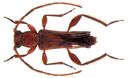
Nathrius brevipennis is a small longhorn beetle (Cerambycidae) native to the Palearctic region that has become through human-mediated transport in timber and wood packaging. measure 4–7 mm in length. The is on dead twigs of broadleaved trees, with documented spanning at least 15 including Alnus, Rosa, Fraxinus, Corylus, Ficus, Castanea, Salix, Juglans, Quercus, Morus, Cornus, Ceratonia, Pistacia, Ziziphus, Robinia, and Ostrya. Its spread has led to first records in Australia and other regions outside its native range.
Pronunciation
How to pronounce Nathrius brevipennis: /ˈnæθɹiəs ˌbɹɛvɪˈpɛnɪs/
These audio files are automatically generated. While they are not always 100% accurate, they are a good starting point.
Identification
Small size (4–7 mm) distinguishes this from most other cerambycids. Diagnostic characters include the short relative to body length (implied by the specific epithet 'brevipennis,' meaning short-winged) and general consistent with the tribe Psebiini. For precise identification, examination of antennal structure, pronotal shape, and genitalia is required; the original description by Mulsant (1839) and subsequent taxonomic revisions provide detailed diagnostic features.
Images
Habitat
Associated with dead twigs and woody debris of broadleaved trees in both natural and anthropogenic environments. Thrives in timber, wood packaging, and stored wood products, which has facilitated its global spread.
Distribution
Native to the Palearctic region (Europe and northern Asia). Now due to commerce in timber and wood packaging. Documented from North America, South America (São Miguel), Australia (first reported in 2023), and Europe.
Host Associations
- Alnus - feeds on dead twigsbroadleaved
- Rosa - feeds on dead twigsbroadleaved
- Fraxinus - feeds on dead twigsbroadleaved
- Corylus - feeds on dead twigsbroadleaved
- Ficus - feeds on dead twigsbroadleaved
- Castanea - feeds on dead twigsbroadleaved
- Salix - feeds on dead twigsbroadleaved
- Juglans - feeds on dead twigsbroadleaved
- Quercus - feeds on dead twigsbroadleaved
- Morus - feeds on dead twigsbroadleaved
- Cornus - feeds on dead twigsbroadleaved
- Ceratonia - feeds on dead twigsbroadleaved
- Pistacia - feeds on dead twigsbroadleaved
- Ziziphus - feeds on dead twigsbroadleaved
- Robinia - feeds on dead twigsbroadleaved
- Ostrya - feeds on dead twigsbroadleaved
Ecological Role
Decomposer of dead woody material; contributes to nutrient cycling in forest . As an transported via timber trade, it represents a potential risk to native wood-inhabiting through competition or alteration, though specific impacts remain undocumented.
Human Relevance
Significant as a hitchhiker in international timber and wood packaging trade. Its spread via commerce has led to establishment outside its native range, including recent detection in Australia. May be of concern to wood product industries and services due to potential phytosanitary implications.
Similar Taxa
- Other Nathrius speciesSame , similar ; requires examination of specific diagnostic characters for differentiation
- Small Cerambycinae in tribe PsebiiniSimilar size range and general habitus; precise identification relies on detailed morphological examination
Sources and further reading
- BugGuide
- Wikipedia
- GBIF taxonomy match
- iNaturalist taxon
- NCBI Taxonomy
- Catalogue of Life
- Bembicid Holdings | Entomology Research Museum
- Minstrels of the meadow: Short-winged meadow katydid, Conocephalus brevipennis — Bug of the Week
- Disteniidae | Beetles In The Bush
- Archive — Bug of the Week
- insects | Beetles In The Bush | Page 10
- First Report of Nathrius brevipennis (Mulsant) (Coleoptera: Cerambycidae: Cerambycinae) in Australia, with Notes on Diagnostic Characters, Biology and Habits, Distribution, and Hosts