
Hyboderini
Genus Guides
4Hyboderini is a tribe of longhorn beetles within the Cerambycinae. The tribe contains five : Hybodera, Lampropterus, Megobrium, Pachymerola, and Pseudopilema. Most were described in the late 19th century, with some Pachymerola species described more recently. The tribe is primarily distributed in North America, with species records concentrated in the United States and Mexico.
Pronunciation
How to pronounce Hyboderini: /haɪˈbɒdəriˌnaɪ/
These audio files are automatically generated. While they are not always 100% accurate, they are a good starting point.
Identification
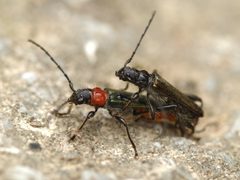
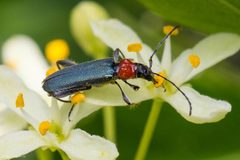
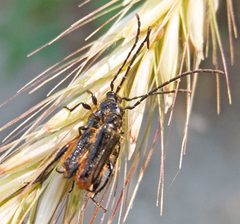
Members of Hyboderini are distinguished from related cerambycine tribes by combinations of antennal, pronotal, and elytral characters. Hybodera are small, slender beetles with tuberculate or debilitated forms. Lampropterus species exhibit metallic blue or green coloration on the with contrasting pronota. Pachymerola species are generally more robust with distinctive pronotal and elytral patterns. Detailed identification requires examination of male genitalia and antennal structure.
Images
Distribution
Primarily Nearctic. Records indicate distribution across the United States and Mexico. Hybodera occur in the western and central United States. Lampropterus species are recorded from the southwestern United States and adjacent Mexico. Megobrium edwardsi is known from California. Pachymerola species range from the southwestern United States through Mexico, with some species extending into Central America. Pseudopilema hoppingi occurs in western North America.
Similar Taxa
- CerambyciniBoth tribes belong to Cerambycinae and share general longhorn beetle , but Cerambycini typically contains larger with different antennal proportions and lacks the distinctive pronotal tuberculation seen in some Hyboderini .
- CallidiiniSimilar body size and cryptic coloration in some , but Callidiini species generally have different antennal insertions and elytral patterns that distinguish them from Hyboderini.
More Details
Taxonomic History
The tribe was established to accommodate several previously placed in other cerambycine tribes based on shared morphological characters. The genus Pachymerola has received the most recent taxonomic attention, with four of its five described between 1987 and 2005.
Species Richness
The tribe contains approximately 11 described , with Pachymerola being the most species-rich (5 species). Several genera are or contain only two species, suggesting either genuine rarity or undercollecting due to cryptic habits.