Brothylus conspersus
LeConte, 1859
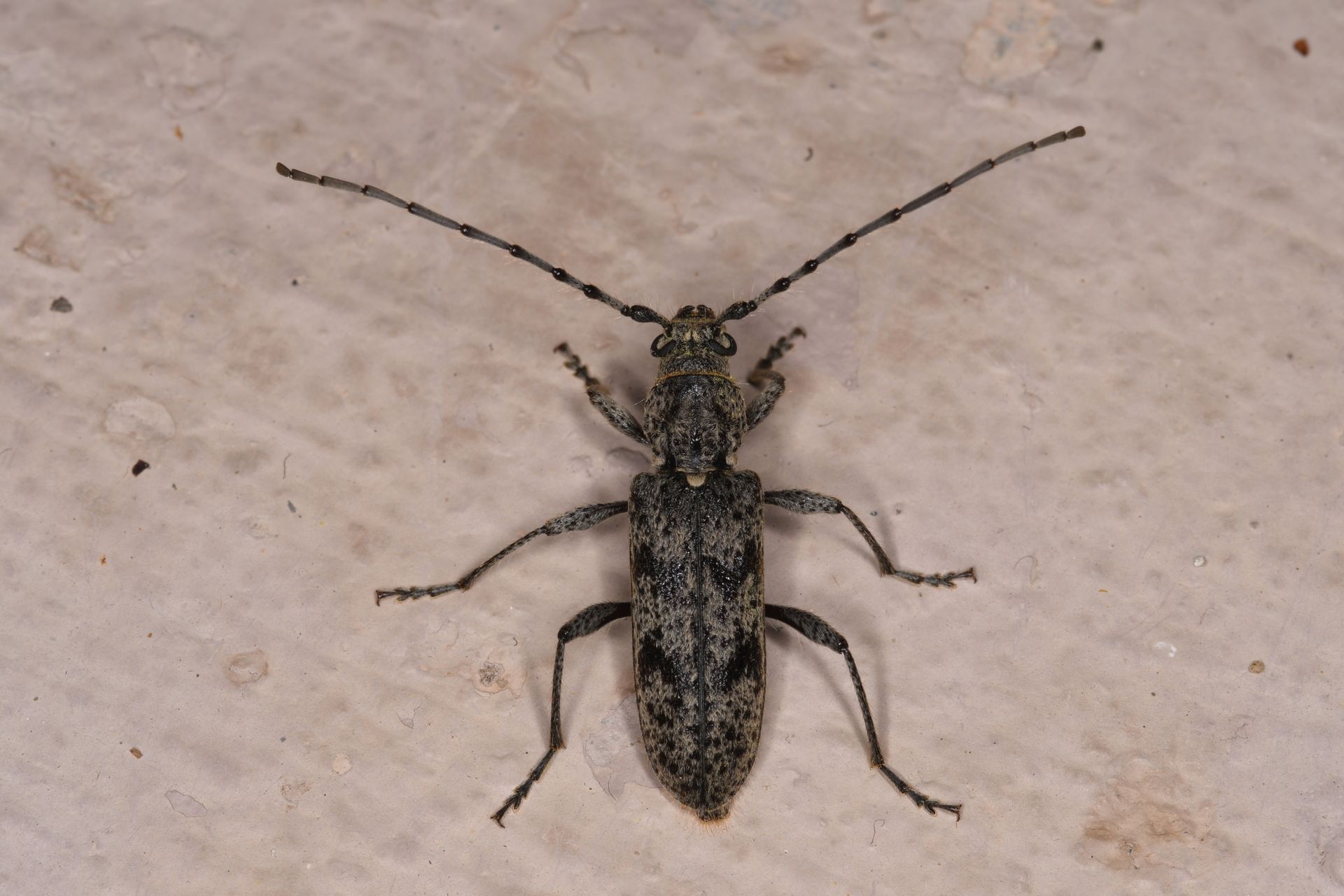
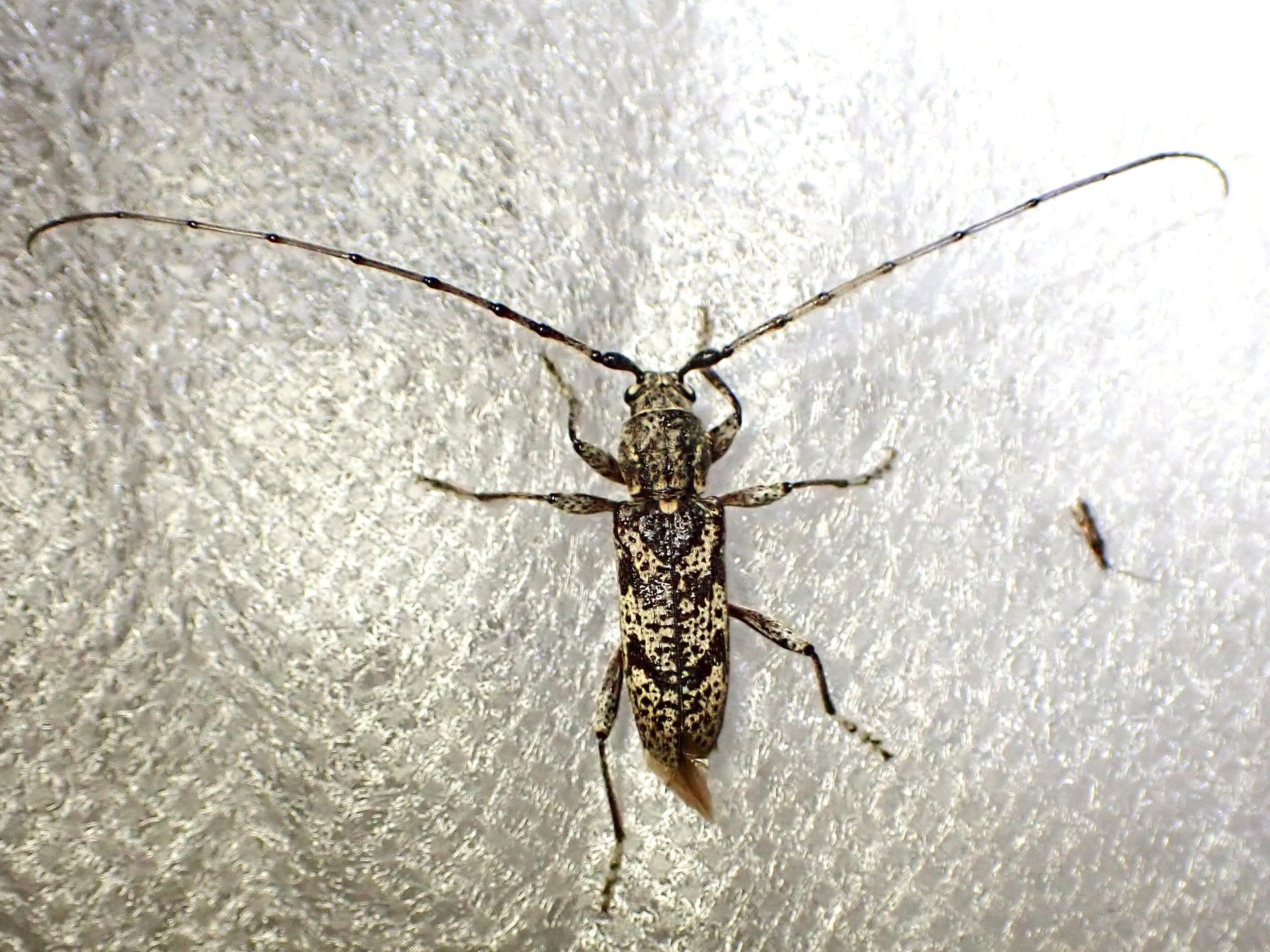
Brothylus conspersus is a of longhorn beetle in the Cerambycidae, described by John Lawrence LeConte in 1859. It belongs to the Cerambycinae and tribe Hesperophanini. The species is recorded from North America, with iNaturalist documenting 130 observations. Beyond basic taxonomic placement and authorship, specific biological details remain poorly documented in accessible literature.
Pronunciation
How to pronounce Brothylus conspersus: /ˈbroʊθɪləs kənˈspɜːrsəs/
These audio files are automatically generated. While they are not always 100% accurate, they are a good starting point.
Identification
As a member of Hesperophanini, Brothylus conspersus likely exhibits the tribe's characteristic elongated body form and long typical of cerambycine longhorn beetles. The specific epithet "conspersus" (meaning sprinkled or scattered) may refer to a speckled or spotted color pattern, though this interpretation is speculative without direct examination of type material. Definitive identification requires comparison with related Brothylus and reference to LeConte's original description.
Images
Distribution
Recorded from North America, specifically the United States. iNaturalist observations suggest contemporary presence, though precise state-level distribution is not specified in available sources.
Misconceptions
The name "conspersus" has been applied to unrelated (Euschistus conspersus, the consperse stink bug), leading to potential confusion between this cerambycid beetle and pentatomid true bugs. These belong to entirely different orders (Coleoptera vs. Hemiptera) and share only a coincidentally similar specific epithet.
More Details
Taxonomic Note
The Brothylus is classified within Hesperophanini, a tribe of Cerambycinae characterized by generally slender, elongate beetles. The tribe has undergone taxonomic revision, and boundaries within Brothylus may require modern systematic treatment.
Nomenclatural History
Described by John Lawrence LeConte in 1859, one of the most prolific American coleopterists of the 19th century. LeConte described thousands of North American , and many of his cerambycid descriptions remain valid though sometimes transferred to different .