
Parelaphidion
Skiles, 1985
Species Guides
2Parelaphidion is a of longhorned beetles in the Cerambycidae, Cerambycinae, and tribe Elaphidiini. The genus was established by Skiles in 1985 and contains two recognized : Parelaphidion aspersum (Haldeman, 1847) and Parelaphidion incertum (Newman, 1840). Members of this genus have been documented in fermenting trap studies in the central United States, where they are attracted to both molasses/beer and red wine baits. The genus belongs to the diverse elaphidiine group, which is characterized by larvae that typically develop in dead or decaying wood.
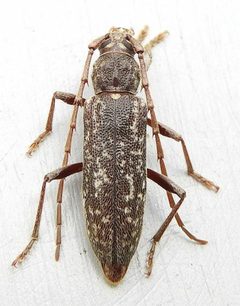
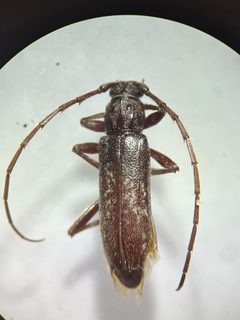
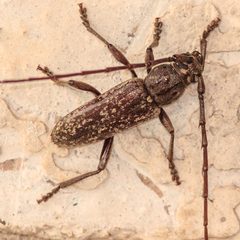
Pronunciation
How to pronounce Parelaphidion: /ˌpærəˌlæfɪˈdiɒn/
These audio files are automatically generated. While they are not always 100% accurate, they are a good starting point.
Identification
Parelaphidion can be distinguished from other elaphidiine by specific morphological features, though detailed diagnostic characters require examination of and specialized taxonomic literature. The genus is placed in the tribe Elaphidiini based on shared characteristics with related genera, including antennal structure and elytral patterns.
Images
Habitat
Based on collection records from Missouri and surrounding regions, Parelaphidion occur in dry, post-oak woodland and at the interface between woodland and glade . They have been collected in areas with dolomite glades and sandy substrates. The specific microhabitat requirements for larval development remain poorly documented.
Distribution
The Parelaphidion occurs in North America. Collection records indicate presence in the central United States, including Missouri, Kansas, Oklahoma, and Texas. The two constituent likely have somewhat different geographic ranges, though precise distribution boundaries require further study.
Seasonality
have been collected from early June through late August in Missouri, with peak attraction to fermenting traps occurring during summer months. Specific periods may vary by and locality.
Life Cycle
As with other members of the tribe Elaphidiini, larvae presumably develop in dead or decaying wood. The specific plants for Parelaphidion have not been definitively documented. are attracted to fermenting baits, suggesting they may feed on fermenting plant exudates or other sugar-rich substances.
Behavior
are or and strongly attracted to ultraviolet light sources and fermenting traps. In bait trap studies, Parelaphidion aspersum showed attraction to both molasses/beer and red wine baits, with greater numbers captured in molasses/beer mixtures. Males and females have been observed at baits, though sex ratios and specific behavioral patterns remain undocumented.
Ecological Role
As wood-boring beetles, larvae likely contribute to decomposition of dead wood and nutrient cycling in forest . Their specific ecological functions and interactions with other organisms have not been studied.
Human Relevance
Parelaphidion have no documented economic importance as pests or beneficial organisms. They are of interest to coleopterists and naturalists studying longhorned beetle diversity. The has been documented in ecological studies using fermenting traps as a survey method.
Similar Taxa
- ElaphidionBoth belong to the tribe Elaphidiini and share general body form and antennal characteristics. Parelaphidion was separated from Elaphidion based on specific morphological differences established by Skiles (1985), including details of the pronotum and elytral .
- AnelaphusAnother elaphidiine with similar overall appearance and preferences. Anelaphus are also attracted to fermenting baits and lights, requiring careful examination of antennal proportions and pronotal shape for separation.
More Details
Taxonomic History
The Parelaphidion was established by Skiles in 1985 to accommodate previously placed in other elaphidiine genera. The type species is Parelaphidion incertum (Newman, 1840), originally described as Elaphidion incertum. The second species, Parelaphidion aspersum (Haldeman, 1847), was originally described as Elaphidion aspersum.
Collection Methods
Parelaphidion are most readily collected using fermenting traps or ultraviolet light sources. In a 2015 study in Missouri, Parelaphidion aspersum was captured in moderate numbers (26 specimens total) with 18 in molasses/beer traps and 8 in red wine traps, indicating broad bait acceptance.