
Macrelmis texana
(Schaeffer, 1911)
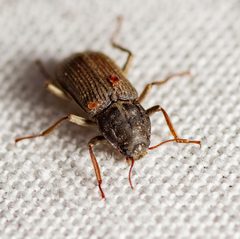
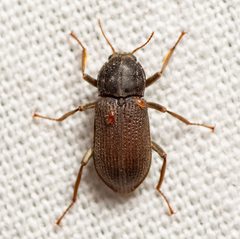
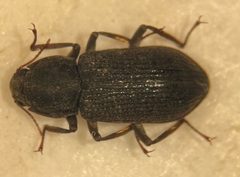
Macrelmis texana is a of riffle beetle in the Elmidae, described by Schaeffer in 1911. It belongs to a of aquatic beetles adapted to living in fast-flowing water. The species has been recorded from both Central America and North America.
Pronunciation
How to pronounce Macrelmis texana: /məˈkrɛlmɪs tɛkˈsɑːnə/
These audio files are automatically generated. While they are not always 100% accurate, they are a good starting point.
Images
Habitat
Riffle beetles in the Elmidae are strictly aquatic and typically inhabit fast-flowing, well-oxygenated streams and rivers. They are commonly found clinging to submerged rocks and woody debris in riffle zones.
Distribution
Central America and North America. Specific country records include Mexico and the United States.
Life Cycle
Riffle beetles undergo complete with , larval, pupal, and stages. Larvae are aquatic and typically require well-oxygenated water; adults are also aquatic and respire through a (air film held by hydrofuge hairs) that allows underwater.
Behavior
and larvae cling to submerged substrates in flowing water using well-developed claws. They are poor swimmers and rely on clinging to maintain position in currents.
Ecological Role
Riffle beetles contribute to nutrient cycling in stream through their feeding activities. As members of the or grazer functional groups, they process organic matter and serve as prey for larger aquatic organisms.
Human Relevance
Riffle beetles including Macrelmis are used as bioindicators of water quality due to their sensitivity to pollution and requirement for well-oxygenated, unpolluted water. They have no direct economic importance to humans.
More Details
Taxonomic note
Macrelmis texana was described by Schaeffer in 1911. The Macrelmis contains multiple distributed across the Americas, with recognizable by their elongate body form and aquatic adaptations.