
Haplostethini
LeConte, 1861
metallic wood-boring beetles
Genus Guides
2Haplostethini is a tribe of jewel beetles ( Buprestidae) within the Polycestinae. The tribe comprises at least 10 and more than 60 described . Members are small to moderately sized metallic wood-boring beetles distributed across multiple continents. The genus Mastogenius is the most well-known in North America, with species occurring in the southwestern United States and Mexico. The tribe was established by LeConte in 1861.
Pronunciation
How to pronounce Haplostethini: /hæpləʊˈstɛθɪnaɪ/
These audio files are automatically generated. While they are not always 100% accurate, they are a good starting point.
Identification
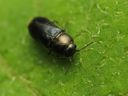
Haplostethini can be distinguished from other tribes in Polycestinae by combinations of antennal structure, prosternal process shape, and elytral patterns. The Mastogenius, the primary North American representative, contains small beetles (typically 5–10 mm) with brilliant metallic coloration ranging from coppery to green or blue. in the related genus Ankareus and other Old World genera share similar compact body forms and metallic luster. Precise identification to genus and species requires examination of male genitalia and detailed elytral punctation patterns.
Images
Distribution
Haplostethini has a broad geographic distribution spanning multiple biogeographic regions. The Mastogenius occurs in North America (southwestern United States and Mexico). Other genera are distributed in the Afrotropical region (Namibogenius, Neomastogenius), Indomalayan region (Siamastogenius, Pseudotrigonogya), and South America (Ankareus, Exaesthetus, Helferella, Micrasta, Trigonogya). The tribe is notably absent from Australia and most of the Palearctic region.
Similar Taxa
- AcmaeoderiniBoth tribes occur in Polycestinae and contain small metallic beetles; Haplostethini differs in antennal structure and prosternal , and Acmaeoderini contains the speciose Acmaeodera with more elongate body form and distinct elytral fasciae patterns.
- PolycestiniAnother tribe in Polycestinae with metallic ; Polycestini typically show more pronounced in tarsal structure and different antennal serration patterns than Haplostethini.