
Anthrenini
Gistel, 1848
Genus Guides
12- Anthrenus(Carpet Beetles)
- Caccoleptus
- Cryptorhopalum
- Ctesias
- Dearthrus(carpet beetles)
- Megatoma
- Orphinus
- Phradonoma
- Pseudohadrotoma
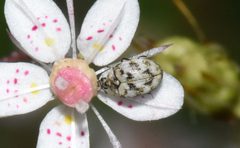
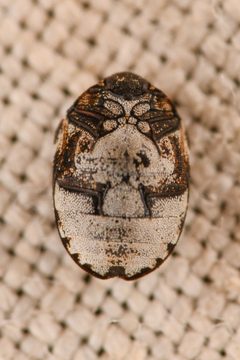
Anthrenini is a tribe of carpet beetles within the Dermestidae, Megatominae. The tribe contains at least 100 described , primarily in the Anthrenus, with one additional genus Dermeanthrenus. Members are small beetles known for feeding on keratinous materials including wool, fur, feathers, and dried animal products. Several species are significant household and museum pests worldwide.
Pronunciation
How to pronounce Anthrenini: /ænˈθriːnɪnaɪ/
These audio files are automatically generated. While they are not always 100% accurate, they are a good starting point.
Identification
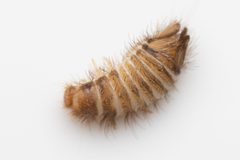
Anthrenini can be distinguished from related dermestid tribes by morphological characters of the mature larvae, which have been subject to comparative taxonomic study. in the Anthrenus typically display patterned with that produce coloration ranging from mottled brown to distinct patterns of white, black, and orange bands. The tribe is placed in Megatominae based on molecular phylogenetic analysis; previous morphological characters used to delimit Megatominae genera show pervasive and are of limited taxonomic value without genomic data.
Images
Distribution
of Anthrenini occur worldwide. Anthrenus festivus is documented mainly from coastal regions of the western Mediterranean. Anthrenus mumbaiensis is known from Mumbai (Bombay), India. The tribe's distribution reflects the nature of many Anthrenus species associated with human habitation and stored products.
Diet
Larvae feed on keratinous materials including wool, fur, feathers, hair, and dried animal remains. This diet distinguishes them from other dermestid groups with different feeding specializations.
Ecological Role
As scavengers of keratinous materials, members contribute to decomposition of animal remains. Their feeding habits make them important in natural history collections as pests that damage specimens, and conversely useful in taxidermy for cleaning skeletal material.
Human Relevance
Several are significant household pests damaging woolens, carpets, clothing, and museum specimens. The group is also utilized in taxidermy and for cleaning bones. Control is important for protection of stored products and natural history collections.
Similar Taxa
- MegatominiAnother tribe in Megatominae; distinguished by different larval and feeding habits focused on stored products rather than primarily keratinous materials
- CtesiiniThird tribe in Megatominae; distinguished by phylogenomic analysis and morphological characters of larvae and
- Trogoderma (formerly in Trogoderma, now reclassified)Previously confused with Anthrenini due to convergent morphological evolution; molecular placed Trogoderma in different (Trogoparvinae) with distinct as grain pests rather than keratin feeders
More Details
Taxonomic revision
Molecular phylogenetic analysis of 477 dermestid using mitochondrial sequencing resolved Anthrenini as one of three tribes within Megatominae, alongside Ctesiini and Megatomini. This genomic approach was necessary because traditional morphological characters showed pervasive .
Genera composition
The tribe contains two : Anthrenus Geoffroy, 1762 (containing the majority of ) and Dermeanthrenus Háva, 2008, which is .
Sources and further reading
- BugGuide
- Wikipedia
- iNaturalist taxon
- Catalogue of Life
- New Analysis Refines Taxonomy of Dermestid Beetles
- Anthrenus (Anthrenus) mumbaiensis sp. nov. from India and a morphometric examination of Anthrenus (Anthrenus) festivus (Coleoptera, Dermestidae, Anthrenini)
- Comparative morphology and biology of mature larvae in the genusAnthrenus(Dermestidae: Megatominae: Anthrenini) with comparisons to related species