Lyctoxylon
Reitter, 1878
Species Guides
1- Lyctoxylon dentatum(Oriental Powderpost Beetle)
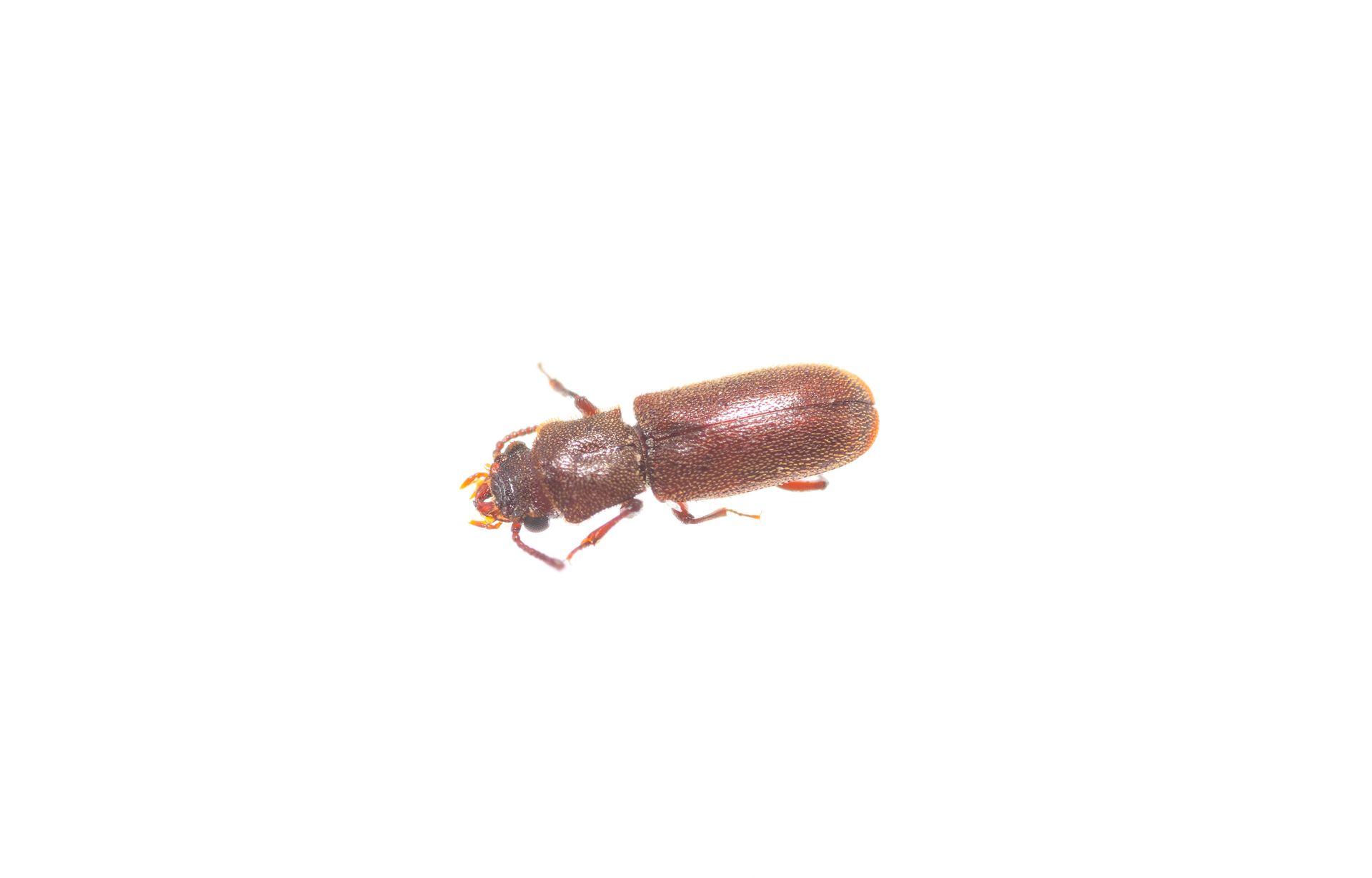
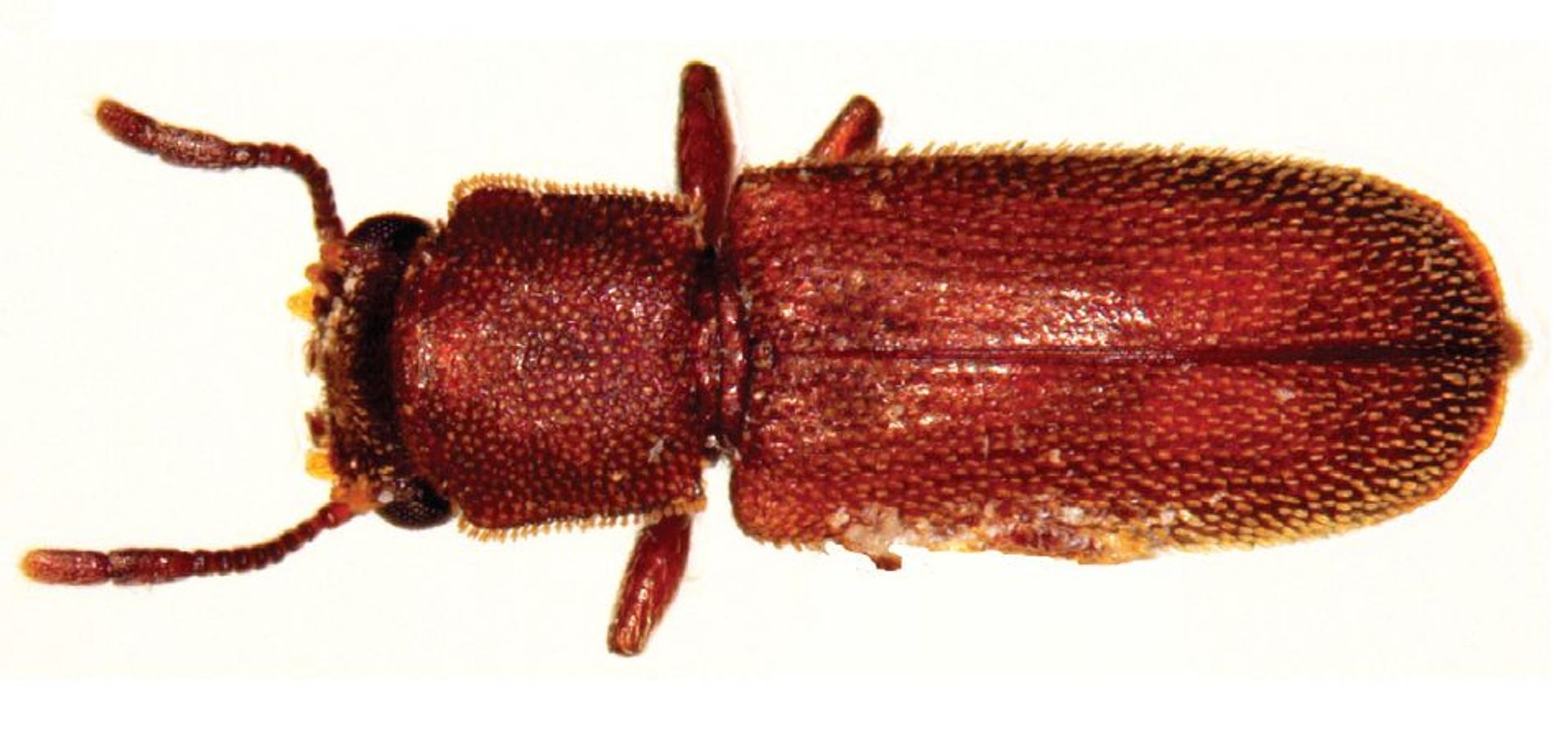
Lyctoxylon is a of powderpost beetles in the Bostrichidae, Lyctinae. The genus was established by Reitter in 1878. Members are woodboring beetles that infest dry, seasoned hardwoods. Lyctoxylon dentatum, the type , has been introduced to multiple continents beyond its native Asian range.
Pronunciation
How to pronounce Lyctoxylon: /lɪkˈtɒksɪlɒn/
These audio files are automatically generated. While they are not always 100% accurate, they are a good starting point.
Identification
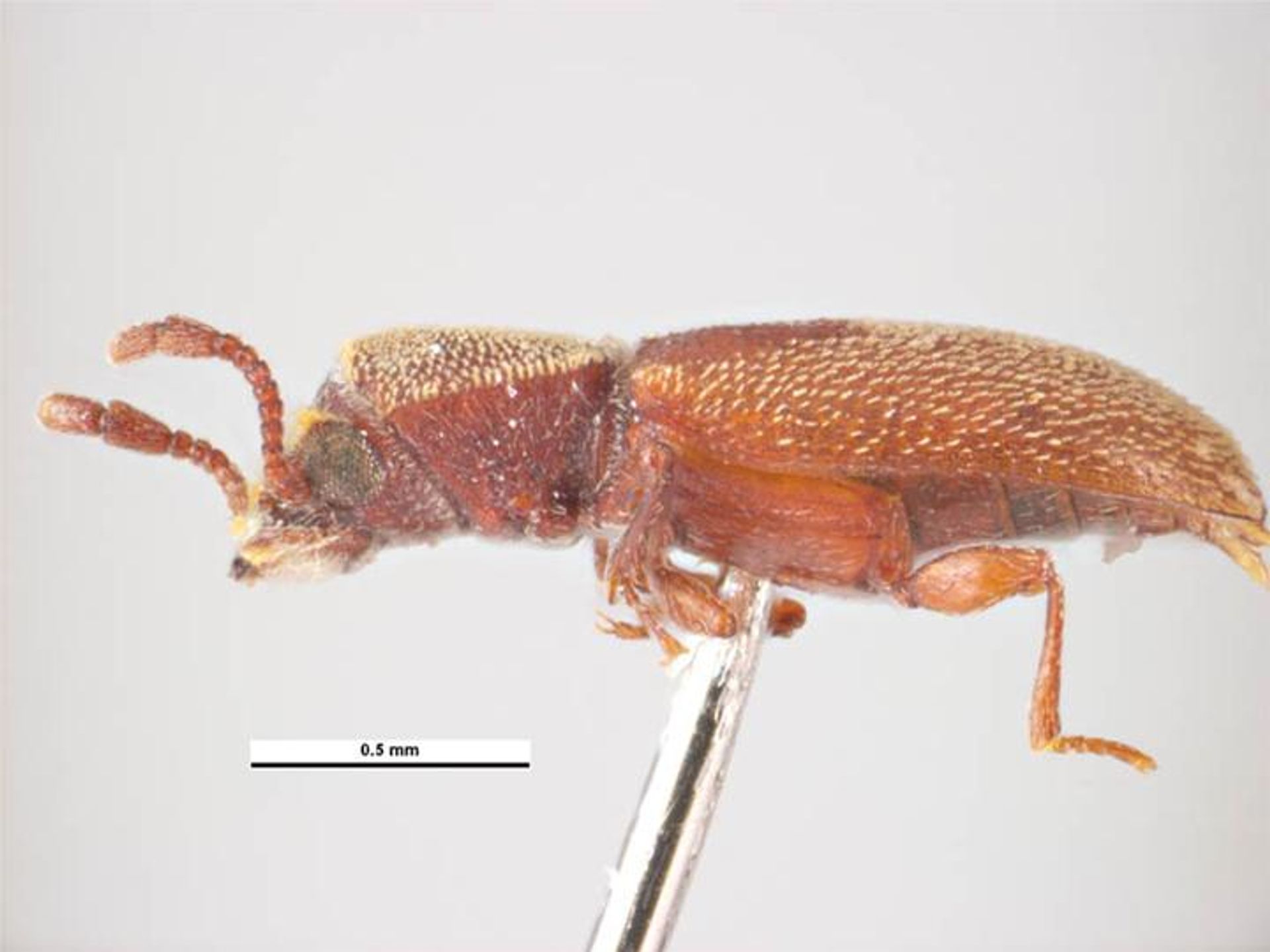
Distinguished from related powderpost beetle by antennal club structure and pronotal features. Lyctoxylon possess a distinct antennal club with three . The pronotum is characterized by a longitudinal groove or carina. These features separate it from the closely related genus Lyctus.
Images
Habitat
Associated with dry, seasoned hardwood timber and wood products. Infests processed wood rather than standing trees or decaying wood.
Distribution
Native to Asia. The has been introduced to Europe, East Africa, and North America through human commerce in wood products.
Diet
Larvae feed on starch-containing hardwoods. The is restricted to hardwoods (angiosperms) and does not infest conifers.
Life Cycle
Complete with , larva, pupa, and stages. Larvae are the primary feeding stage, tunneling through wood and reducing it to fine powdery . Development occurs entirely within the wood substrate.
Behavior
are short-lived and do not feed on wood. Mating and -laying occur on or near wood surfaces. Females deposit eggs in pores or cracks of susceptible timber. Larval tunnels run with the grain of the wood.
Ecological Role
Decomposer of dead hardwood in natural settings. In human-modified environments, acts as a pest of stored timber and finished wood products.
Human Relevance
Significant pest of seasoned hardwood timber, furniture, and structural wood. reduce wood to powder and compromise structural integrity. International trade has facilitated spread beyond native range. Control relies on proper seasoning, chemical treatment, or use of wood .
Similar Taxa
- LyctusBoth are powderpost beetle in Lyctinae, but Lyctoxylon is distinguished by three-segmented antennal club versus two-segmented in Lyctus, and presence of pronotal carina.
- MintheaAnother lyctine with overlapping habits, but differs in antennal structure and body proportions.
More Details
Taxonomic Note
The Lyctoxylon is sometimes treated as a subgenus of Lyctus in older literature, but is now generally accepted as distinct based on morphological characters.