Laccophilus vacaensis
Young, 1953
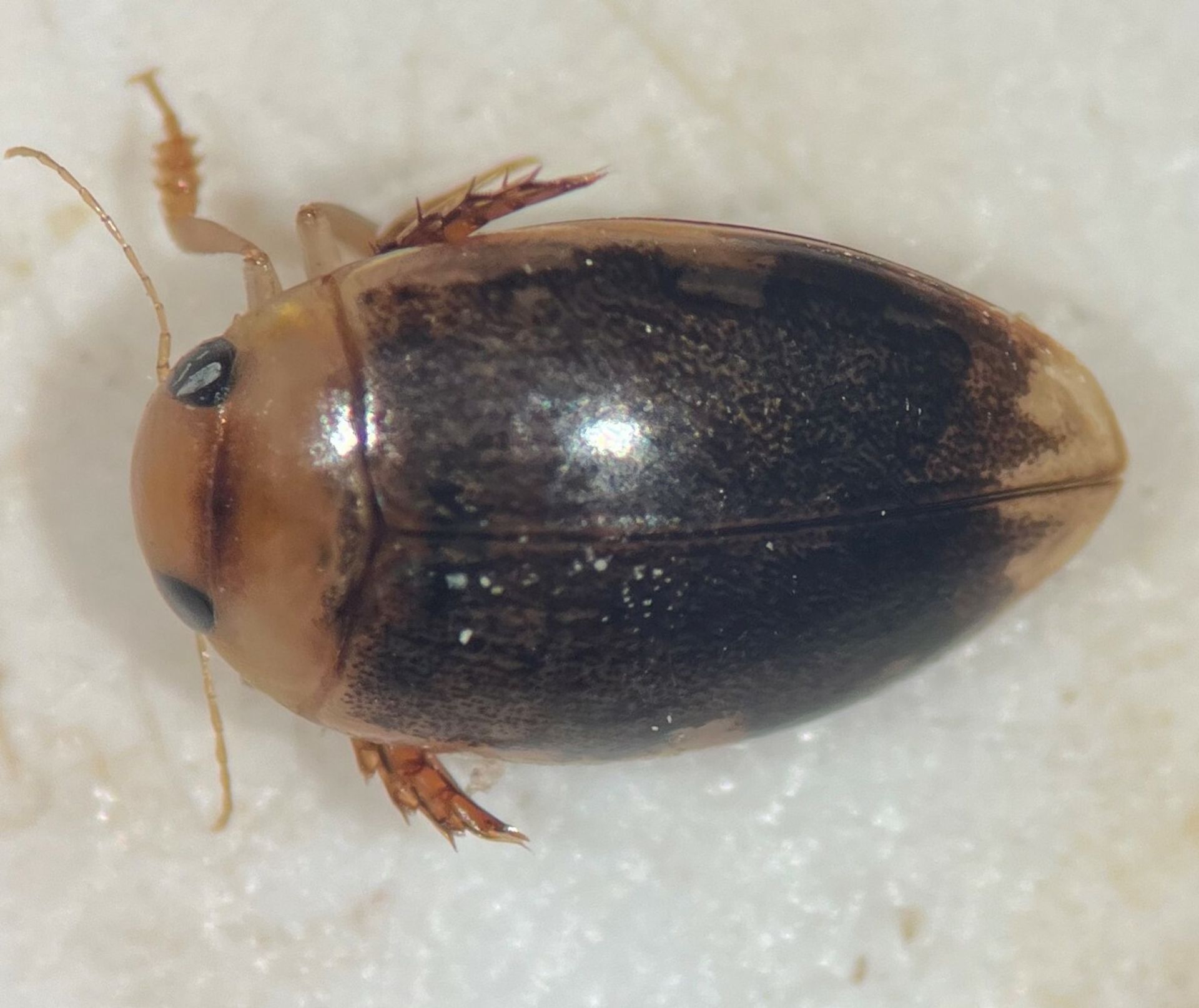
Laccophilus vacaensis is a predaceous diving beetle in the Dytiscidae, first described by Young in 1953. The is distributed across North America and the Neotropics. It is one of three recognized within the L. vacaensis complex, alongside L. v. chihuahuae and L. v. thermophilus.
Pronunciation
How to pronounce Laccophilus vacaensis: //læˈkɒfɪləs ˌvækəˈensɪs//
These audio files are automatically generated. While they are not always 100% accurate, they are a good starting point.
Identification
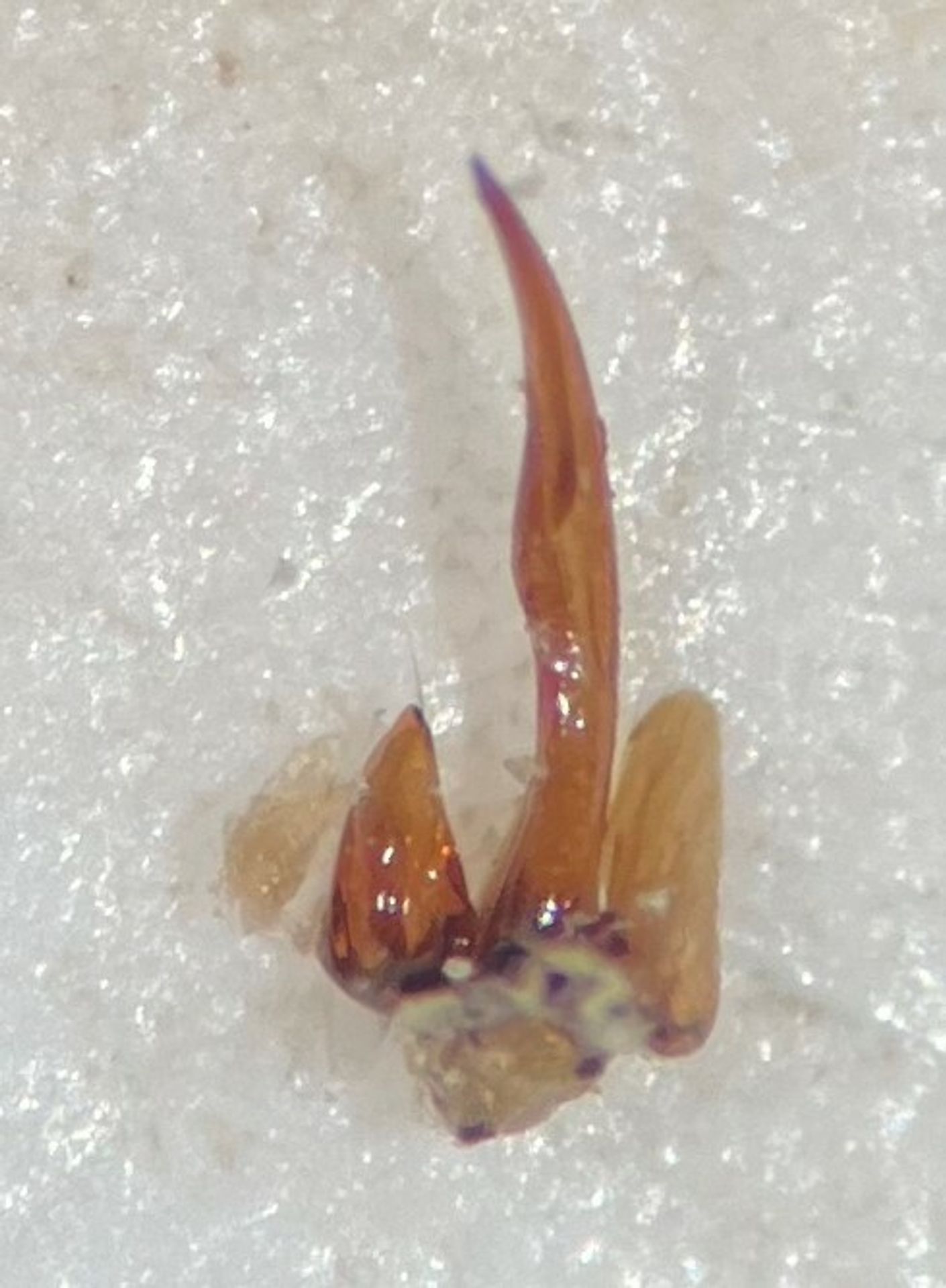
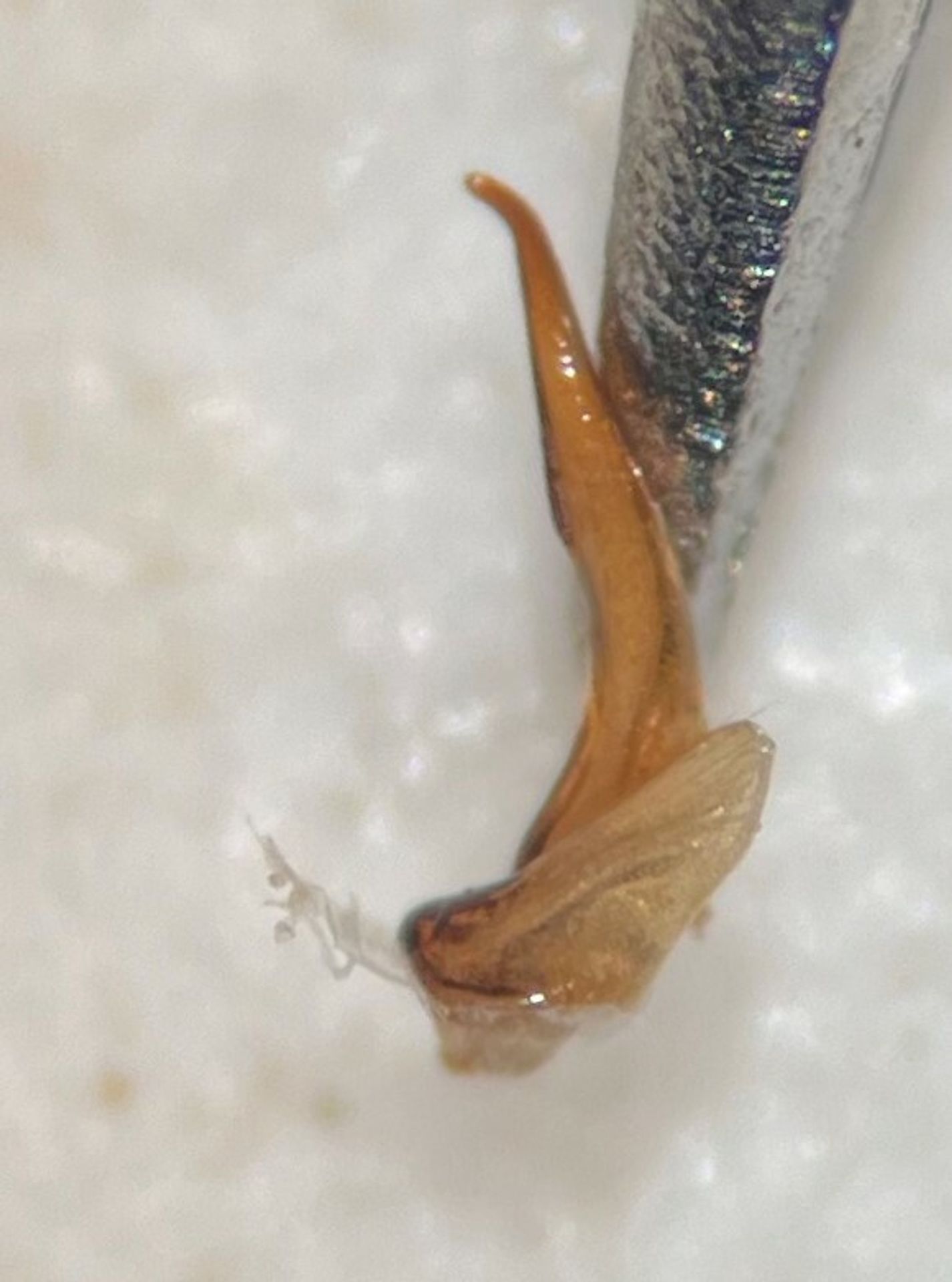
Distinguished from by subtle morphological characters of the male genitalia and body proportions; precise identification requires examination of aedeagal structure. The three (chihuahuae, thermophilus, and the nominate vacaensis) differ in geographic distribution and minor structural features.
Images
Habitat
Aquatic environments including ponds, pools, and slow-moving waters; specific microhabitat preferences are not well documented.
Distribution
North America and Middle America (Neotropics), with showing regional partitioning: L. v. chihuahuae in northern Mexico, L. v. thermophilus in thermal waters, and the nominate form more broadly distributed.
Ecological Role
Predatory member of freshwater aquatic ; specific ecological functions have not been studied.
Similar Taxa
- Laccophilus angustusOccurs in overlapping geographic ranges in South America; both are small Laccophilus requiring careful examination of male genitalia for separation.
- Other Laccophilus speciesThe Laccophilus contains numerous small, similar-appearing ; definitive identification relies on microscopic examination of genitalic structures rather than external .
More Details
Subspecies
Three are recognized: L. v. chihuahuae Zimmerman 1970 (Chihuahua, Mexico), L. v. thermophilus Zimmerman 1970 (thermal waters), and L. v. vacaensis Young 1953 (nominate form).