Thermonectus basillaris
(Harris, 1829)
Thermonectus basillaris is a diving native to eastern North America and Cuba. It is characterized by its pioneering in temporary pond and strong capability. are small to medium-sized for the , measuring 8.1–10.7 mm in length. The species is well-documented across its range with over 1,100 observation records.
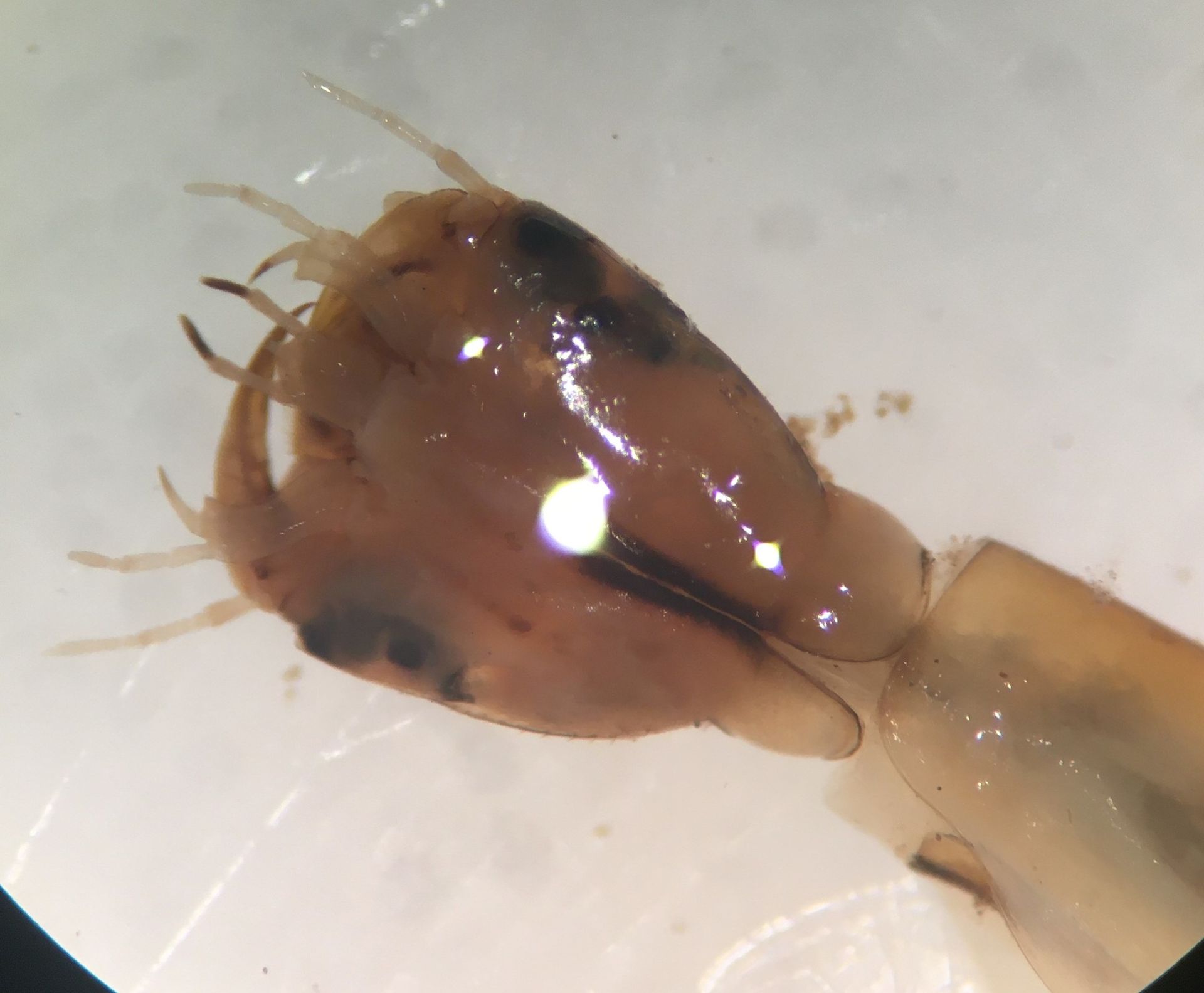
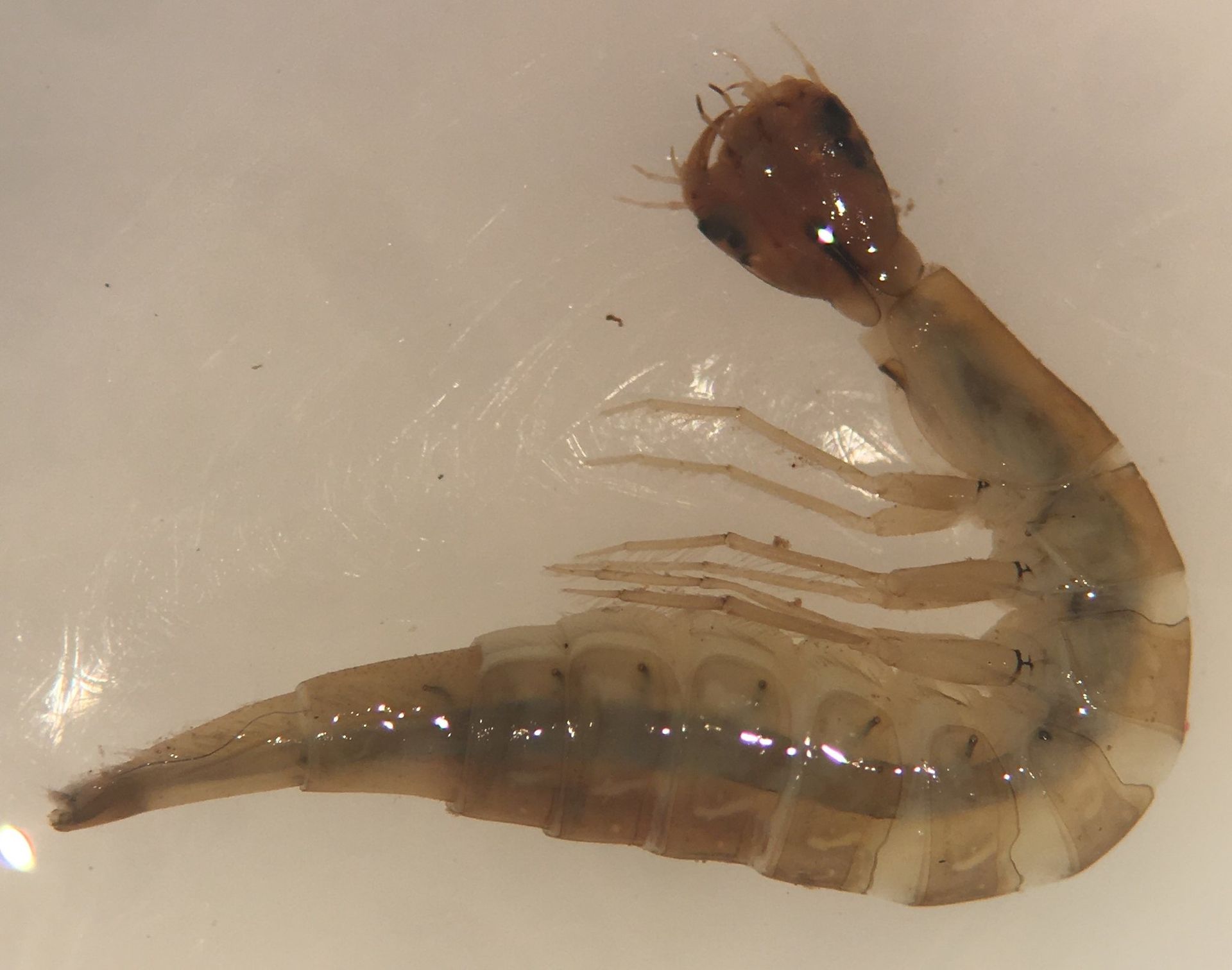
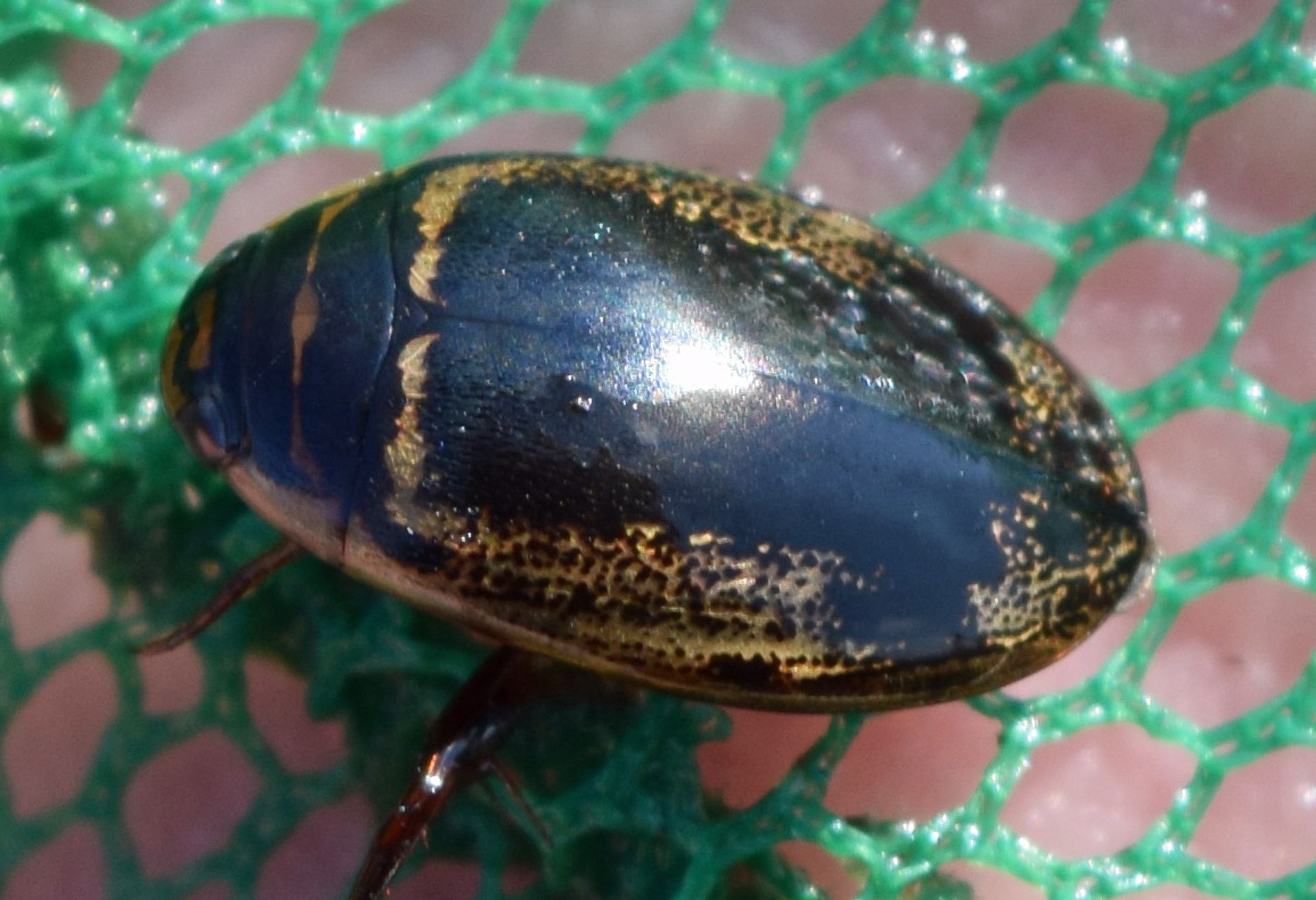
Pronunciation
How to pronounce Thermonectus basillaris: //ˌθɜːr.moʊˈnɛk.təs ˌbæ.səˈlæ.rɪs//
These audio files are automatically generated. While they are not always 100% accurate, they are a good starting point.
Identification
The Thermonectus is distinguished within tribe Aciliini by specific morphological characters detailed in Miller & Bergsten (2016). T. basillaris can be separated from T. marmoratus by geographic range and subtle differences in body proportions and color pattern. Definitive identification requires examination of male genitalia and comparison with referenced specimens.
Images
Habitat
Temporary ponds and other ephemeral aquatic . The is described as a pioneering colonist of newly available or seasonally dry water bodies.
Distribution
Eastern United States, southern Ontario (Canada), and Cuba. GBIF records additionally indicate presence in the broader Caribbean and Middle America regions.
Behavior
are strong fliers and readily disperse between water bodies. This capability facilitates of temporary that may dry seasonally.
Ecological Role
As a pioneering in temporary ponds, T. basillaris contributes to early and assembly in ephemeral aquatic . Like other dytiscids, larvae and are predatory.
Similar Taxa
- Thermonectus marmoratusOverlaps in western portions of range; distinguished by more extensive dark patterning on and different body proportions.
- Acilius spp.Shares tribe Aciliini and similar body form; Acilius are generally larger and have distinct male protarsal modifications.
More Details
Taxonomic authority
Originally described as Dytiscus basillaris by Harris in 1829, later transferred to Thermonectus.