
Platambus
C. G. Thomson, 1859
Species Guides
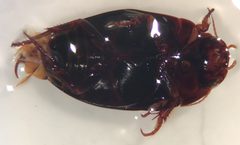
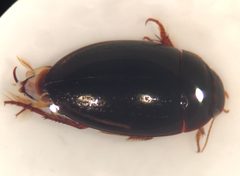
6Platambus is a of predaceous diving beetles ( Dytiscidae) established by C. G. Thomson in 1859. The genus is native to the Palearctic region and includes found in Europe, the Near East, North Africa, and extending into higher mountain regions of Central Asia and China. Members of the genus are distinguished by specific morphological characters including a wide epipleuron and spotted markings. The genus contains multiple species groups, including the semenowi-group with seven recognized species distributed across montane regions from Central Asia through the Himalayas to China.
Pronunciation
How to pronounce Platambus: //pləˈtæmbəs//
These audio files are automatically generated. While they are not always 100% accurate, they are a good starting point.
Identification
Images
Appearance
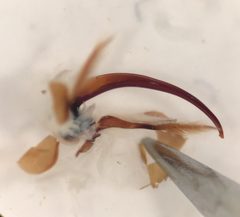
Medium-sized diving beetles with a wide epipleuron (the lateral margin of the that extends ventrally). The surface exhibits spot markings. within the semenowi-group show distinct colour patterns and lobe that serve as important diagnostic characters.
Habitat
Aquatic environments in the Palearctic region. The semenowi-group are specifically associated with higher mountain regions in Central Asia, northern India, Nepal, Bhutan, Pakistan, and China.
Distribution
Palearctic region including Europe, the Near East, North Africa, and extending into higher mountain regions of Central Asia, northern India, Nepal, Bhutan, Pakistan, and China. Specific records include Sichuan Province in China (Ganzi Tibetan Autonomous Prefecture and Chengdu). Distribution records from GBIF include Denmark, Norway, and Sweden.
Similar Taxa
- Other Agabinae generaSimilar body form and aquatic habits; distinguished by the wide epipleuron and spot markings characteristic of Platambus
More Details
Species groups
The includes the semenowi-group sensu Nilsson (2000), comprising seven known from higher mountain regions across Central Asia and the Himalayas. Two additional species from this group were described from China in 2015: P. brancuccii and P. korgei.
Taxonomic history
The was established by C. G. Thomson in 1859 and is currently classified in the Agabinae, tribe Agabini within the Dytiscidae.