
Micratopus aenescens
(LeConte, 1848)
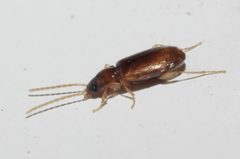
Micratopus aenescens is a small ground beetle in the Carabidae, first described by LeConte in 1848. It belongs to the tribe Bembidiini, a diverse group of often diminutive carabids commonly found in moist microhabitats. The is documented from North America, with records primarily from the United States. Like other members of its , it is likely associated with riparian or wetland edges, though specific ecological studies are limited.
Pronunciation
How to pronounce Micratopus aenescens: /ˌmaɪˈkrætəpʊs eɪˈnɛskɛnz/
These audio files are automatically generated. While they are not always 100% accurate, they are a good starting point.
Identification
Micratopus aenescens can be distinguished from other small carabids by its placement in the Micratopus, characterized by small body size, thread-like , and typically metallic or dark coloration. The specific epithet "aenescens" suggests a bronze or coppery sheen. It may be separated from similar Bembidiini such as Tachys or Bembidion by subtle differences in pronotal shape, elytral striation, and male genitalia, though precise identification requires examination of diagnostic characters.
Images
Distribution
Recorded from the United States; present in North America. Specific state-level distribution records are sparse in available sources.
Similar Taxa
- TachysSimilar small size and preferences in Bembidiini; distinguished by differences in pronotal structure and elytral microsculpture.
- BembidionOverlaps in general and ; Micratopus typically has more slender body proportions and different antennal structure.
More Details
Taxonomic placement
Micratopus aenescens is classified in the subtribe Tachyina within tribe Bembidiini, a group of small ground beetles often requiring microscopic examination for accurate identification.
Data gaps
Despite 93 iNaturalist observations, published ecological and information for this remains minimal in accessible sources.