
Micratopus
Casey, 1914
Species Guides
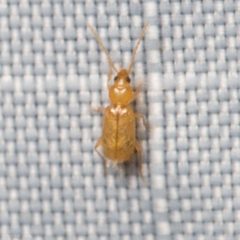
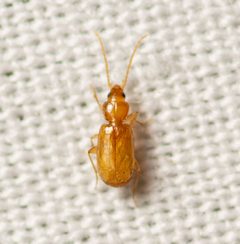
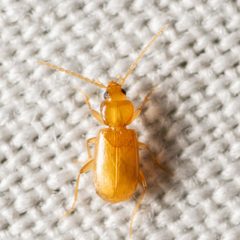
3Micratopus is a of small ground beetles in the Carabidae, established by Casey in 1914. The genus comprises seven described distributed across the Caribbean, South America, and North America. Members of this genus belong to the tribe Bembidiini and are characterized by their diminutive size, a trait reflected in the genus name. Several species have been described relatively recently, with three new species named in 2021 from the Lesser Antilles.
Pronunciation
How to pronounce Micratopus: /mɪˈkrætəpəs/
These audio files are automatically generated. While they are not always 100% accurate, they are a good starting point.
Identification
Micratopus are distinguished from other Bembidiini by their extremely small body size; the name itself derives from Greek roots meaning 'small foot.' Species-level identification requires examination of genitalic structures and subtle differences in elytral microsculpture. Micratopus exiguus, described from Brazil in 1844, represents one of the earliest-named species in the genus.
Images
Distribution
The has a disjunct distribution spanning the Caribbean (Lesser Antilles, Cuba), South America (Brazil), and North America. Five of seven occur in the Caribbean region, suggesting a center of diversity there. Micratopus aenescens occurs in North America, while Micratopus exiguus is known from Brazil.
Similar Taxa
- TachytaBoth are small-bodied members of Bembidiini with similar overall habitus, requiring careful examination of genitalia and pronotal shape for separation.
- BembidionShares tribe Bembidiini and small size, but Bembidion is far more -rich and diverse; Micratopus is distinguished by more reduced body size and specific genitalic .
More Details
Recent Taxonomic Activity
The saw significant taxonomic attention in 2021, when Lemaire described two new from the Lesser Antilles (M. anaisae and M. erwini), bringing the total described species to seven.