
Tetraleucus
Casey, 1920
Species Guides
1Tetraleucus is a of ground beetles in the Carabidae, containing only the Tetraleucus picticornis. The genus was described by Thomas Lincoln Casey Jr. in 1920. It is known from North America, with records from the northeastern United States including Vermont.
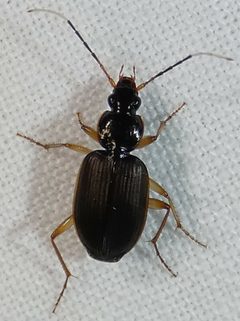
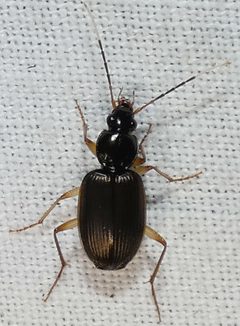
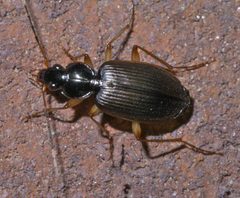
Pronunciation
How to pronounce Tetraleucus: /tɛtrəˈlɛkjus/
These audio files are automatically generated. While they are not always 100% accurate, they are a good starting point.
Identification
As a , Tetraleucus contains only one , Tetraleucus picticornis. The genus can be distinguished from related Platynini by the combination of its monotypic status and the specific epithet 'picticornis' referring to marked or colored . Generic-level characters align with Platyninae features: thread-like antennae, slender body form, and elongated legs typical of ground beetles in this group.
Images
Distribution
North America; recorded from Vermont, United States. The full range within North America is not well documented.
Ecological Role
As a member of Carabidae, likely functions as a in soil and ground-level , though specific ecological roles for this have not been documented.
Similar Taxa
- PlatynusBoth belong to tribe Platynini and share slender body ; Tetraleucus is distinguished by its status and specific antennal characteristics referenced in the epithet picticornis.
- AgonumAnother in Platynini with similar ground beetle ; Tetraleucus differs in its restricted and geographic distribution.
More Details
Taxonomic history
Casey (1920) established this based on specimens of what became Tetraleucus picticornis. The genus has remained for over a century, suggesting either genuine rarity or limited collection effort.