Idotea balthica
(Pallas, 1772)
Baltic Isopod
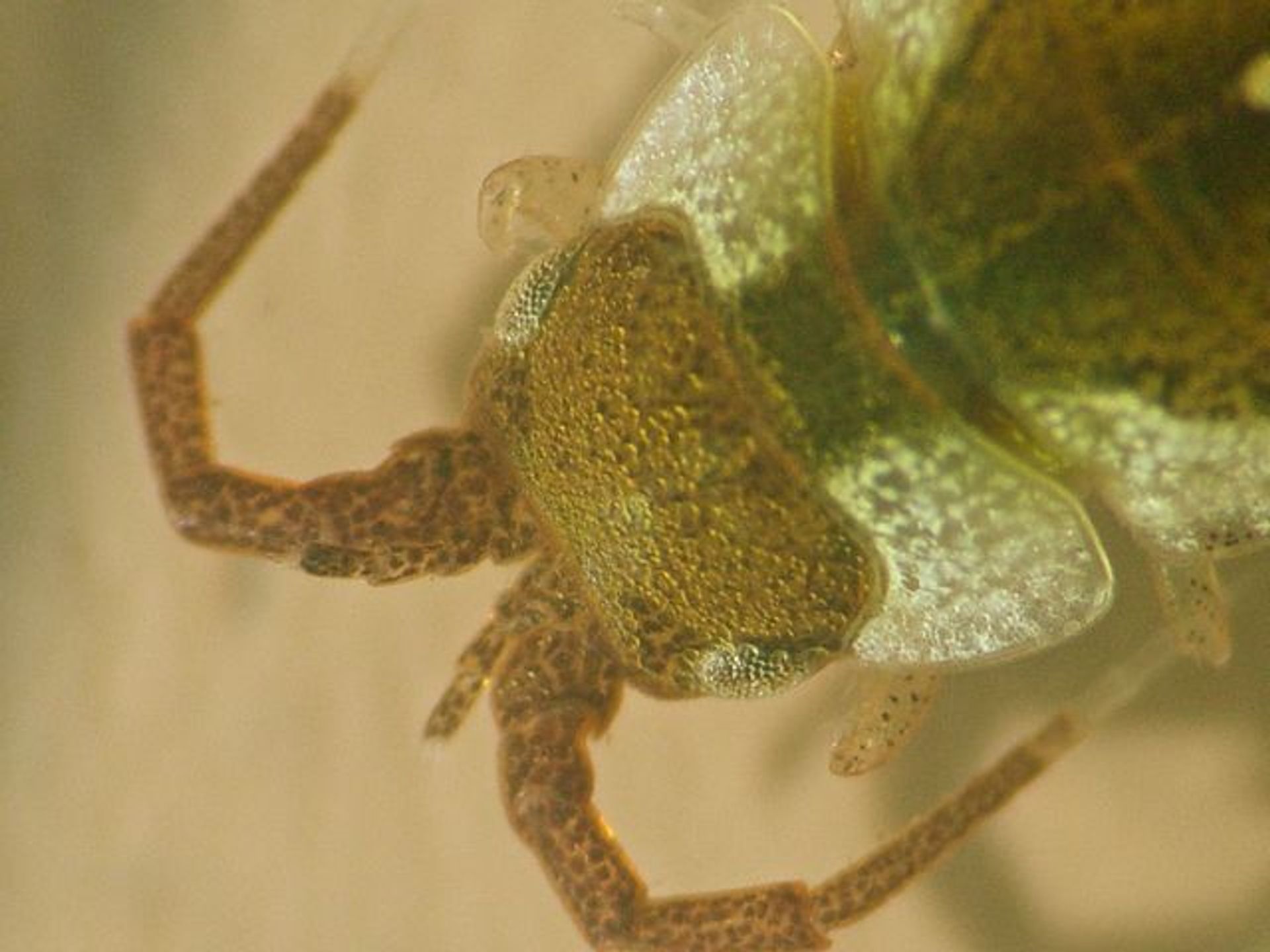
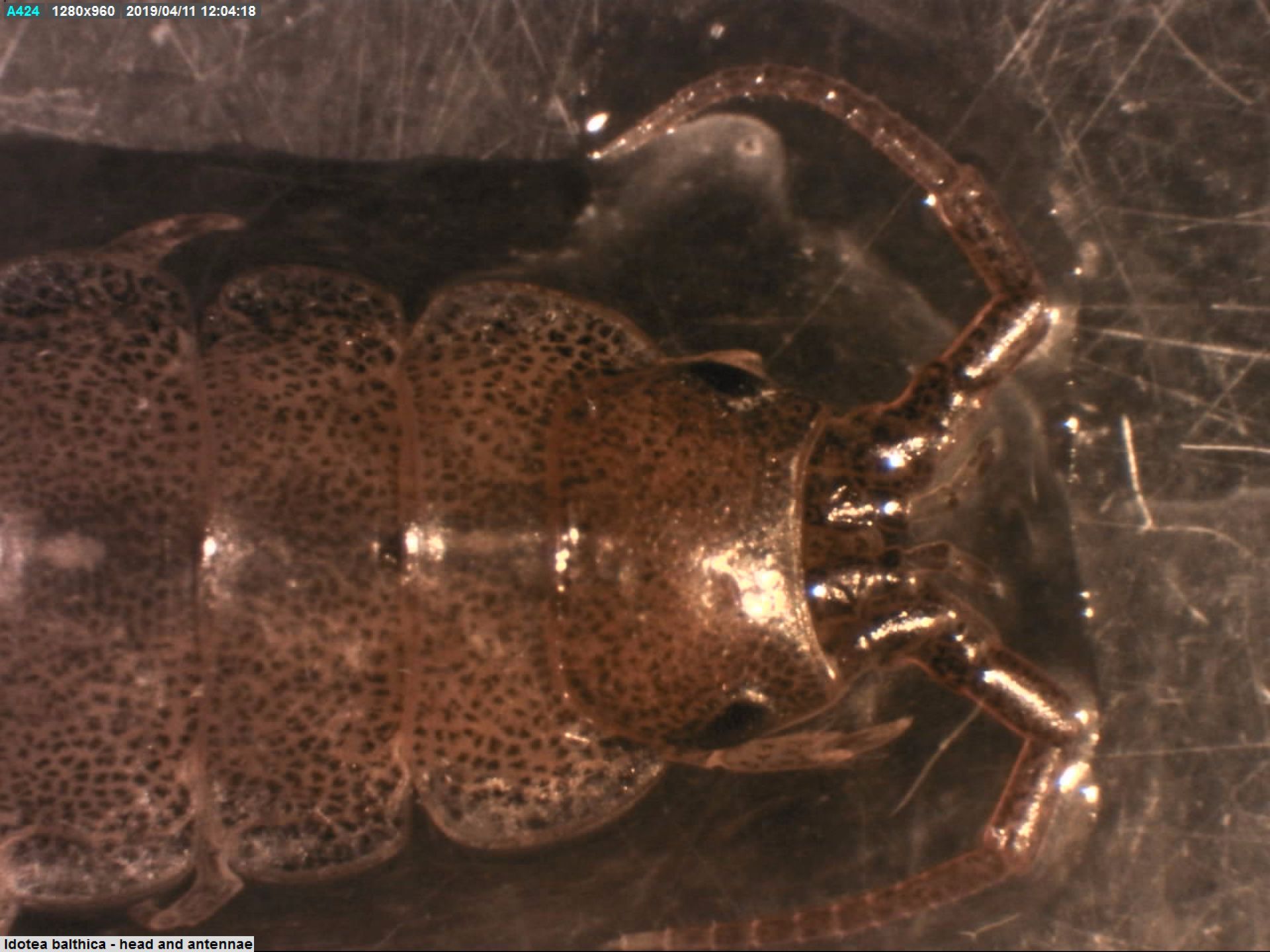
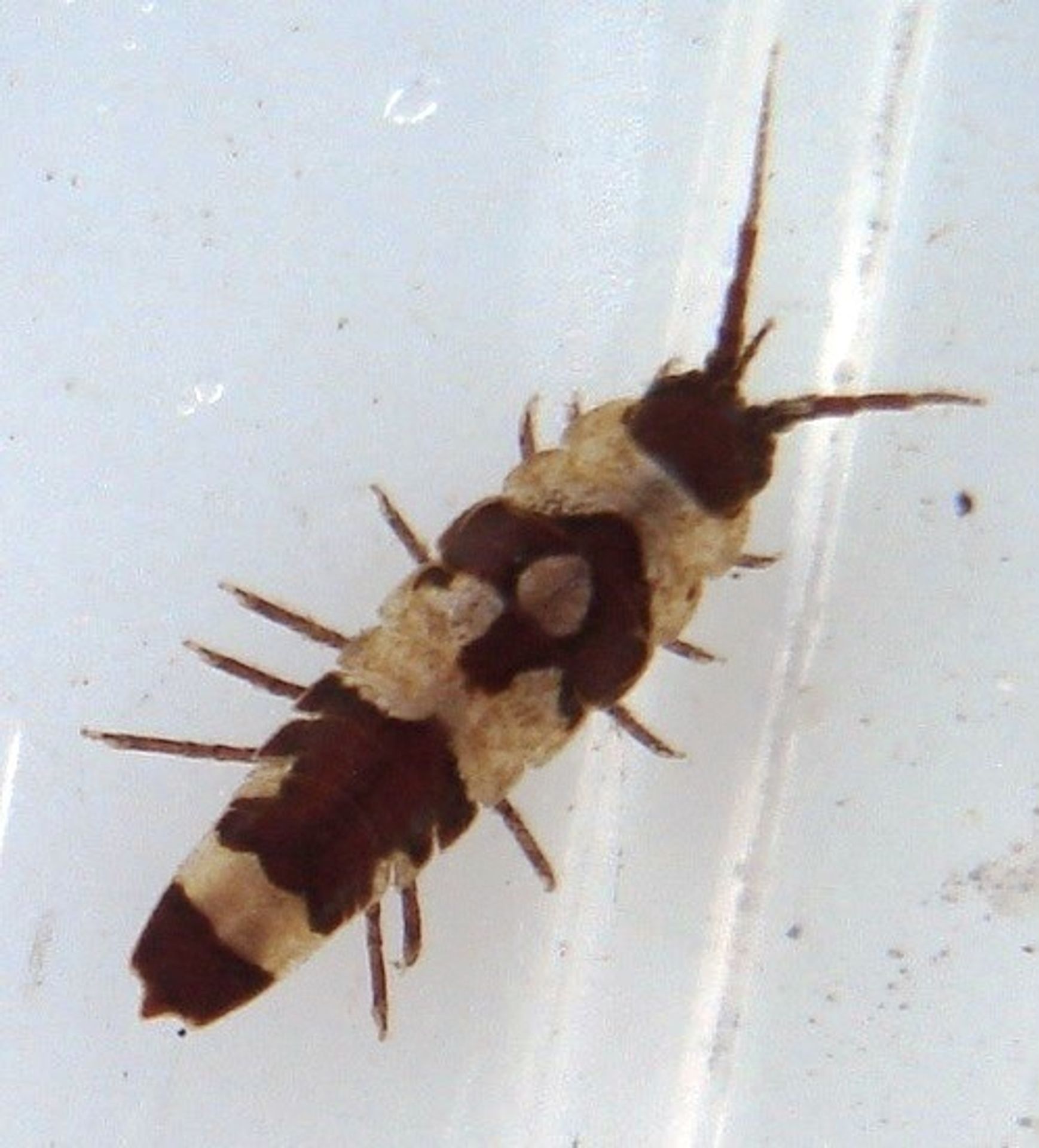
Idotea balthica is a marine isopod inhabiting subtidal zones of rocky shores and sandy lagoons, where it lives on seaweed and seagrass. The exhibits pronounced in both size and coloration, with males reaching up to 4 cm while females max out around 1.8 cm. Coloration ranges from muted greens to striking black-and-silver patterns, with females typically darker and males often light green. The species was identified in 2022 as the first known animal of , specifically facilitating in Gracilaria gracilis.
Pronunciation
How to pronounce Idotea balthica: /ˈɪdətiə ˈbælθɪkə/
These audio files are automatically generated. While they are not always 100% accurate, they are a good starting point.
Identification
Distinguished from other idoteids by the shape of the : dorsally keeled with straight sides and a distinct protrusion at the end. Males are substantially larger than females (up to 4 cm vs. ~1.8 cm). Body coloration is highly variable, ranging from muted greens to black-and-silver patterns, with females usually darker and males frequently light green. Color intensity can be altered through chromatophore restriction and dilation.
Images
Habitat
Subtidal zones of rocky shores and sandy lagoons; lives on seaweed and seagrass. In the Baltic, strongly associated with Fucus vesiculosus (bladder wrack) as preferred plant over other and vascular plants. Also found on Zostera marina (eelgrass) and other brown algae (Fucus spp., Elachista fucicola, Pylaiella littoralis), green algae (Cladophora glomerata, Ulva spp.), and Phanerogams (Stuckenia pectinata, Ruppia spp.).
Distribution
Broad geographic range including: Belgian Exclusive Economic Zone, British Isles, Cobscook Bay, Dutch Exclusive Economic Zone, European waters, Greek Exclusive Economic Zone, Gulf of Maine, Knokke, North West Atlantic, Red Sea, Voordelta, West Coast of Norway, Wimereux, and Black Sea.
Seasonality
Activity patterns show temporal variation: less active and more concealed during day; increased movement between microhabitats at night. Growth rate varies seasonally: lowest in winter (December–February: 0.23 mm), highest between April and June (2.31 mm). Reproductive activity extends throughout year in large females; smaller females breed from late spring to early autumn.
Diet
Primarily herbivorous, feeding on various vegetation types. In the Baltic, consumes brown (Fucus spp., Elachista fucicola, Pylaiella littoralis), green algae (Cladophora glomerata, Ulva spp.), and Phanerogams (Stuckenia pectinata, Ruppia spp., Zostera marina). Strongly prefers Fucus vesiculosus over other algae and vascular plants. Males grow faster when fed parts of F. vesiculosus; females grow equally well with apical or basal parts.
Life Cycle
Continuous growth throughout life with high initial growth rate following von Bertalanffy's model. with distinct reproductive strategies: large ovigerous females with high present year-round; smaller females with low fecundity breed late spring to early autumn. Manca () size increases with female body size; trade-off exists between manca size and number of per . Reproductive allocation ranges 17.1–23.2%, positively correlated with female weight. Late summer and autumn cohorts exhibit K-strategy; winter and spring cohorts exhibit faster development, earlier , and smaller (r-strategy tendency).
Behavior
Exhibits consistent individual differences in activity level that constitute personality traits, with activity connected to survival probability (more active individuals have lower survival). selection involves trade-off between avoidance and food intake, evaluated differently by sex. Both sexes less active and favor concealing habitats during day; migrate more between microhabitats at night. more influenced by predator avoidance in microhabitat selection than juveniles. Males move between microhabitats more frequently than females and display more risk-taking , presumably because reproductive success depends more on size in males. Pre-copulatory mate guarding initiated by males approximately one week before female parturial ; males carry females on their backs until molting and receptivity. Male-male competition for mates occurs, with larger males and those with larger secondary favored. Females resist mate guarding attempts through writhing and body bending; resistance frequency increases when size dimorphism is reduced.
Ecological Role
Marine herbivore; significant grazer of macroalgae and seagrass in coastal . First known animal of , facilitating in Gracilaria gracilis (discovered 2022). Gut composition is -specific, likely playing role in digestion of plant material. Subject to by fish and crabs, which drives color through selection for in multiple microhabitats. Engages in with Idotea emarginata, typically subordinate with consequent restriction to suboptimal habitat patches.
Human Relevance
Used as bioindicator for environmental pollution studies, particularly regarding effects of detergents on . Subject of research on personality traits in and on marine herbivore- interactions.
Similar Taxa
- Idotea emarginataCo-occurs in shared ; I. balthica is competitively subordinate, forced to migrate between suboptimal habitats while I. emarginata occupies better resource patches permanently. Distinguished by : I. balthica has dorsally keeled telson with straight sides and terminal protrusion.
- Other Idotea speciesDistinguished specifically by shape: I. balthica possesses dorsally keeled telson with straight sides and distinct protrusion.
Sources and further reading
- BugGuide
- Wikipedia
- GBIF taxonomy match
- iNaturalist taxon
- Catalogue of Life
- [Effects of detergents on reproduction in Idotea balthica basteri; (Crustacea, Isopoda).]
- Habitat-specific gut microbiota of the marine herbivore Idotea balthica (Isopoda)
- Personality‐Dependent Survival in the Marine Isopod Idotea balthica
- Alteration de la fonction de reproduction chez Idotea balthica basteri (Crustacea, Isopoda) soumis a l'effet chronique d'un détergent non ionique
- The Influence of Environmental Factors on the Population Structure and Reproductive Biology of <i>Idotea balthica basteri</i> (Isopoda, Valvifera) of the Bizerte Lagoon (Northern Tunisia)
- Reproductive and growth strategies of Idotea balthica basteri (Pallas, 1772) population in the Bizerte lagoon (Tunisia, Southern Mediterranean)