
Pagurus acadianus
J.E. Benedict, 1901
Acadian hermit crab
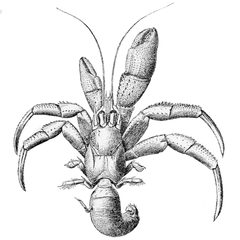
Pagurus acadianus is a marine hermit crab in the Paguridae, first described by J.E. Benedict in 1901 from specimens in the western Atlantic. It is distinguished from the closely related Pagurus bernhardus by morphological features including larger eyestalks, shorter chelae fingers, and sharper chelipeds. The species inhabits rocky intertidal zones and exhibits seasonal fluctuations, with peak abundance in June and reduced activity from November through March. It has been documented as the most abundant hermit crab in some Maine localities, though 95.4% of museum records represent preserved specimens rather than living observations.
Pronunciation
How to pronounce Pagurus acadianus: /pəˈɡʊrəs əˌkeɪdiˈeɪnəs/
These audio files are automatically generated. While they are not always 100% accurate, they are a good starting point.
Identification
Distinguished from Pagurus bernhardus by three key morphological features: larger eyestalks, shorter fingers of the chelae (claws), and sharper chelipeds. The measure approximately 0.58 by 0.64 millimeters and display variable red and yellow coloration with distinctive eyespots.
Images
Habitat
Rocky intertidal zone, specifically the area between highest high tides and lowest low tides. Larger individuals occupy elevated areas within this zone, while smaller individuals inhabit wharf pilings and vertical rock in the mid-intertidal region. Uses empty gastropod shells as portable shelters, with documented shell including Littorina littorea, Thais lapillus, Buccinum undatum, and Polinices heros.
Distribution
Western Atlantic Ocean, including Vineyard Sound and Cobscook Bay. Documented as the most abundant hermit crab in Salisbury Cove, Maine based on 1961 studies. Also recorded from the Gulf of Saint Lawrence.
Seasonality
abundance is seasonally dependent with peak richness in June. Marked population decrease occurs from November through March. Most abundant in seawater temperatures ranging from 32 to 41 degrees Fahrenheit (0 to 5 degrees Celsius).
Diet
. Primary nutrient intake from detritus, specifically "marine snow" (particulate organic matter in the water column). Consumes macroscopic animals and detritus. Digestion occurs via proteolytic that split and lipids.
Life Cycle
of approximately 30 days. Optimal gestation temperature 55.4 degrees Fahrenheit (13 degrees Celsius). Eggs hatch at approximately 0.58 by 0.64 millimeters with red and yellow coloration and distinctive eyespots.
Behavior
Exhibits aggression leading to substantial intraspecific and . Smaller individuals demonstrate higher aggression and dominance, possibly as a compensatory for reduced size. Shell-switching occurs throughout life to accommodate growth; occupying undersized shells increases and desiccation risk. Two primary defense mechanisms: fleeing when approached by , or curling into the shell. Tactic selection based on cost-benefit analysis considering energy expenditure and food availability.
Ecological Role
contributing to nutrient cycling through consumption of marine snow and detritus. Occupies empty gastropod shells, potentially influencing shell availability for other organisms. Serves as for parasitic including Hysterothylacium aduncum.
Human Relevance
Subject of ecological research since 1901, with particular focus on intertidal dynamics and competition. Vulnerable to competition from Asian shore crab (Hemigrapsus sanguineus), which arrived in New Jersey in 1988 and has since spread. Susceptible to Fusarium solani fungal causing and reduced immune function.
Similar Taxa
- Pagurus bernhardusClosely related European distinguished by smaller eyestalks, longer chelae fingers, and less sharp chelipeds. Frequently confused with P. acadianus in scientific literature.
- Pagurus pubescensHairy hermit crab sharing the Pagurus and overlapping in some ecological characteristics.
Sources and further reading
- BugGuide
- Wikipedia
- GBIF taxonomy match
- iNaturalist taxon
- NCBI Taxonomy
- Catalogue of Life
- Amazing Story About What Entomologist Lynn Kimsey Recorded in San Francisco Bay 50 Years Ago | Bug Squad
- Marine invertebrates with Cornwall Wildlife Trust - Buglife Blog - Buglife
- Notes on the Ecology and Behavior of the Hermit Crab, Pagurus acadianus
- Notes on the ecology and behaviour of the hermit crab, Pagurus acadianus