Rilaena triangularis
(Herbst, 1799)
Spring Harvestman
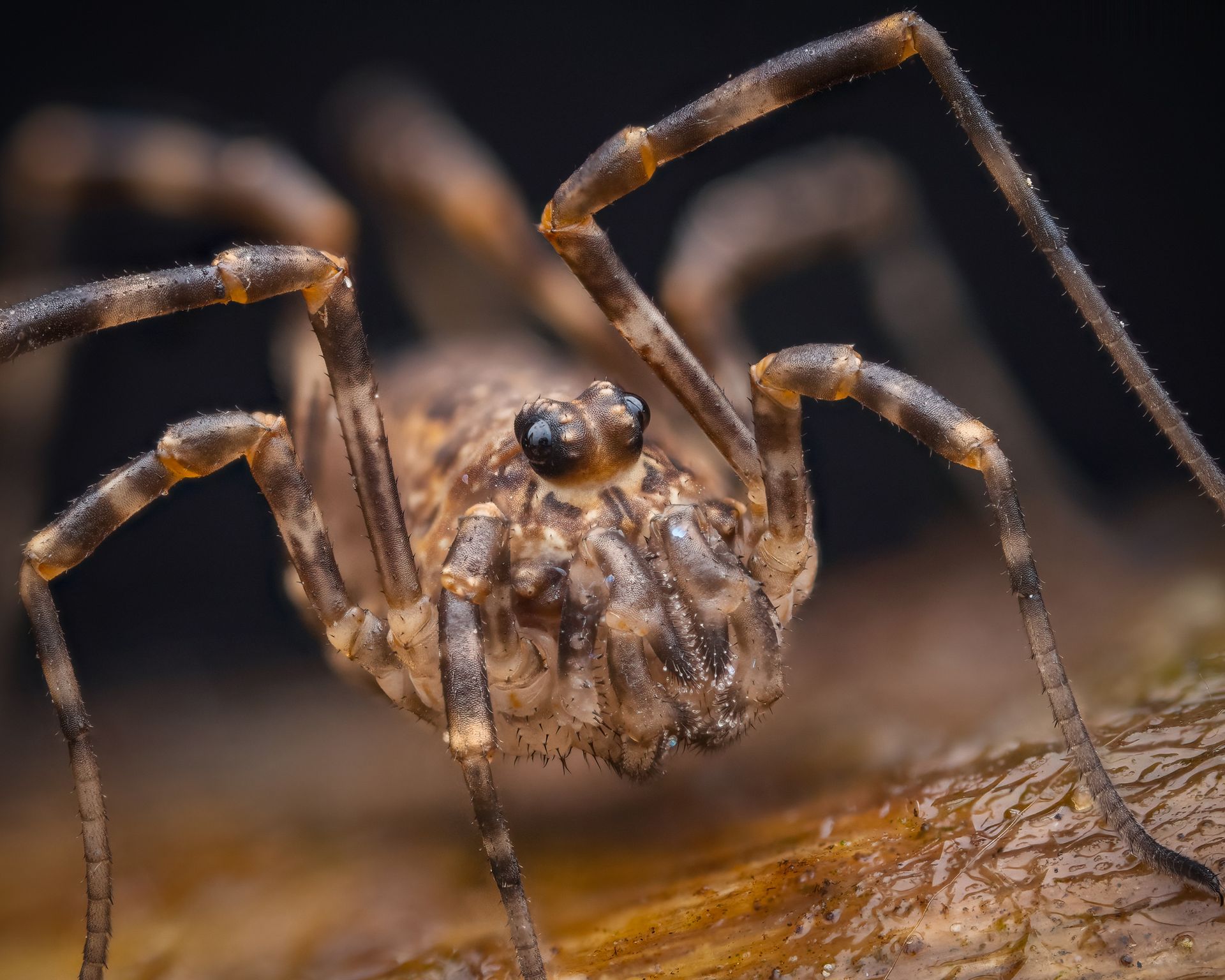
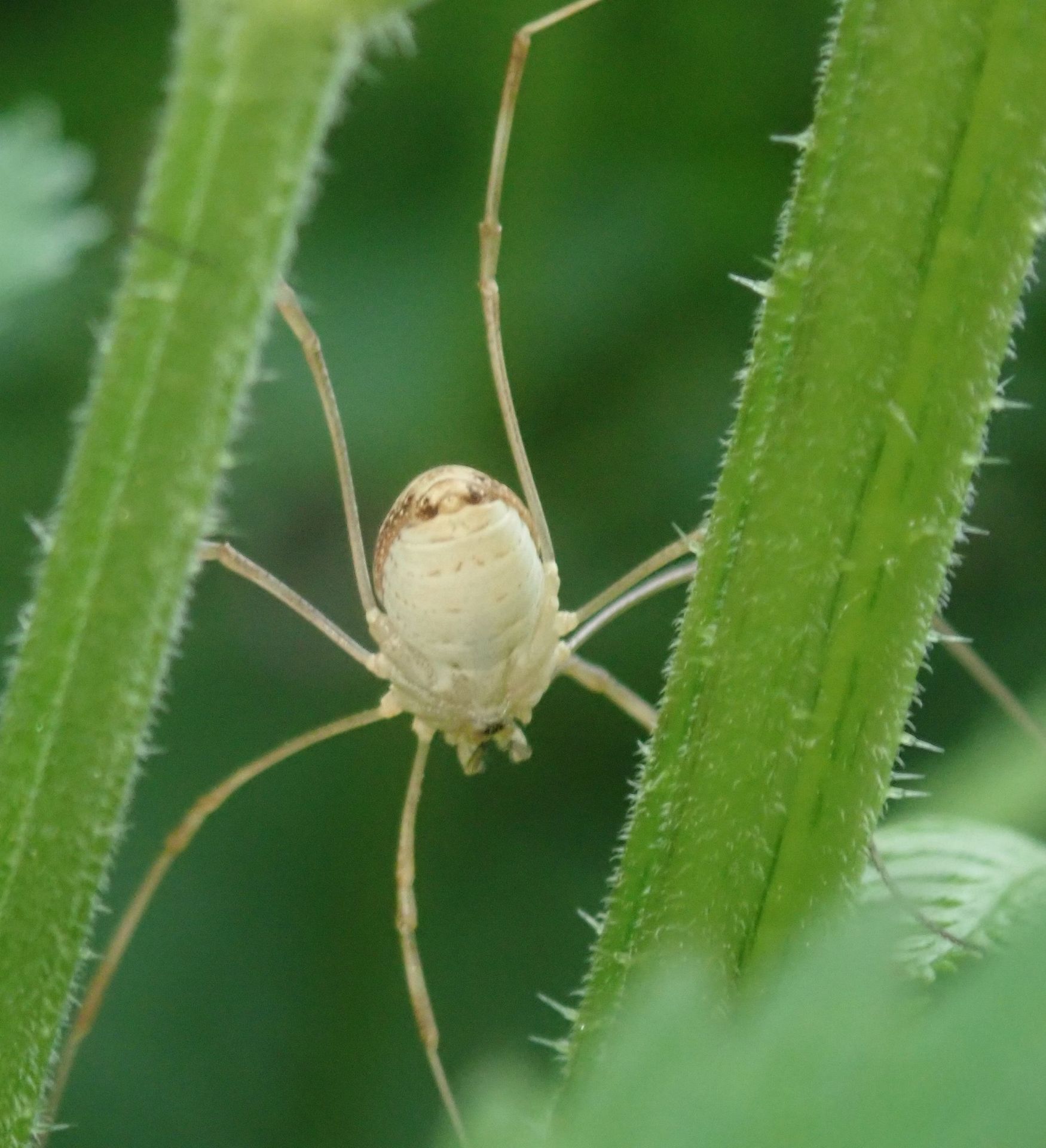
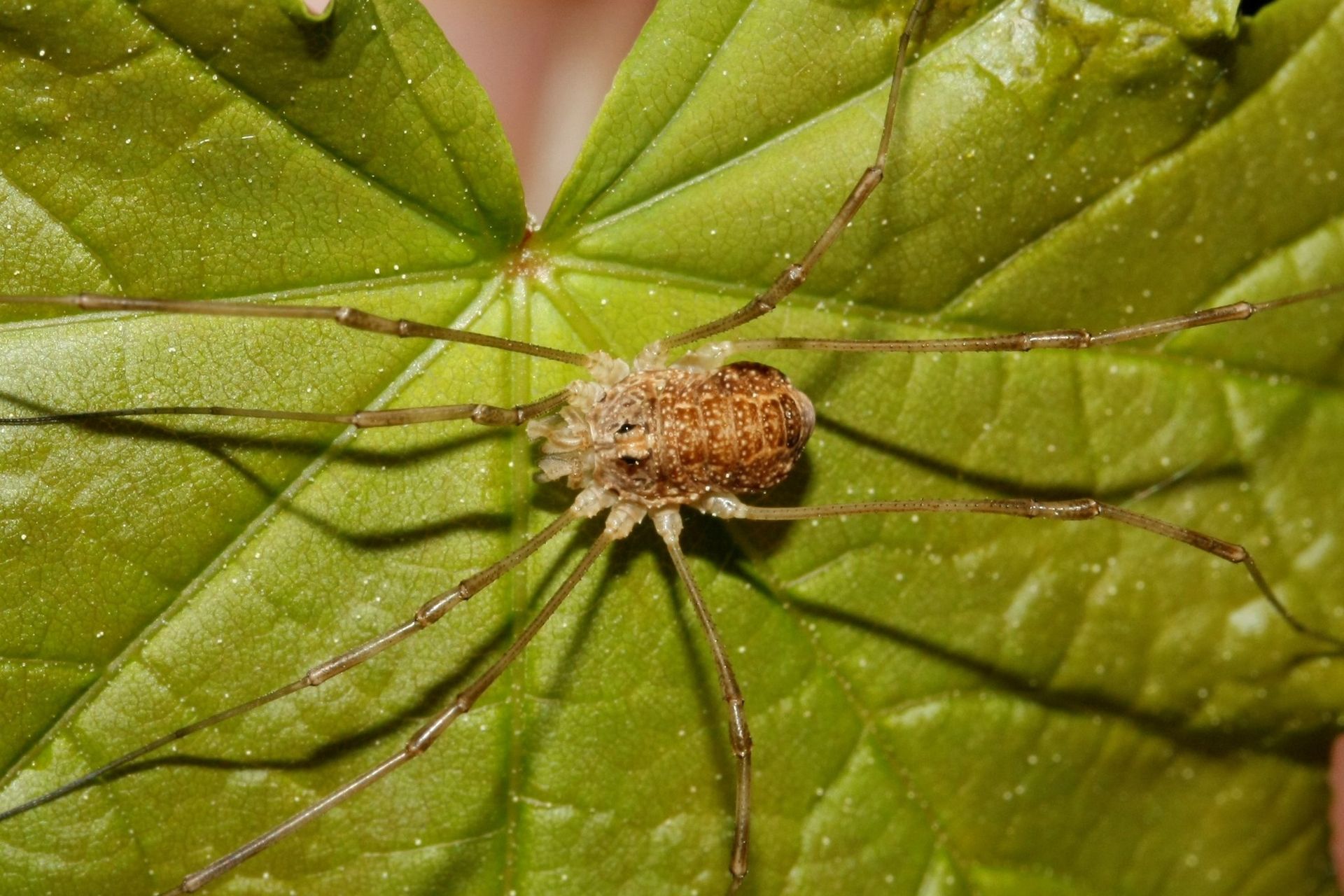
Rilaena triangularis is a harvestman in the Phalangiidae, first described by Herbst in 1799. It is widely distributed across Europe and has been introduced to parts of North America. The species is recognized by its distinctive triangular or vase-shaped marking, often outlined in pale coloration. When disturbed, it emits a defensive secretion containing 1,4-benzoquinone, 1,4-naphthoquinone, and caprylic acid.
Pronunciation
How to pronounce Rilaena triangularis: /rɪˈleɪ.nə traɪˌæŋ.ɡɪˈeə.rɪs/
These audio files are automatically generated. While they are not always 100% accurate, they are a good starting point.
Identification
Distinguished from similar harvestmen by the characteristic triangular or vase-shaped 'saddle' pattern with pale outlining. The epithet 'triangularis' directly references this marking. Caution is needed with specimens lacking clear patterning or in regions where congeneric species occur.
Images
Habitat
Forests, floodplain forests, and fens. The shows preference for wooded and semi-wooded moist environments.
Distribution
Native to Europe, with records from most European countries except Spain and Portugal. Introduced established in north-west and north-east regions of the United States.
Behavior
When disturbed, emits a strong-smelling defensive secretion as a chemical defense mechanism.
Similar Taxa
- Paraplatybunus speciesRilaena triangularis has been historically classified under Platybunus (Paraplatybunus), and online sources may still list it as Paraplatybunus triangularis; however, Paraplatybunus lacks formal generic status in peer-reviewed literature and is treated as a subgenus at most
Misconceptions
The name 'Paraplatybunus' is frequently claimed as a in online sources, but this rank lacks foundation in academic literature and was only published as a subgenus. Rilaena triangularis should not be referred to as Paraplatybunus triangularis without acknowledging this taxonomic ambiguity.
More Details
Taxonomic history
Originally described as Phalangium triangularis by Herbst in 1799. Subsequently recombined as Platybunus (Paraplatybunus) triangularis by Dumitrescu in 1970. Currently accepted in Rilaena.
Chemical defense composition
Defensive secretion contains 1,4-benzoquinone, 1,4-naphthoquinone, and caprylic acid. These compounds produce a strong odor when the animal is disturbed.