
Oligolophus
Koch, 1871
Species Guides
1- Oligolophus tridens(Three-toothed harvestman)
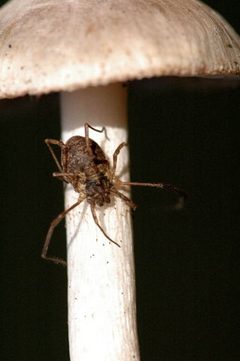
Oligolophus is a of harvestmen (Opiliones) in the Phalangiidae, Oligolophinae. It contains four described distributed across Europe and Asia, with records from Denmark, Norway, Sweden, central Europe, and China. The genus was established by Koch in 1871. Species in this genus are part of the diverse Eupnoi clade of long-legged harvestmen.
Pronunciation
How to pronounce Oligolophus: //ˌɒlɪˈɡɒləfəs//
These audio files are automatically generated. While they are not always 100% accurate, they are a good starting point.
Identification
Members of Oligolophus can be distinguished from other Phalangiidae by features of the and , though specific diagnostic characters require examination of . Oligolophus tridens, the type , has been historically characterized by tridentate cheliceral claws. The genus is placed in the Oligolophinae based on shared derived characters with related genera.
Images
Habitat
in this have been recorded from temperate forest and woodland . Oligolophus tridens occurs in central European deciduous and mixed forests. Specific microhabitat preferences for most species remain poorly documented.
Distribution
Europe: Denmark, Norway, Sweden, Germany, Austria, and surrounding central European regions. Asia: eastern China (Zhejiang Province, Tianmu Mountains). North America: Vermont, United States (record requires verification).
Ecological Role
As with other Phalangiidae harvestmen, in this likely function as and scavengers in forest floor , though specific ecological studies are lacking.
Similar Taxa
- PhalangiumPhalangium is the type of Phalangiidae and shares the Oligolophinae with Oligolophus; differs in structure and geographic distribution (primarily Mediterranean)
- RilaenaAnother Oligolophinae with overlapping European distribution; distinguished by body proportions and male genitalia
More Details
Taxonomic note
Oligolophus mollis L. Koch is considered unidentifiable based on the original description. The classification follows the Oligolophinae as recognized in recent harvestman phylogenetic treatments.