Atypus karschi
Dönitz, 1887
Karsch's Purseweb Spider
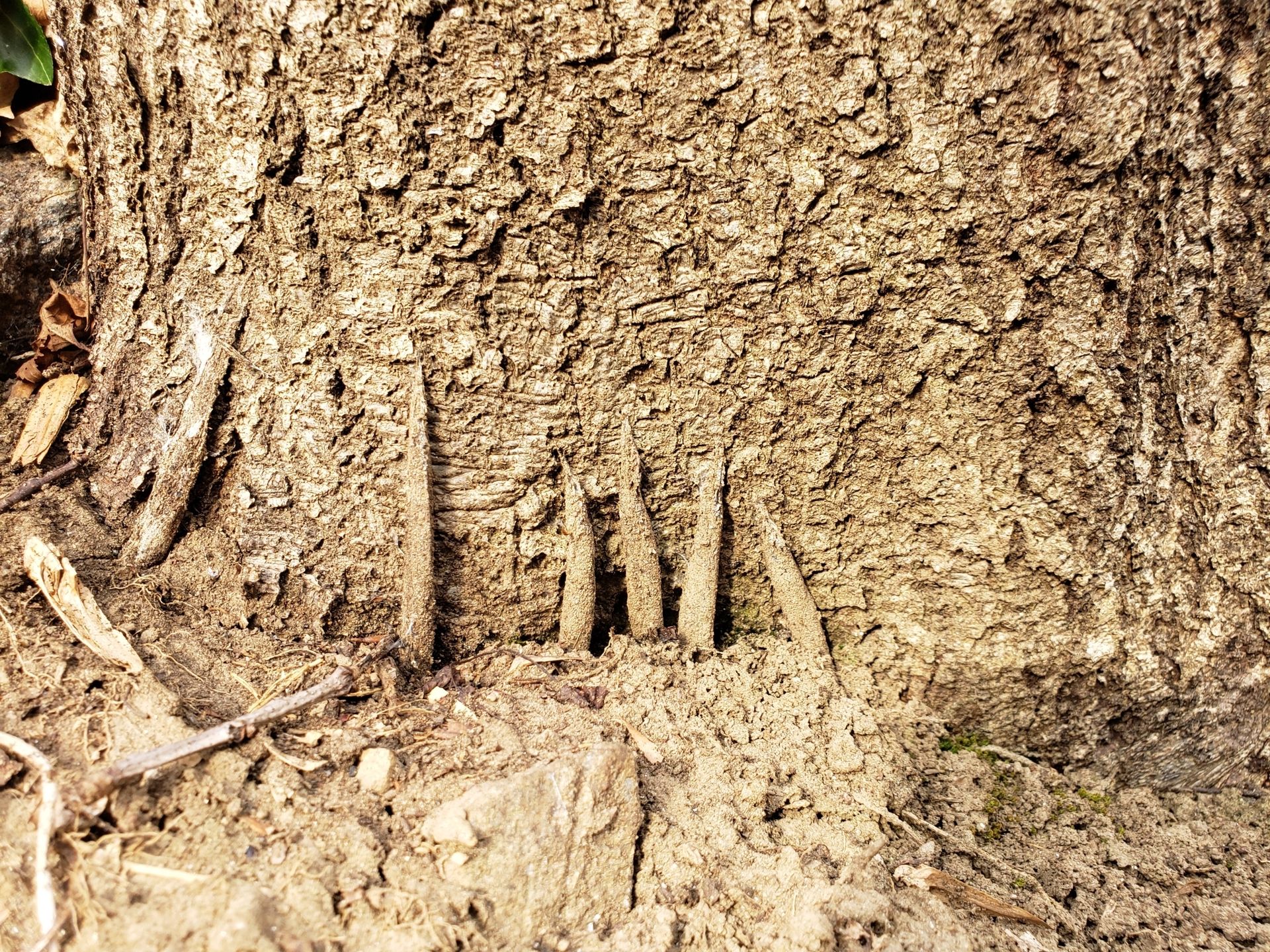
Atypus karschi is a mygalomorph spider native to East Asia (Korea, China, Taiwan, Japan) that has been introduced and established in southeastern Pennsylvania, USA. It constructs distinctive camouflaged tubular purse-webs attached to trees, shrubs, or walls, with a portion buried underground. The was previously misidentified in North America as A. snetsingeri, but genetic analysis confirmed conspecificity with Asian . It is the first documented case of an introduced purse-web spider.
Pronunciation
How to pronounce Atypus karschi: //əˈtaɪpəs ˈkɑːʃi//
These audio files are automatically generated. While they are not always 100% accurate, they are a good starting point.
Identification
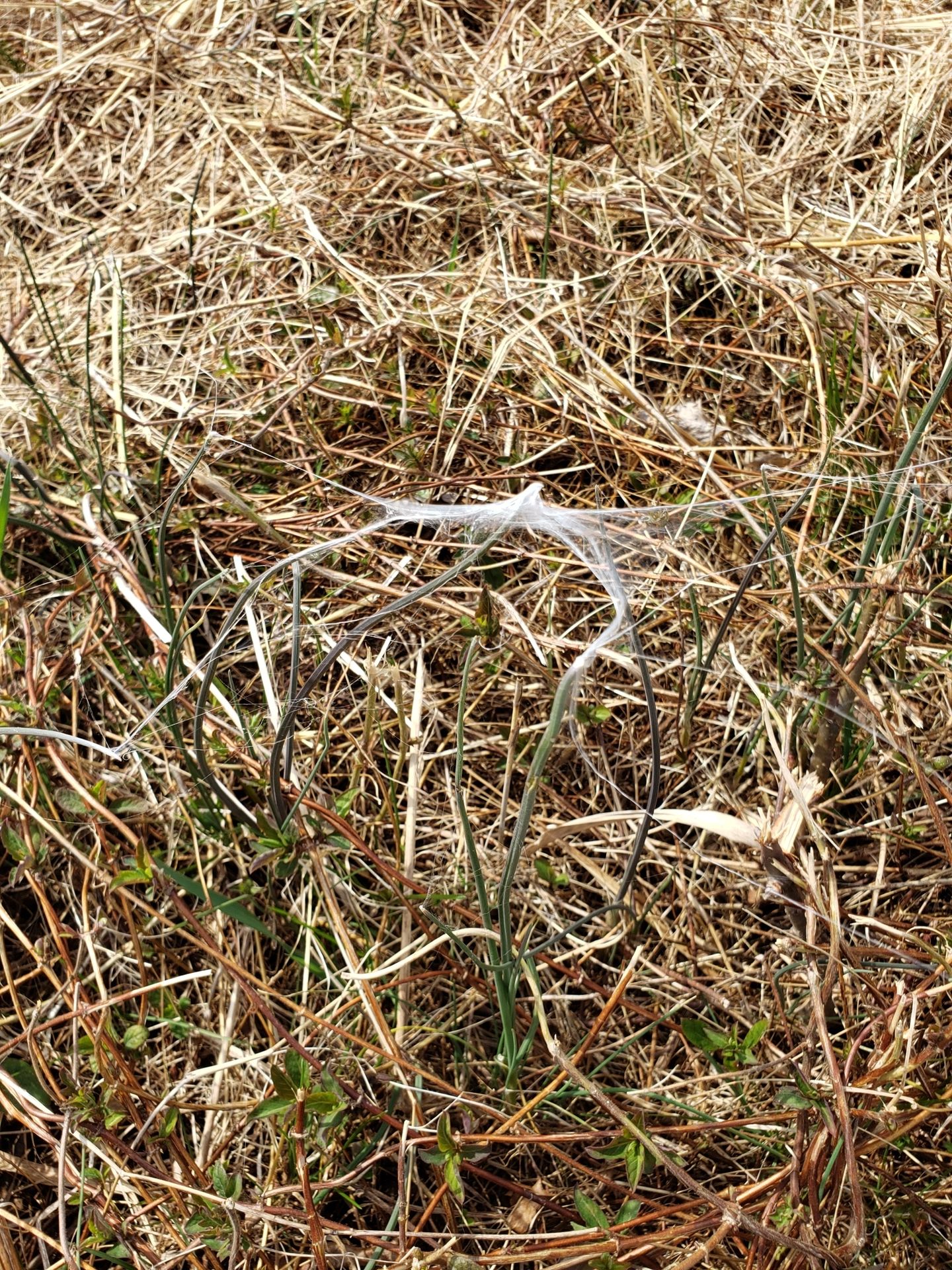
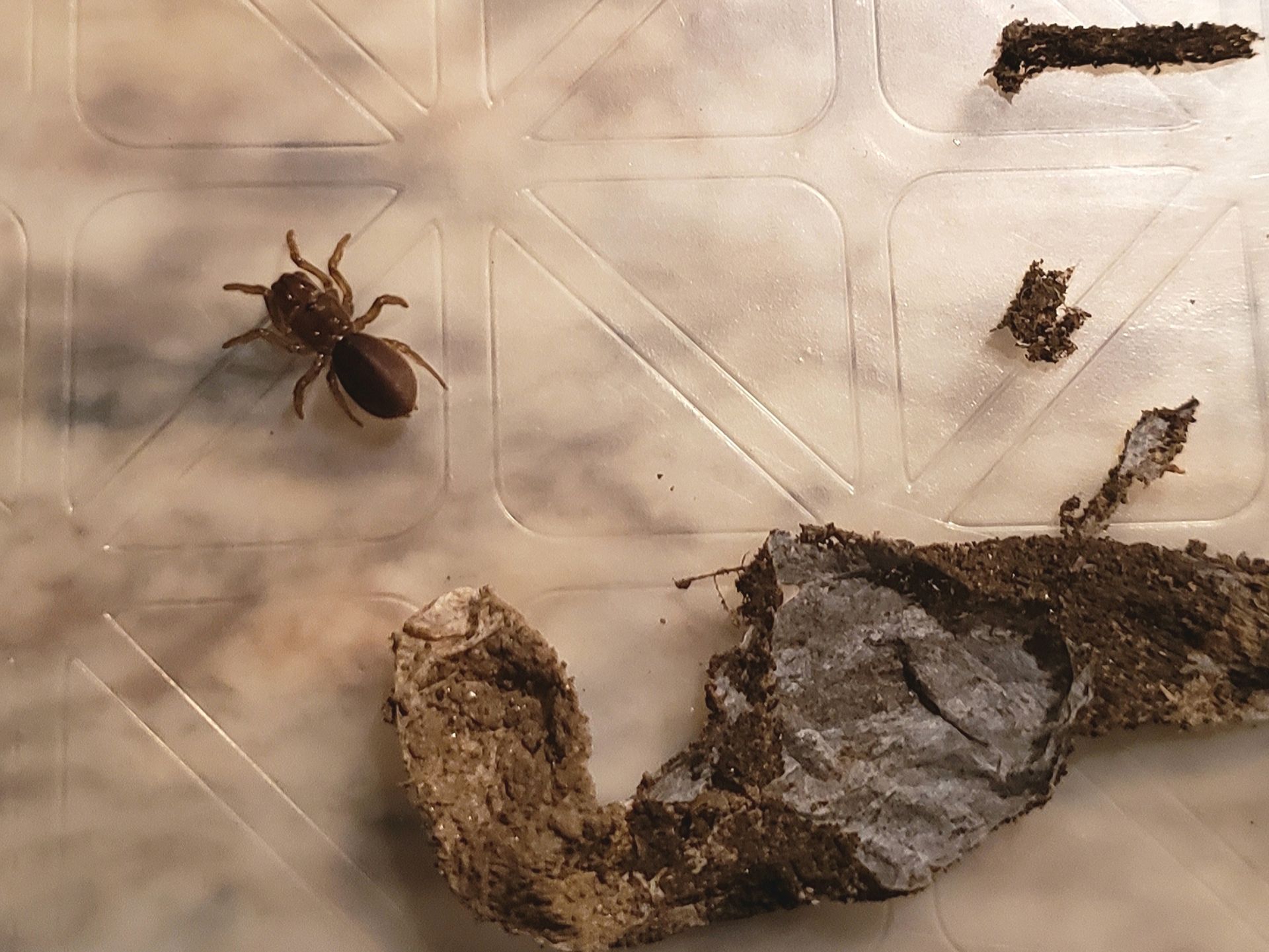
Distinguished from other Atypus by texture on male and front legs, presumably a stridulatory apparatus. Females identified by vulval . The species exhibits an X0 system with 42 in females and 41 in males. Webbing consists of vertical or horizontal silk tubes camouflaged with soil particles, leaves, and debris, typically attached to tree bases, shrubs, or walls.
Images
Habitat
Native range: fields, trees, and slopes among wooded areas, riparian zones. Introduced Pennsylvania occupy forests to suburban shrubbery, including wooded county parks along riparian corridors, fields adjacent to forest, and semi-urban areas. Tolerates wide range of soil humidity and physical parameters. Above-ground webs usually vertical and attached to base of bushes, trees, or walls; some oriented horizontally near ground.
Distribution
Native to East Asia: Korea, China, Taiwan, and Japan (including Honshu Island). Introduced and well-established in southeastern Pennsylvania, USA (Delaware County, Philadelphia area).
Seasonality
Active year-round including winter, as evidenced by weekly frequency monitoring.
Diet
Millipedes, snails, woodlice, carabid beetles, and earthworms.
Life Cycle
Males develop from to adulthood in 3 years with 8–9 after emerging from maternal web. Females develop in 3–4 years with 9–11 post-emergent molts. females live 3+ years with post-adult molts and continued web growth. Females spend entire lives within burrows; number of juveniles in excavated female webs ranges from 70 to 201. Spiderlings utilize silk for aerial (ballooning) before establishing first web—a rare among mygalomorph spiders.
Behavior
Constructs camouflaged purse-webs by decorating silk tubes with available materials such as grasses, mud, tree bark, and debris. Hunts by sensing prey on web surface, then impaling prey through silk with large downward-pointing , injecting paralytic venom, making slit to drag prey inside, and repairing tear with new silk. Uses projectile to defecate from within tube; some researchers suspect excretion creates V-shaped ground pattern to funnel prey toward tube. Males abandon burrows at maturity to wander in search of females; mating occurs within female's web.
Ecological Role
of soil-dwelling including millipedes, snails, woodlice, carabid beetles, and earthworms.
Human Relevance
Subject of citizen-science initiative "Map the Spider" in Pennsylvania to track distribution and . Introduced demonstrates successful establishment of an archaic spider in novel . analysis provided first detection of organizing regions and heterochromatin in Atypoidea.
Similar Taxa
- Atypus snetsingeriPreviously described as separate from Pennsylvania , but synonymized with A. karschi based on 100% CO1 sequence identity.
- Other Atypus speciesDistinguished by male cheliceral and leg texture (stridulatory apparatus), vulval , and deep cymbial pit characteristics; specific character combinations tabulated in taxonomic revisions.
Sources and further reading
- BugGuide
- Wikipedia
- GBIF taxonomy match
- iNaturalist taxon
- NCBI Taxonomy
- Catalogue of Life
- Atypus snetsingeri Archives - Entomology Today
- Building a Web of Connection: Spiders, Citizens, and Scientists
- Postembryonic Development and Life Cycle of Atypus karschi DOENITZ (Araneae: Atypidae).
- Atypus karschi Dönitz, 1887 (Araneae: Atypidae): An Asian purse-web spider established in Pennsylvania, USA
- Atypus karschi Dönitz, 1887 (Araneae: Atypidae): an Asian purse-web spider established in Pennsylvania, USA
- A synopsis of the genus Atypus (Araneae, Atypidae)