
Zodarion
Walckenaer, 1826
Ant Spiders
Species Guides
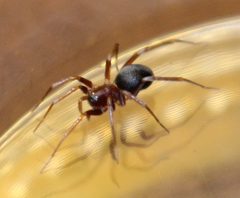
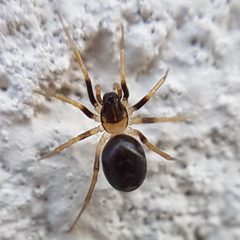
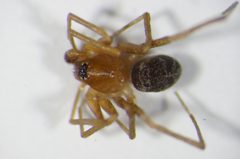
1- Zodarion rubidum(European Ant-eating Spider)
Zodarion is a of ant-eating spiders in the Zodariidae, comprising over 150 described . These spiders are specialized that employ to hunt ants, and are found across Eurasia, North Africa, and North America. They are notable for constructing distinctive igloo-shaped stone retreats for daytime shelter.
Pronunciation
How to pronounce Zodarion: //zoʊˈdɛər.i.ən//
These audio files are automatically generated. While they are not always 100% accurate, they are a good starting point.
Identification
Zodarion can be distinguished from other zodariid spiders by their obligate -eating and associated morphological adaptations. The is the largest within predominantly ant-eating spiders. Species-level identification requires detailed examination, with at least 35 species recorded from the Iberian Peninsula alone. Differentiation from similar relies on genitalic and other morphological characters typical of the Zodariidae.
Images
Appearance
Small to medium-sized spiders with adaptations for myrmecophagy (-eating). Specific morphological features vary among . Members of the Zodarion styliferum have been observed building igloo-shaped stone retreats attached to the undersides of rocks or dead wood.
Habitat
Occurs in diverse terrestrial across its range. Zodarion styliferum has been documented in Portugal, where it constructs retreats under rocks and dead wood. Specific microhabitat preferences vary by .
Distribution
Widespread across Eurasia, North Africa, and North America. The shows particular diversity in the Iberian Peninsula, with at least 35 recorded from this region alone. Distribution records include Denmark and Sweden.
Seasonality
and activity pattern; primarily active during twilight hours. Daylight hours are spent in retreat.
Diet
Obligate . All of the are compulsory ant eaters, employing —disguising themselves as ants—to facilitate hunting and prey capture.
Host Associations
- Ants - preyObligate -eating; used to approach prey
Life Cycle
Development includes , , and stages. Juveniles are vulnerable to attack. Specific details of reproductive and development are not well documented for most .
Behavior
Ecological Role
Human Relevance
Subject of taxonomic and ecological research. Some may have potential as indicators of quality given their specific microhabitat requirements.
Similar Taxa
- Other Zodariidae generaZodarion is distinguished by obligate -eating and ; other zodariids may have broader prey spectra
More Details
Parasitoid relationships
Zodarion styliferum is documented as for two : Calymmochilus dispar and Gelis apterus. These wasps attack during daylight when spiders are inactive in their retreats, penetrating igloo walls with long ovipositors. Gelis apterus larvae construct cocoons inside spider retreats; C. dispar larvae pupate without cocoons, using the spider-built shelter for protection.
Taxonomic diversity
As of November 2022, 169 were described; as of May 2017, over 150 species from Eurasia and North Africa. The represents the largest radiation of predominantly ant-eating spiders.