Mecaphesa importuna
(Keyserling, 1881)
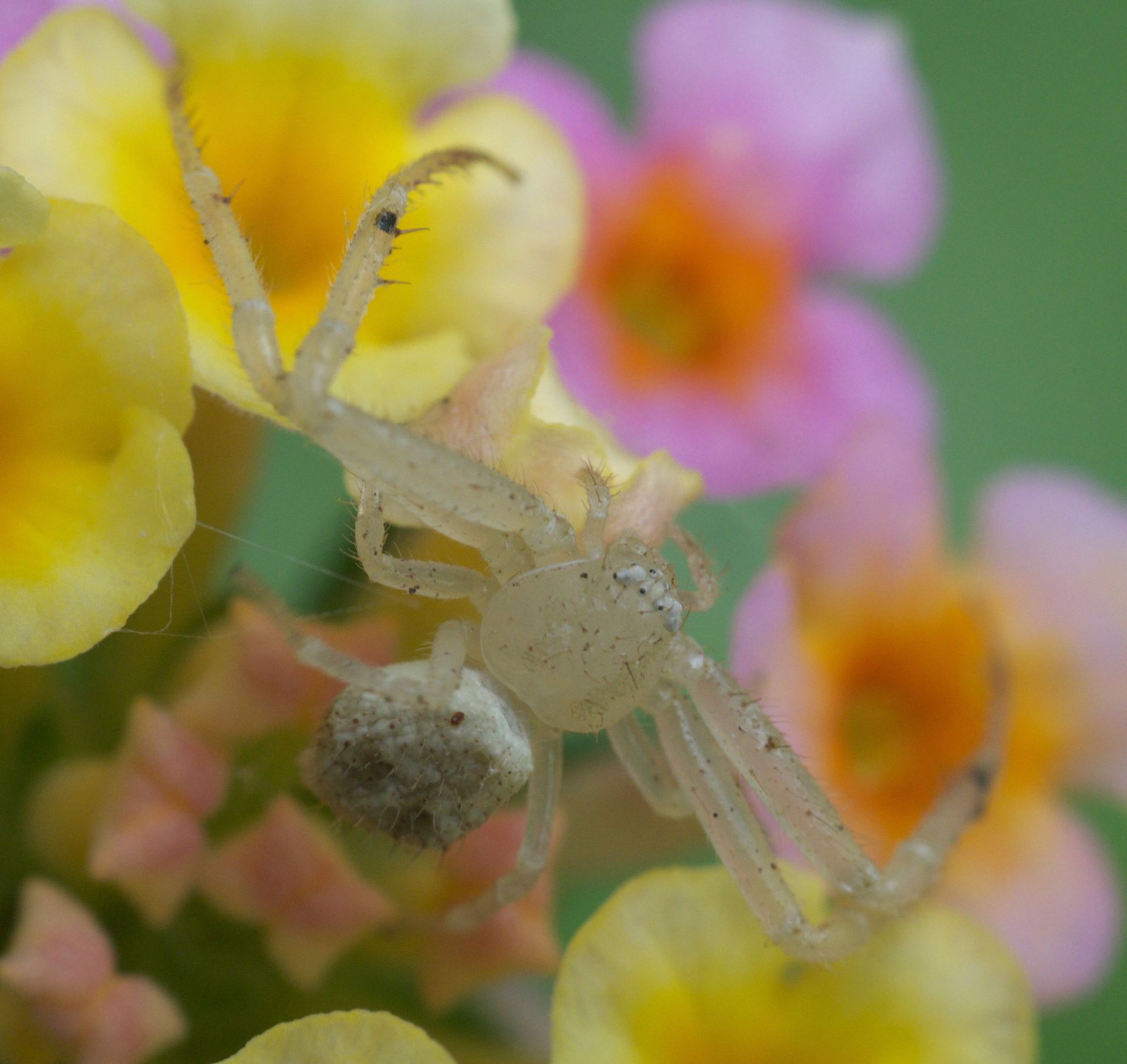
Mecaphesa importuna is a of crab spider in the Thomisidae, found in the United States. It is one of two recognized , with Mecaphesa importuna importuna being the nominate form. As a member of the Mecaphesa, it shares the characteristic crab-like body form and ambush predatory typical of this spider group. Available records indicate it has been documented in the United States, though specific ecological details remain limited in published sources.
Pronunciation
How to pronounce Mecaphesa importuna: //mɛ.kəˈfe.sə ɪmˌpɔːrˈtuː.nə//
These audio files are automatically generated. While they are not always 100% accurate, they are a good starting point.
Images
Distribution
United States. Distribution records from GBIF confirm presence in the USA, though specific state-level documentation is sparse in the provided sources.
Similar Taxa
- Mecaphesa asperataBoth are North American crab spiders in the Mecaphesa. M. asperata (northern crab spider) has been documented hunting on flowers of Spiranthes magnicamporum and Rhus aromatica, suggesting similar ambush predatory on flowering plants, though direct comparison with M. importuna is not established.
- Mecaphesa schlingeriAnother Mecaphesa found in similar ; M. schlingeri has been observed on tarweed (Madia elegans) in California, navigating sticky plant surfaces to prey on insects. This indicates shared -level adaptations for hunting on plants, though M. importuna's specific habitat use is not comparably documented.
More Details
Subspecies
Two are recognized: Mecaphesa importuna importuna (Keyserling, 1881) and Mecaphesa importuna belkini (Schick, 1965). The distinction between these subspecies is not detailed in available sources.
Taxonomic Note
The Mecaphesa was established to accommodate formerly placed in Misumena and Misumenops, reflecting revised understanding of thomisid relationships. M. importuna was originally described by Keyserling in 1881.