
Physocyclus enaulus
Crosby, 1926
cellar spider
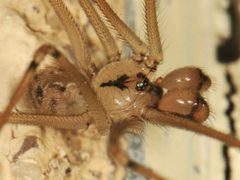
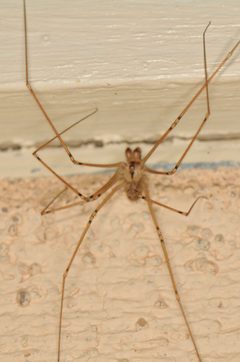
Physocyclus enaulus is a cellar spider in the Pholcidae, described by Crosby in 1926. It is known from the southwestern United States and Mexico, where it occurs in human-modified environments. The species appears to occupy an similar to the Pholcus phalangioides in this region.
Pronunciation
How to pronounce Physocyclus enaulus: //ˌfaɪ.soʊˈsaɪ.kləs ɛˈnaʊ.ləs//
These audio files are automatically generated. While they are not always 100% accurate, they are a good starting point.
Images
Habitat
Indoor environments, including corners of ceilings and other sheltered structures. Observed in bed-and-breakfast establishments and similar human dwellings.
Distribution
United States (southwestern states, including Colorado and New Mexico) and Mexico.
Seasonality
have been observed in early November in the southwestern United States, suggesting extended activity into late autumn during unseasonably warm conditions.
Behavior
Males have been observed approaching females in their webs. Multiple males may coexist near a single female's web.
Human Relevance
Occurs inside human dwellings, including commercial lodging. Likely contributes to indoor pest control by capturing flies and other insects.
Similar Taxa
- Pholcus phalangioidesBoth are cellar spiders with similar indoor habits; Physocyclus enaulus appears to replace P. phalangioides as the typical indoor cellar spider in the southwestern United States.
- Physocyclus globosusCongeneric with similar and preferences; precise distinction requires examination of male structures and other subtle characters.