Oxyopes scalaris
Hentz, 1845
Western Lynx Spider
Oxyopes scalaris, the western lynx spider, is an active hunting spider in the Oxyopidae. Unlike web-building spiders, it relies on speed, vision, and ambush tactics to capture prey on vegetation. The is considered beneficial in agricultural settings, particularly orchards, where it helps control pest . A study in Washington found it reaches adulthood and peak activity in spring and early summer.
Pronunciation
How to pronounce Oxyopes scalaris: /ˈɒksioʊpiːz skəˈlɛərɪs/
These audio files are automatically generated. While they are not always 100% accurate, they are a good starting point.
Identification
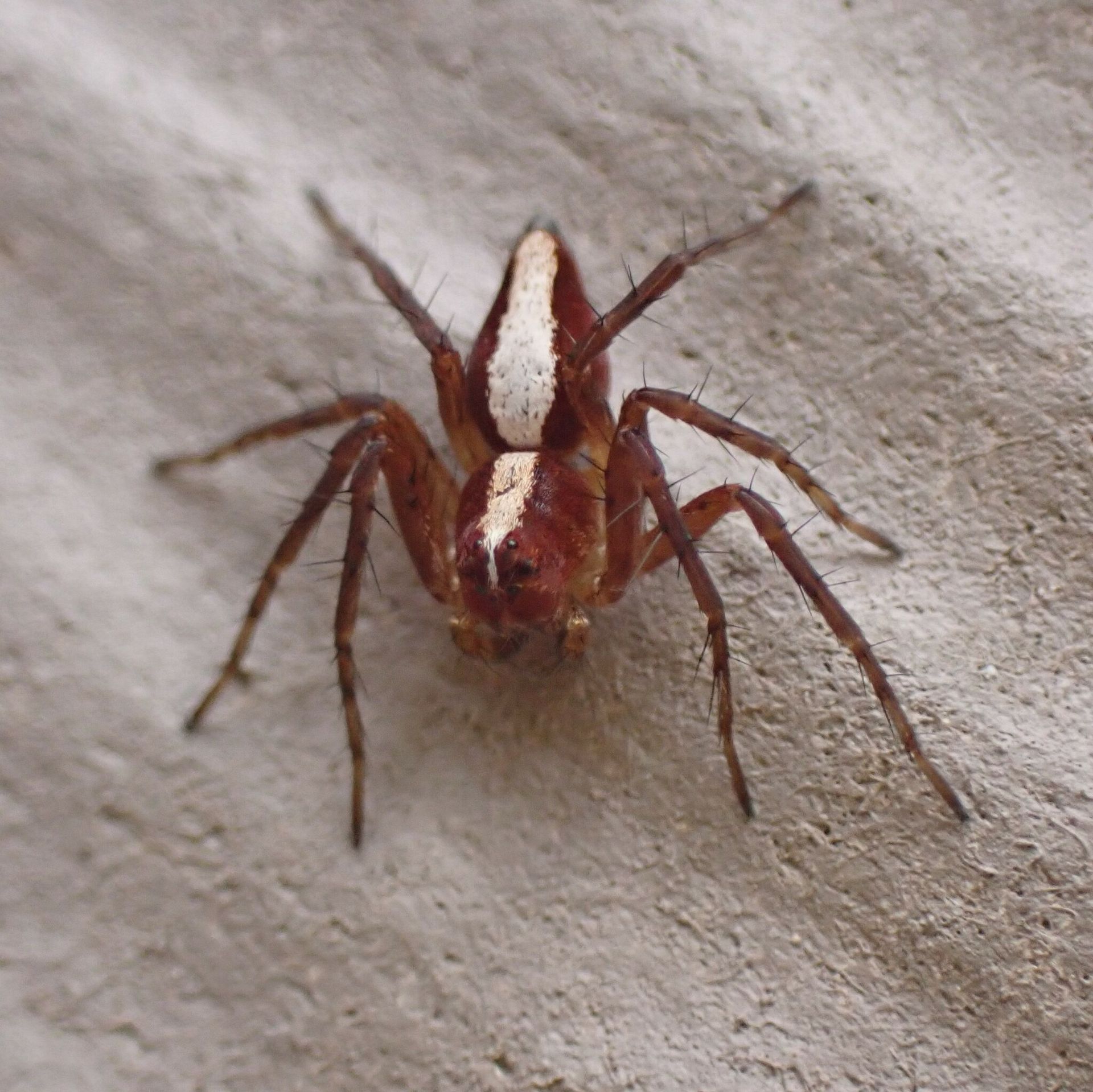
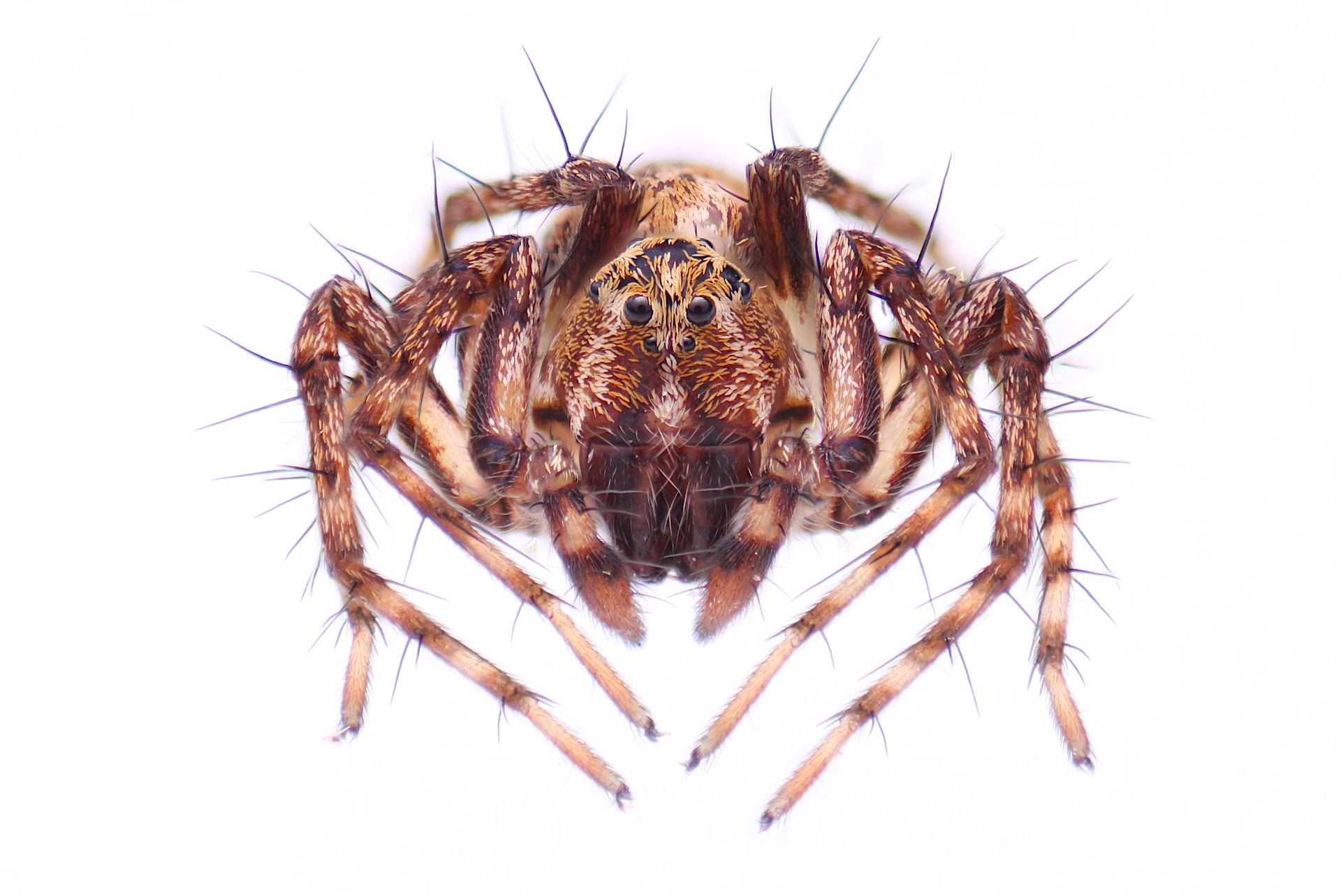
Distinguished from wolf spiders (Lycosidae) and jumping spiders (Salticidae) by the long spiny bristles on legs and high 'forehead' with characteristic arrangement. Lynx spiders have a more elongated, less robust build than jumping spiders and lack the enlarged eyes of salticids. Unlike wolf spiders, they hunt primarily on vegetation rather than the ground. The spiny leg basket is unique to Oxyopidae among common spiders.
Images
Appearance
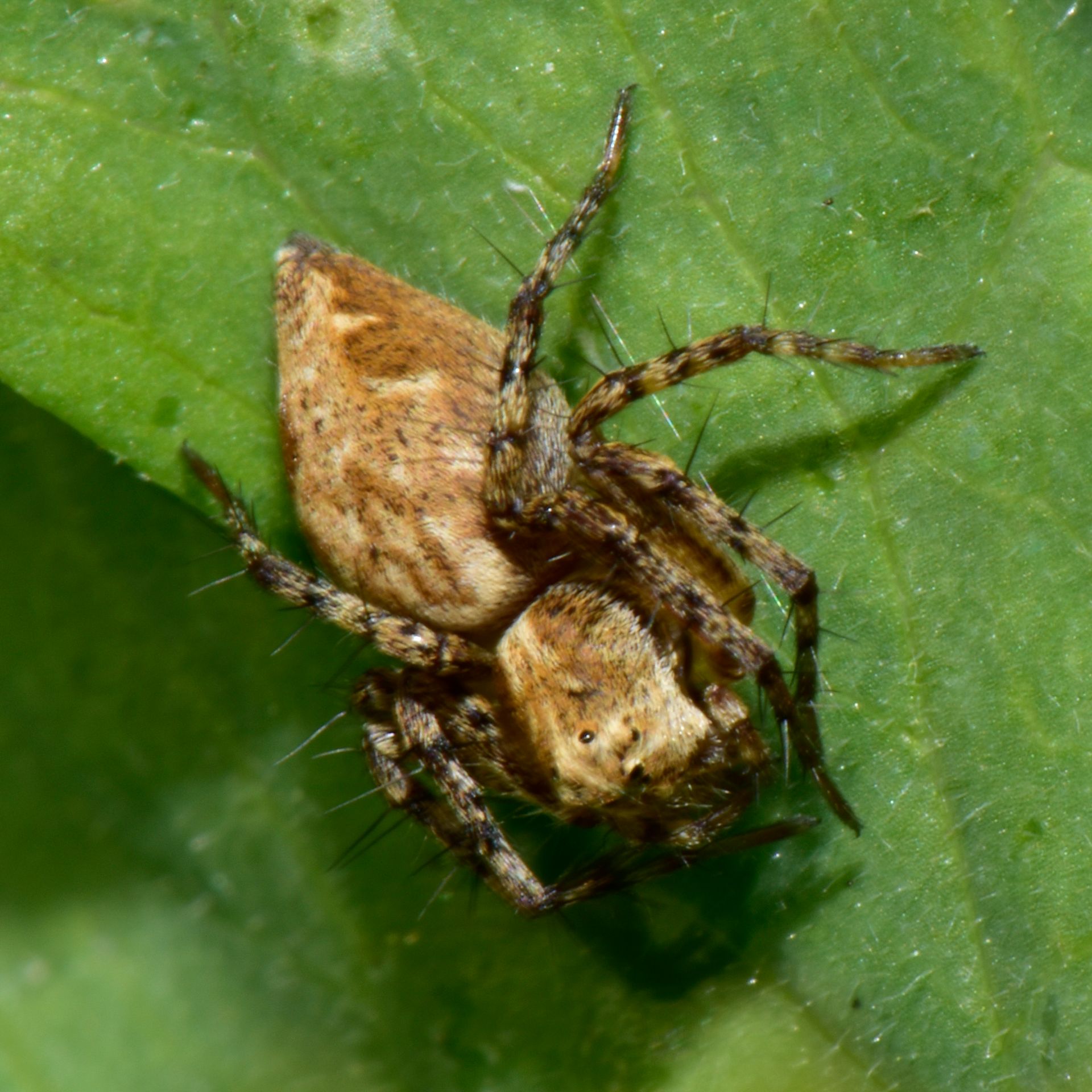
Lynx spiders possess long, slender legs armed with prominent spines that form a basket-like cage around the body. They have a high, flattened with arranged in a distinctive pattern. The body is typically marked with longitudinal stripes. Spiny bristles on the legs are a key characteristic.
Habitat
Found on plants, trees, and bushes where it lies in wait for prey. Inhabits vegetation in various settings including orchards, fields, and natural areas with suitable plant structure.
Distribution
North America. Records include Canadian provinces: Alberta, British Columbia (present), Manitoba (present). Specific U.S. distribution not detailed beyond general North American range.
Seasonality
Reaches adulthood and is most active in spring and early summer, based on a study in Washington. Activity period may vary with latitude.
Diet
Active capturing prey on vegetation. Prey likely includes various insects encountered on plants; specific prey records not found for this . Related species Oxyopes salticus is known to prey on plant bugs, fleahoppers, budworms, bollworms, and mosquitoes.
Life Cycle
Females use silk to create sacs, which they guard. Safety lines are used for movement. No web is spun for prey capture. Detailed stages not described in sources.
Behavior
Active hunter that runs and leaps with good vision. Hunts by lying in wait on vegetation rather than on the ground. Uses silk for safety lines and sacs but does not build capture webs. Fast runner capable of pouncing on prey.
Ecological Role
in plant-dwelling . Considered beneficial in orchards, suggesting role in of pest insects.
Human Relevance
Considered beneficial in agricultural settings, particularly orchards, where its predatory activity helps control pest . No negative interactions with humans reported.
Similar Taxa
- Oxyopes salticus (Striped Lynx Spider)Similar appearance and ; distinguished by geographic distribution (O. salticus more eastern and southern, scarce in Rocky Mountains and Great Basin where O. scalaris occurs)
- Wolf spiders (Lycosidae)Similar active hunting ; distinguished by ground-dwelling habit, different arrangement, and lack of prominent leg spines
- Jumping spiders (Salticidae)Similar active hunting and good vision; distinguished by enlarged , stockier build, and jumping-based hunting strategy
More Details
Silk use
Unlike web-building spiders, O. scalaris uses silk only for non-prey purposes: safety lines during movement and sac construction.
Hunting adaptation
The basket-like cage formed by long spiny bristles on the legs may assist in prey capture and provide protection.