
Stemonyphantes
Menge, 1866
Species Guides
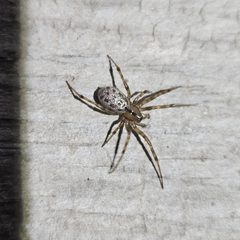
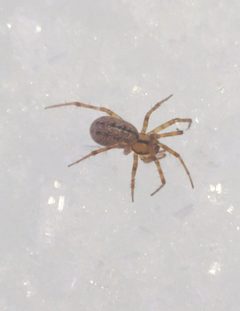
1Stemonyphantes is a of sheet-weaving spiders in the Linyphiidae, first described by Anton Menge in 1866. The genus comprises approximately 20 distributed across the Palearctic region, with some species extending into North America. As members of Linyphiidae, they construct flat, horizontal sheet webs for prey capture. The type species, Stemonyphantes lineatus (Linnaeus, 1758), is widespread across Europe and into Central Asia.
Pronunciation
How to pronounce Stemonyphantes: //ˌstɛm.əˌnɪfˈæn.tiːz//
These audio files are automatically generated. While they are not always 100% accurate, they are a good starting point.
Identification
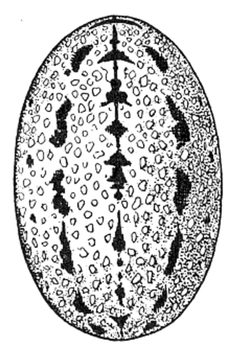
Stemonyphantes are small linyphiid spiders requiring microscopic examination for definitive identification. The can be distinguished from related sheet-weaving genera by genitalic characters, particularly male and female epigynal structures. Species-level identification relies on detailed examination of these structures and leg spination patterns. External alone is insufficient for reliable identification to species.
Images
Habitat
in this occupy diverse terrestrial across their broad geographic range. Available records indicate occurrence in grassland, forest edge, and alpine meadow habitats. Specific microhabitat preferences vary by species, with some restricted to montane regions.
Distribution
The has a primarily Palearctic distribution, with records from Europe through Central Asia to Siberia, Mongolia, and China. Disjunct occur in Turkey, Iran, and the Caucasus region. Two , S. blauveltae, extend into North America (USA and Canada).
Behavior
As sheet-web weavers, in this construct horizontal sheet webs with a retreat at one edge or beneath the sheet. The web lacks the aerial tangle typical of some other linyphiid genera. Prey interception occurs on the sheet surface.
Ecological Role
Stemonyphantes function as small in ground-layer and vegetation . Their sheet webs contribute to local arthropod through on small flying and crawling insects.
Human Relevance
No significant direct interactions with humans are documented. The has no known economic importance, medical significance, or conservation priority status.
Similar Taxa
- LinyphiaBoth are sheet-web weaving linyphiids, but Linyphia constructs webs with a more prominent aerial tangle above the sheet and differs in genitalic .
- NerieneSimilar web architecture and body form; distinguished by differences in male structure and female epigyne configuration.
- BathyphantesOverlapping preferences and geographic range; separation requires examination of genitalic and somatic characters.
More Details
Taxonomic History
The was established by Anton Menge in 1866 based on European material. The type , Stemonyphantes lineatus, was originally described by Linnaeus in 1758 as Aranea lineata, making it one of the older described spider species. Recent taxonomic work has expanded the genus through description of new species from Central Asia, particularly by Dmitri Tanasevitch and colleagues.
Species Richness
As of 2021, the contains 20 recognized , with the majority described from Central Asian localities. The high concentration of species in Kyrgyzstan, Kazakhstan, and adjacent regions suggests a center of diversity in the mountains of Central Asia.