
Ornithodoros
Koch, 1837
Mammal Soft Ticks
Species Guides
1- Ornithodoros turicata(relapsing fever tick)
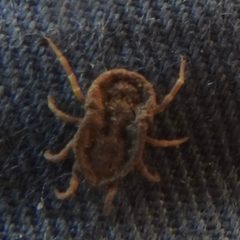
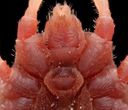
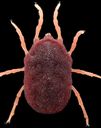
Ornithodoros is a of soft-bodied ticks in the Argasidae, containing approximately 48 across four subgenera. These ticks are distinguished from other genera by the absence of a lateral line on the body. They are obligate hematophages that parasitize shelter-seeking vertebrates, including mammals, birds, reptiles, and humans. Several species are medically significant as of -borne and Virus.
Pronunciation
How to pronounce Ornithodoros: /ˌɔrnɪˈθoʊdɔrəs/
These audio files are automatically generated. While they are not always 100% accurate, they are a good starting point.
Identification
Images
Habitat
Associated with shelters, nests, and burrows used by vertebrates. occur in diverse environments worldwide, with highest documented occurrence in the . Microhabitats include animal nests, burrows, caves, and human dwellings where hosts rest or den.
Distribution
Worldwide distribution, with highest and occurrence in the . Individual ranges vary; some are geographically restricted while others span multiple continents.
Diet
Obligate ; all life stages feed exclusively on blood from vertebrate .
Host Associations
- mammals - primary for most
- birds - reflected in etymology
- reptiles - documented group
- humans - incidental for some
Life Cycle
Parasitic requiring one or multiple . Larvae hatch and seek a host for initial blood meal, feeding for hours to days before detaching and molting to nymph. Nymphs pass through up to seven instars, each requiring a blood meal and . feed multiple times and may reproduce repeatedly. Some exhibit autogeny ( production without blood meal). Mating and molting occur in proximity to host shelters such as nests. Lifespan of some species extends up to ten years.
Behavior
feeding habits with rapid attachment and short-duration blood meals compared to hard ticks. Remains in shelter near between feedings rather than questing in vegetation. Some can survive extended periods without feeding.
Ecological Role
of blood-borne between vertebrate . Role in nest-dwelling as nest ; linked to host shelter use patterns.
Human Relevance
of -borne caused by Borrelia , a significant human in parts of Africa, Asia, and the Americas. Transmit Virus to domestic pigs and wild boars, causing severe economic losses in swine production. Bites may cause local irritation and secondary . Some species associated with human dwellings and livestock shelters.
Similar Taxa
More Details
Etymology
Name derives from Greek ornithos (ὄρνιθος, 'bird') and doros (Δωρόν, 'gift'), reflecting early observations of bird .
Taxonomic history
Originally described under Argas; reclassified as distinct genus in 1844. Currently comprises four subgenera: Microargas, Ornamentum, Ornithodoros, and Pavlovskyella.
Physiological note
Lacks opening between and , preventing of digestive waste products from the body.