Platypezidae
Flat-footed Flies
Subfamily Guides
3- Callomyiinae
- Melanderomyia
- Platypezinae(flat-footed flies)
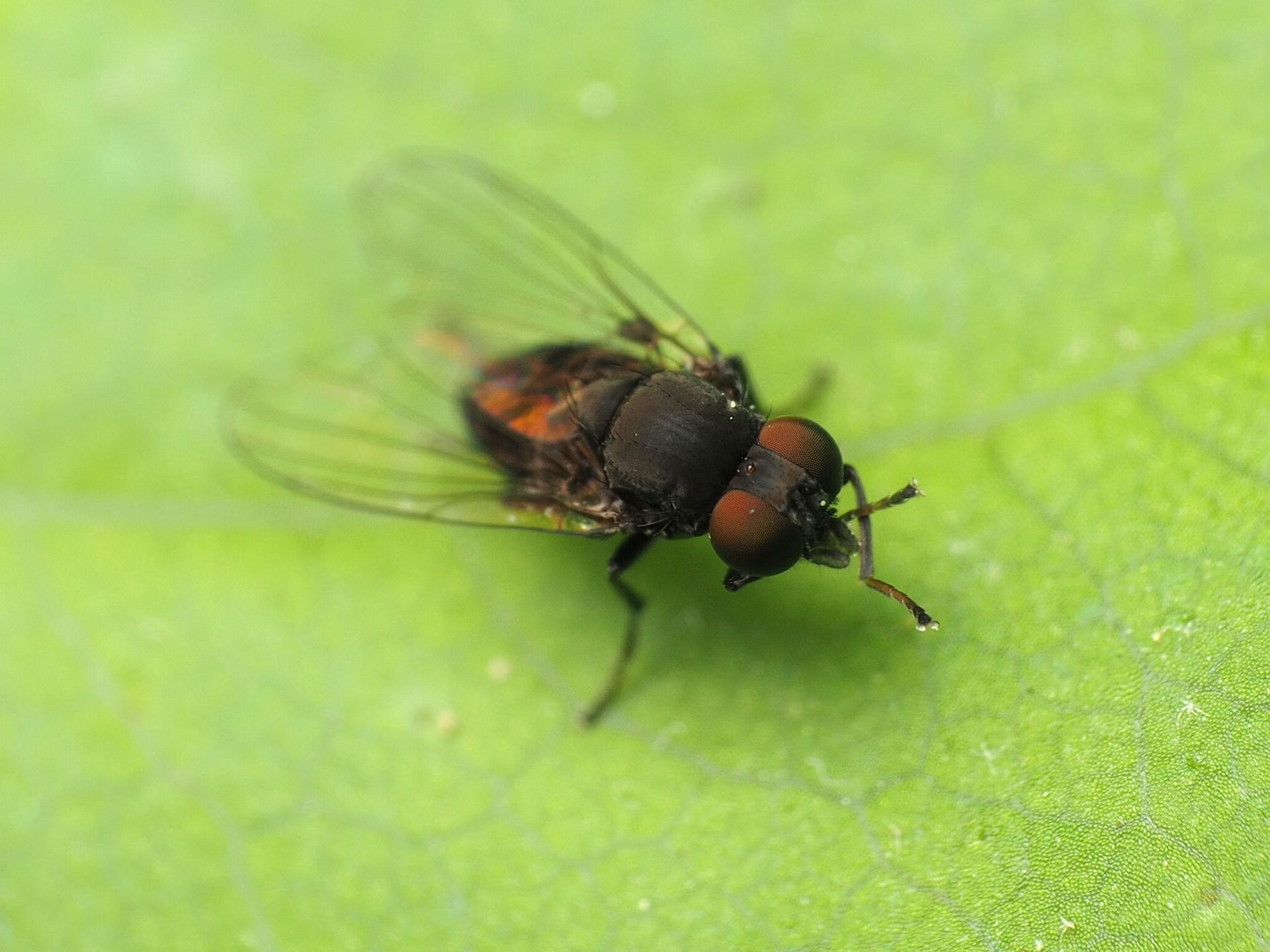
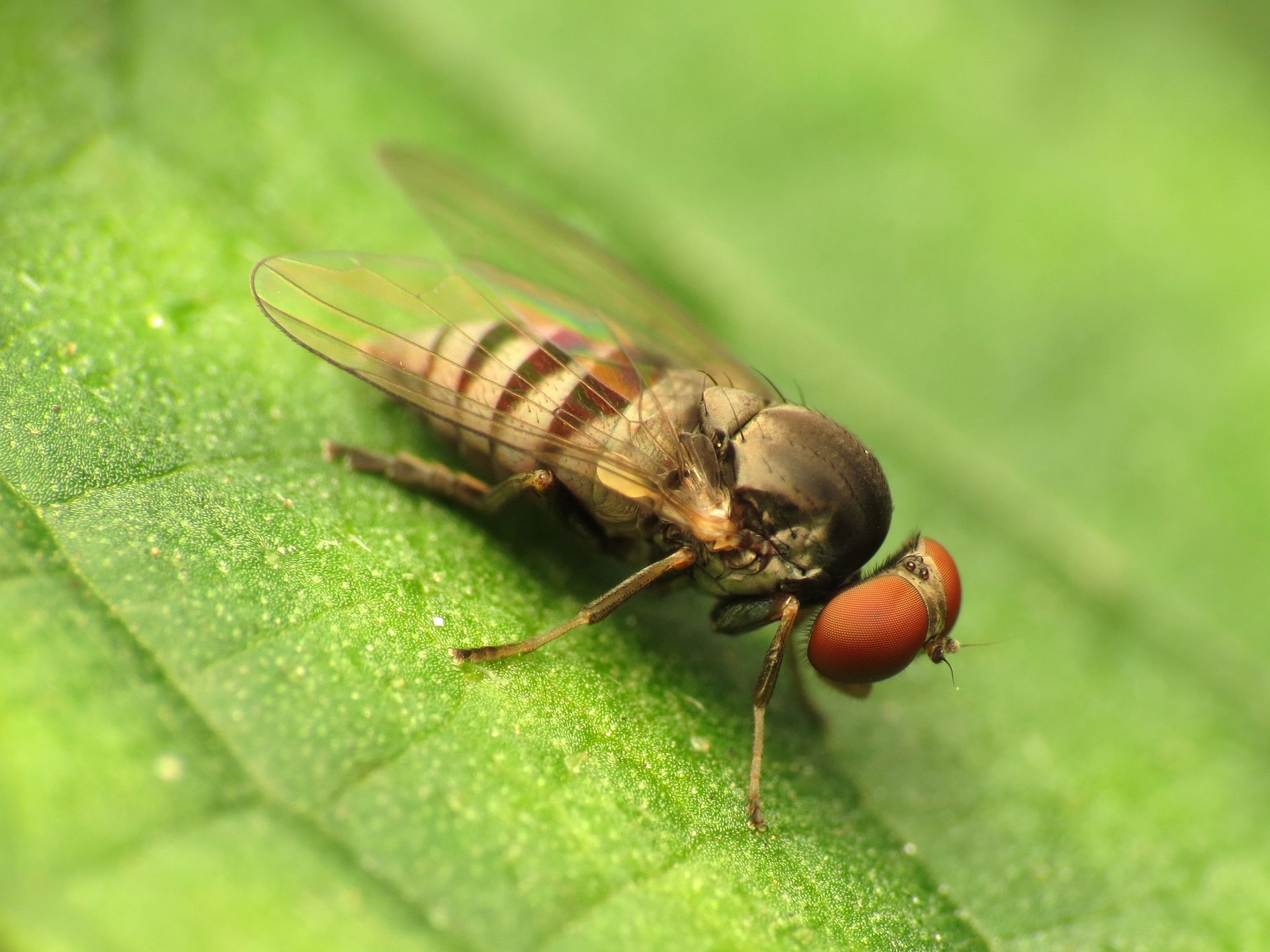
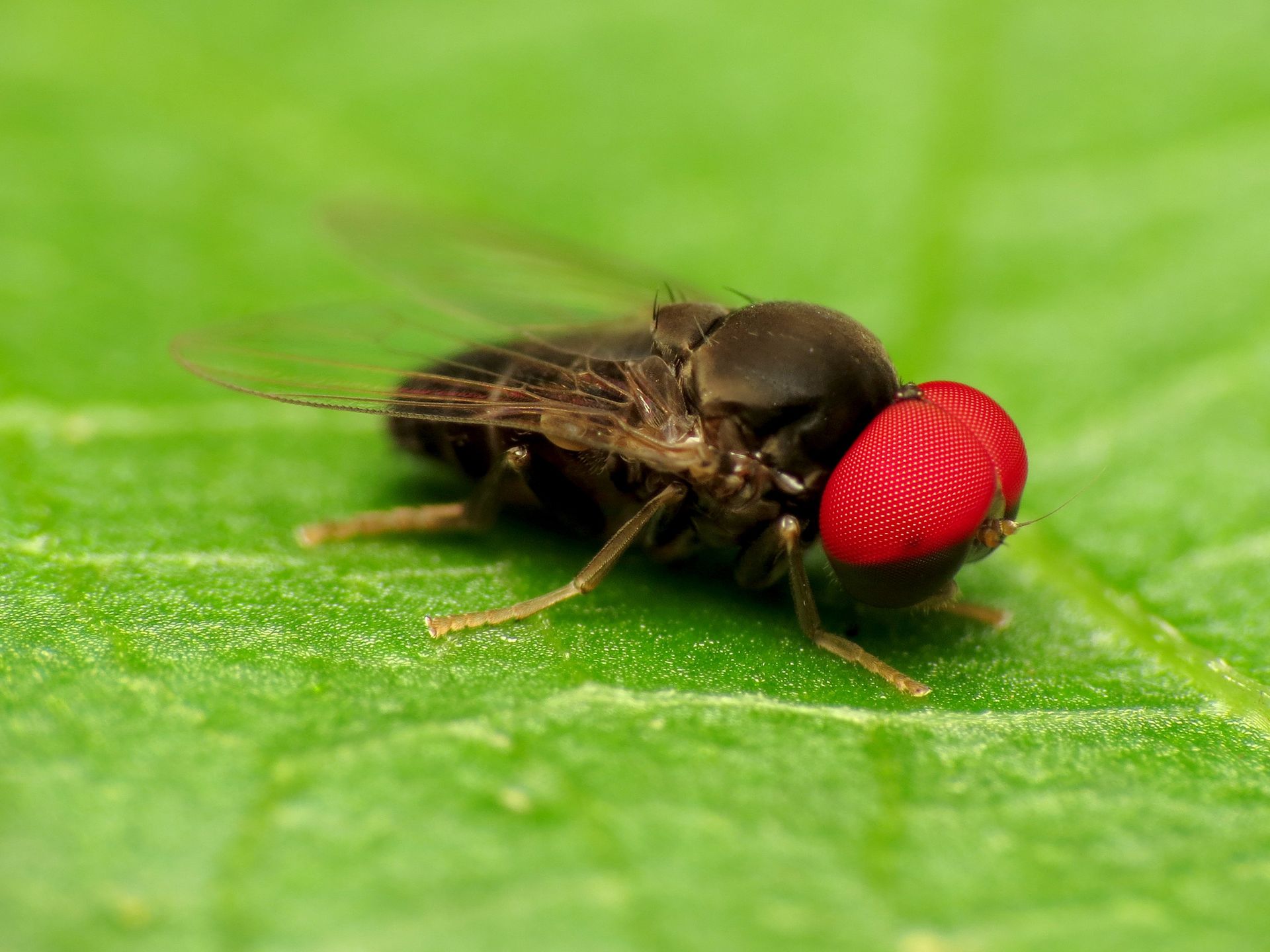
is a of small true flies (Diptera) comprising over 250 worldwide. are commonly known as flat-footed flies due to their characteristically modified tarsal segments, particularly in males. The family is primarily associated with woodland where larvae develop as fungivores. Adults exhibit distinctive swarming for mating and are frequently observed performing rapid, erratic movements on vegetation. The family was formerly broader in circumscription, with and some now placed in Atelestidae removed based on phylogenetic evidence.
Pronunciation
How to pronounce Platypezidae: //ˌplætəˈpɛzɪˌdiː//
These audio files are automatically generated. While they are not always 100% accurate, they are a good starting point.
Identification
Minute to medium-sized flies (1.5–6 mm), slender to robust in build. in coloration is common: males often entirely black, while either sex may be partially or wholly grey or yellow with orange, grey, or silver markings; frequently bicolored. Males possess . three-segmented with third segment largest, bearing long . Wing clear or tinged, with darkening along margin around Sc and R1 in some ; large anal lobe present with anal vein reaching margin; cup acute and often elongate; vein M forked in most genera; crossvein DM-Cu present (absent in Microsania, which also lacks R-M). Legs short and robust: first tarsal segment swollen in males, slender in females; segments cylindrical (Callomyiina) or laterally compressed (Platypezinae, especially females). Hind leg first tarsal segment long and cylindrical in Callomyiina, short and laterally compressed in Platypezinae.
Images
Habitat
Primarily damp woodlands and forested areas. Larvae are xylobiont, developing in decaying wood and associated fungal substrates. found in partially sunlit, dappled shade of forest understory, often on broad leaves of woody and herbaceous plants. Some occupy cave .
Distribution
Worldwide distribution with greatest diversity in temperate regions. Documented from the Palaearctic (including Europe, Russia), Nearctic (North America, with some transcontinental), Oriental, Australasian/Oceanian, and Ethiopian zoogeographic regions. Specific regional records include Slovakia, Romania, Japan, and Vermont (USA).
Seasonality
activity bimodal within single day: morning feeding beginning at midmorning, ceasing before midday; afternoon feeding resuming when sun angle matches morning rest initiation angle. Midday rest period corresponds to peak activity of insectivorous birds. Specific seasonal patterns vary by latitude and .
Diet
Larvae are obligate fungivores, feeding on fungal substrates in decaying wood. feed on surface deposits on leaves, including honeydew and other exudates; feeding involves rapid movement across leaf surfaces with brief pauses for ingestion.
Life Cycle
Larva with poorly differentiated, weakly sclerotized ; short -like above palpi; 11 body segments. Amphipneustic ( and pairs only). Body form flattened or cylindrical; lateral marginal processes typically one pair per segment (multiple on segments 2 and 11); smaller processes on segments 3–10. Bristles present on segments 3–10, absent on 1, 2, and 11. Spiracles on wrinkled tube-like processes: anterior pair on segment 1, posterior on segment 11. and stages not described in available sources.
Behavior
males form aerial swarms prior to mating, using trees or bushes as swarm markers. Females approach swarms for mate selection; aerial coupling followed by settlement on low bushes with opposed until mating completion. Adults exhibit rapid, erratic running movements on leaves when not in . Some of Microsania attracted to wood smoke and wood ash. Feeding and swarming activity timed to avoid avian peaks.
Ecological Role
Larvae function as decomposers in woodland through in decaying wood. Several considered significant for conservation due to stenotopic requirements and rarity; nine species in Slovak fauna noted as endangered, stenotopic, or generally rare.
Similar Taxa
- OpetiidaeFormerly included within ; shares 'flat-footed flies' and superficially similar , but now recognized as distinct based on phylogenetic evidence
- AtelestidaeSome formerly placed in now recognized as unrelated asilomorphs and transferred to this ; distinguished by different phylogenetic affinities and morphological features
Sources and further reading
- BugGuide
- Wikipedia
- GBIF taxonomy match
- iNaturalist taxon
- NCBI Taxonomy
- Catalogue of Life
- Figures 17–18 from: Tkoc M, Roháček J (2014) Diversity, distribution and biology of Romanian flat-footed flies (Diptera, Opetiidae and Platypezidae) with taxonomic notes on Callomyia saibhira Chandler. ZooKeys 459: 95-118. https://doi.org/10.3897/zookeys.459.8376
- The fauna of Opetiidae and Platypezidae (Diptera) in the Gemer region (Central Slovakia)
- The flat-footed fly genus Seri Kessel & Kessel (Diptera: Platypezidae)
- On biology of xylobiont platypezid larvae of the genus Callomyia (Diptera, Platypezidae)