Callomyiinae
Callomyiinae
Classification
- Phylum: Arthropoda
- Subphylum: Hexapoda
- Class: Insecta
- Order: Diptera
- Superfamily: Platypezoidea
- Family: Platypezidae
- Subfamily: Callomyiinae
Pronunciation
How to pronounce Callomyiinae: /kæˌloʊmaɪˈaɪniː/
These audio files are automatically generated. While they are not always 100% accurate, they are a good starting point.
Images
Summary
Callomyia is a diverse genus of slender flies within the Platypezidae family, known for their specialized habitats and feeding behaviors. Several species are described, and they play a role in their ecosystems as pollinators and decomposers.
Physical Characteristics
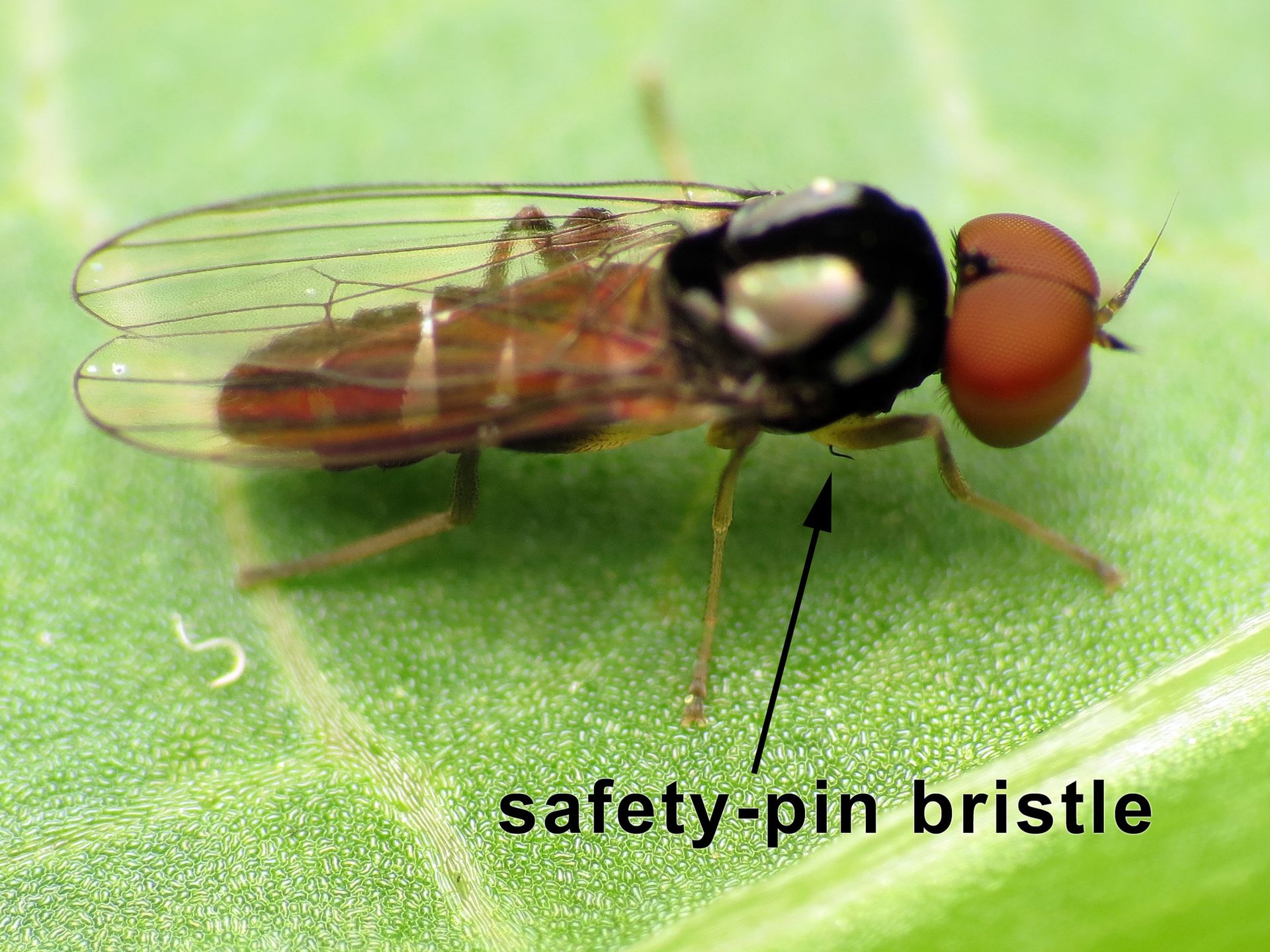
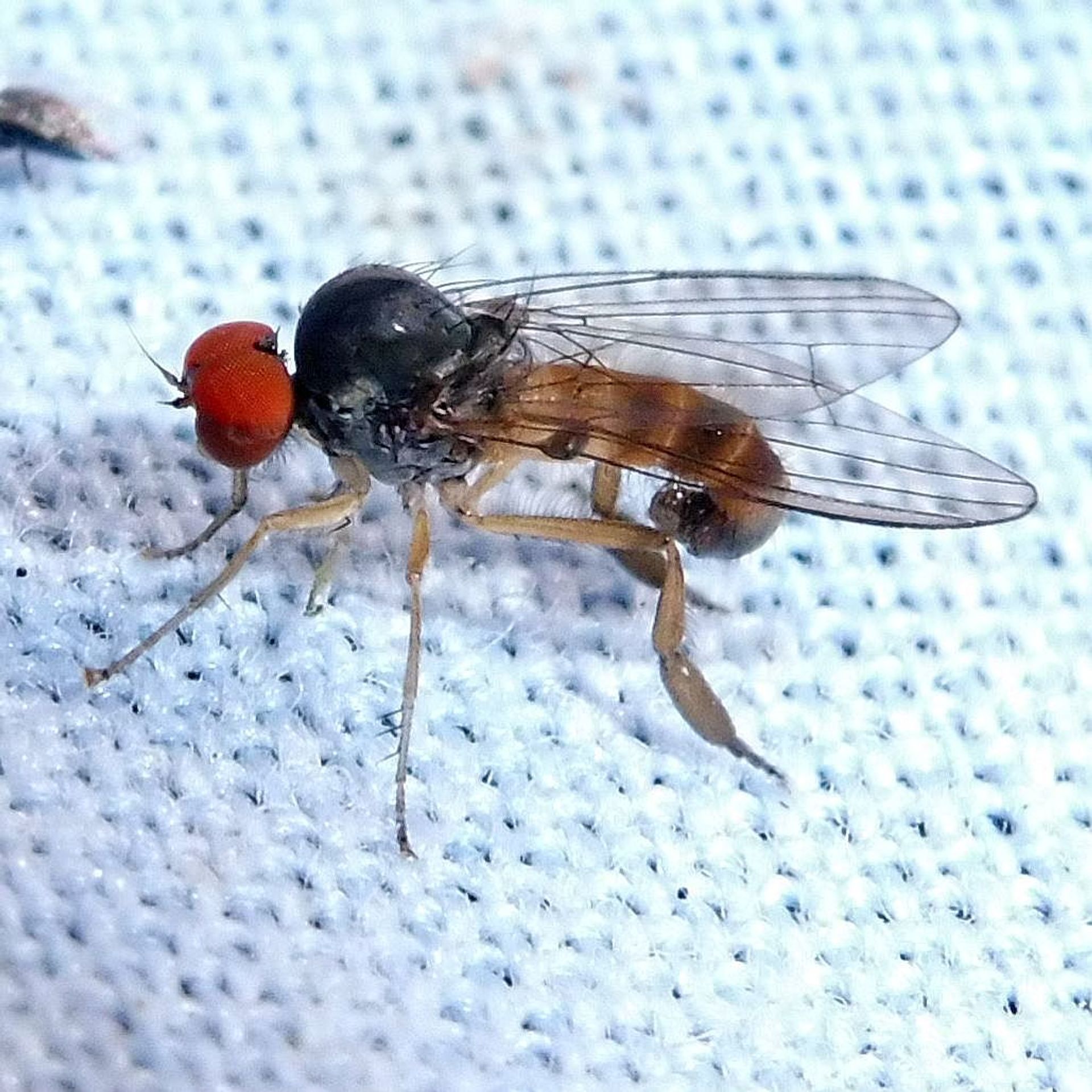
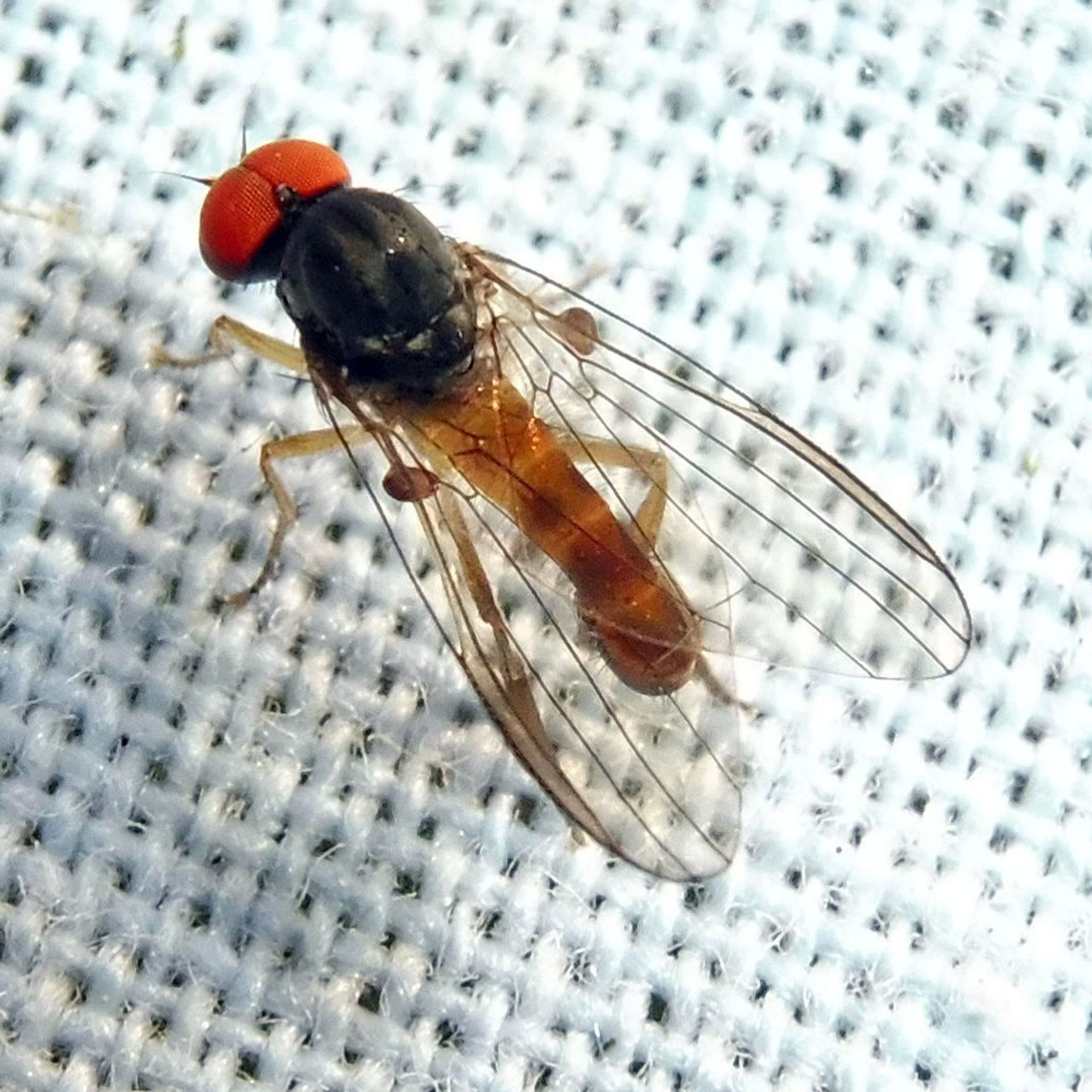
Flies in the genus Callomyia typically have a slender body and long legs, often with distinctive coloration and markings that can vary between species.
Identification Tips
Look for slender-bodied flies with elongated legs. Species are often identified by specific wing patterns, body coloration, and size. Many species exhibit sexual dimorphism, where males and females have differing characteristics.
Habitat
These flies are often found in moist or damp environments, such as near streams, ponds, or wet wooded areas.
Distribution
Some species of Callomyia can be found in Belgium, indicating a presence in diverse habitats across Europe.
Diet
Adult flies in the genus Callomyia are believed to feed primarily on nectar and other sugary substances, while larvae are often associated with decaying organic matter.
Life Cycle
The life cycle of Callomyia involves complete metamorphosis, with distinct egg, larval, pupal, and adult stages. The specifics can vary significantly among species.
Reproduction
Mating behavior may vary, but like other Diptera, it typically involves a courtship display. Females lay eggs in suitable environments, usually where larvae can find food.
Ecosystem Role
Callomyia species can contribute to the pollination of plants and may play a role in the decomposition process as larvae feed on organic matter.
Collecting Methods
- Netting adults during their active season (usually during warm months)
- Light trapping can be effective for nocturnal species.
Preservation Methods
- Pin mounting
- Alcohol preservation for specimens
- Drying and storing in silica gel for morphological studies.
Evolution
Part of the Platypezidae family, Callomyia's evolution includes adaptations to various ecological niches. They represent a diverse group with many described species that reflect evolutionary changes over time.
Similar Taxa
- Platypeza
- Cosmocomoides
- Muchomorina
Misconceptions
Some may confuse Callomyia with more common fly species due to the general appearance of flies within the Diptera order.
Tags
- Diptera
- Platypezidae
- Callomyiinae
- Entomology
- Insect Diversity