Pseudopolydesmus
Attems, 1898
Pink Flat-backs
Species Guides
6- Pseudopolydesmus canadensis(Canadian Flat-back Millipede)
- Pseudopolydesmus collinus(Rolling Hills Flat-back)
- Pseudopolydesmus erasus
- Pseudopolydesmus paludicolus
- Pseudopolydesmus pinetorum
- Pseudopolydesmus serratus(Common Pink Flat-back)
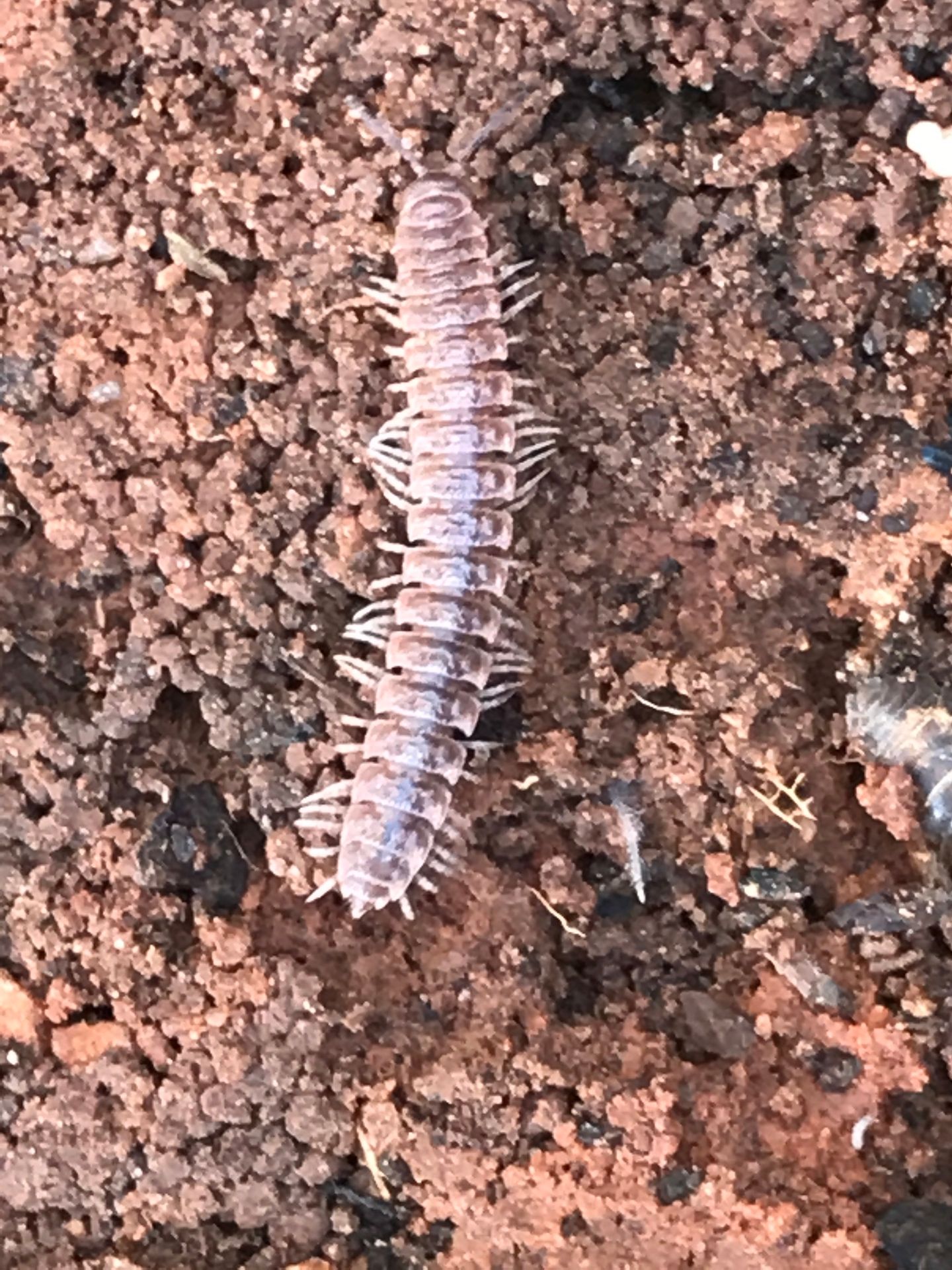
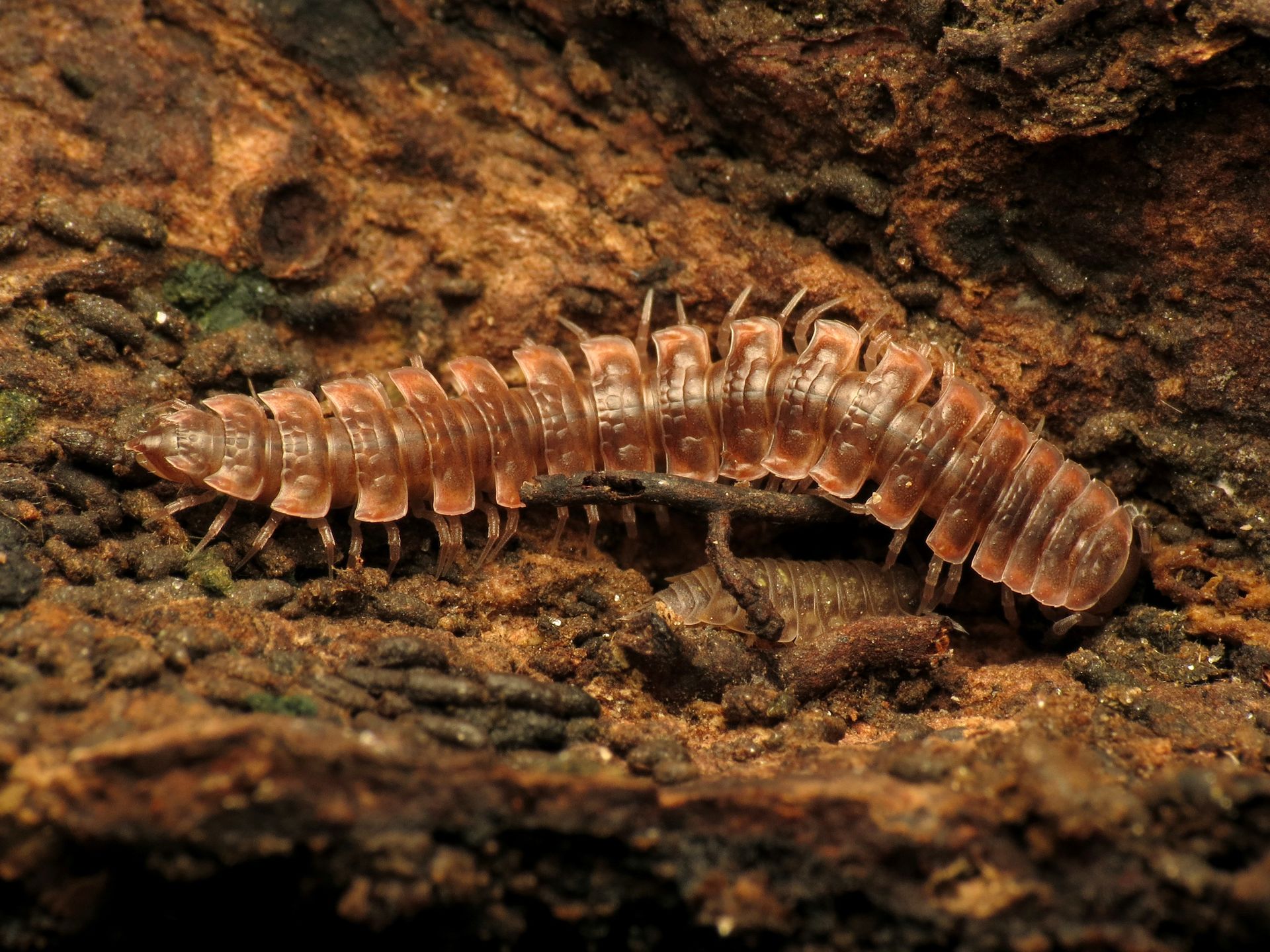
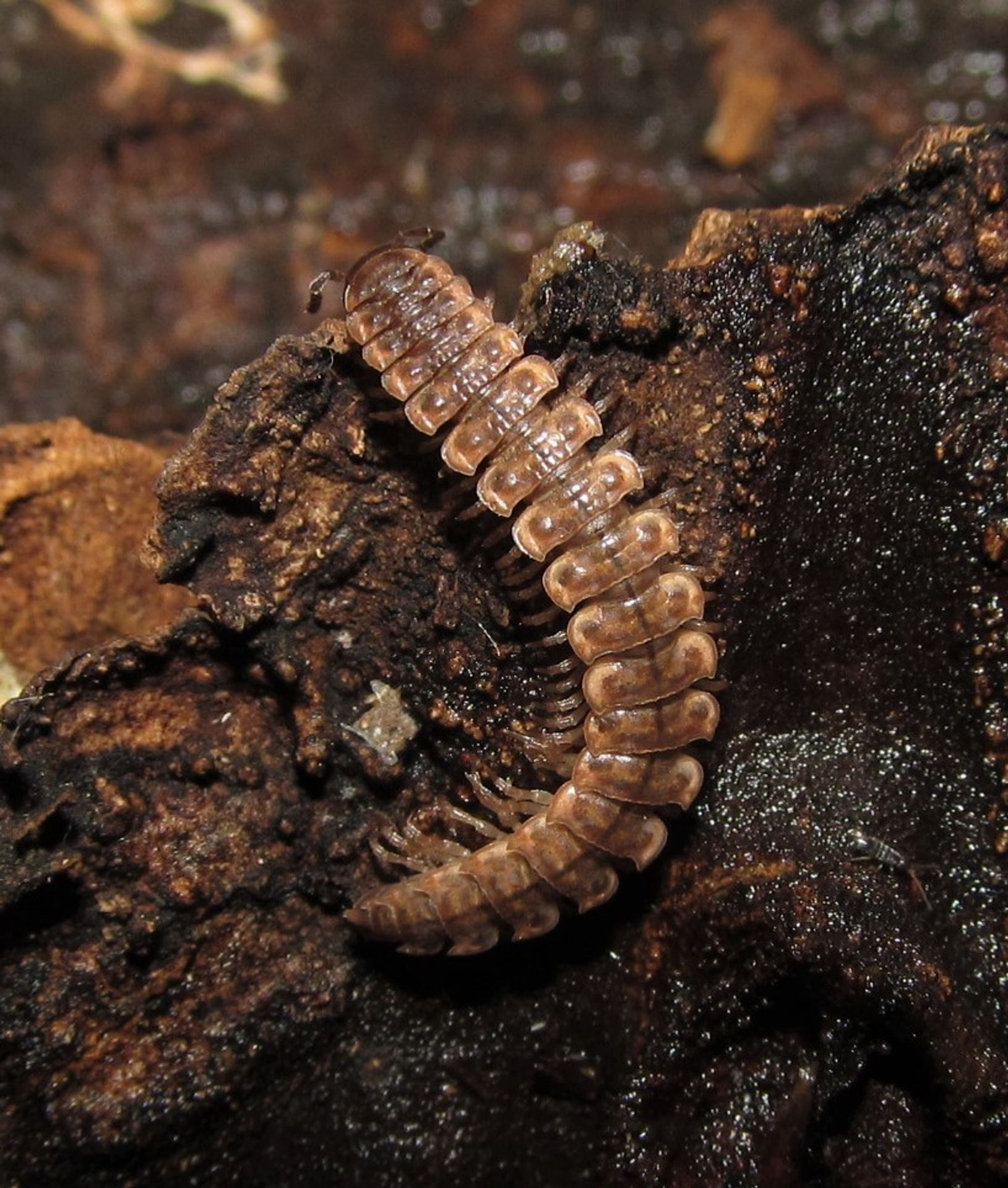
Pseudopolydesmus is a of flat-backed millipedes in the Polydesmidae. Following a 2019 taxonomic review using scanning electron microscopy and ultraviolet fluorescence, the genus now comprises eight recognized in North America. The genus has been subject to recent anatomical studies using 3D imaging techniques to examine internal and external .
Pronunciation
How to pronounce Pseudopolydesmus: //sjuːdoʊˌpɒlɪˈdɛsməs//
These audio files are automatically generated. While they are not always 100% accurate, they are a good starting point.
Images
Habitat
within this occupy forested environments. Pseudopolydesmus pinetorum is associated with pine forest , as indicated by its species epithet. The broader genus distribution includes forest floor and woodland habitats typical of Polydesmidae.
Distribution
North America. Distribution records include the United States (Vermont and other eastern/midwestern states) and Canada.
Human Relevance
Subject of recent scientific research employing advanced imaging techniques. Pseudopolydesmus serratus has been used in 3D x-ray scanning studies to map anatomy and reconstruct morphological structures. The serves as a model for studying diplopod and reproductive .
Similar Taxa
- Other Polydesmidae generaFlat-backed millipedes in the same share the characteristic laterally expanded keeled tergites; -level and generic-level identification requires examination of and other fine structural details
- XystodesmidaeBoth contain flat-backed millipedes with keeled tergites; distinguished by family-level characters including structure and ozopore position
More Details
Taxonomic revision
A 2019 taxonomic review reduced the number of recognized from at least 12 to eight, using scanning electron microscopy and ultraviolet fluorescence to produce detailed diagnostic imagery. The eight currently recognized species are: P. caddo, P. canadensis, P. collinus, P. erasus, P. minor, P. paludicolus, P. pinetorum, and P. serratus.
Research significance
Pseudopolydesmus has been used in advanced morphological studies, including 3D x-ray reconstruction of male P. serratus anatomy and microCT imaging of genitalia development, contributing to understanding of reproductive .
Sources and further reading
- BugGuide
- Wikipedia
- GBIF taxonomy match
- iNaturalist taxon
- NCBI Taxonomy
- Catalogue of Life
- Congrats to UC Davis Scientists Iris Bright and Megan Ma: Selected for NSF REPS Program | Bug Squad
- Laboratory Observations on the Natural History of Pseudopolydesmus pinetorum (Diplopoda, Polydesmida, Polydesmidae) with Emphasis on Reproduction and Growth