
Arenobius manegitus
Chamberlin, 1911
Arenobius manegitus is a of lithobiomorph described by Chamberlin in 1911, originally placed in the Lithobius before being transferred to Arenobius. It belongs to the Lithobiidae, a group of stone centipedes characterized by 15 pairs of legs in . The species is known from a limited number of records in the eastern United States. Available documentation suggests it is a small to medium-sized centipede inhabiting forest floor environments.
Pronunciation
How to pronounce Arenobius manegitus: /ˌɑːrɛˈnoʊbiəs məˈniːɡɪtəs/
These audio files are automatically generated. While they are not always 100% accurate, they are a good starting point.
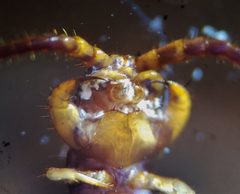
Images
Habitat
Forest floor environments in deciduous or mixed hardwood forests of the Appalachian region.
Distribution
to the eastern United States, with confirmed records from Kentucky, North Carolina, Tennessee, and Virginia.
Ecological Role
Predatory contributing to soil dynamics through on small .
More Details
Taxonomic history
Originally described as Lithobius manegitus by Chamberlin in 1911, later transferred to the Arenobius. The genus Arenobius was established to accommodate previously placed in Lithobius that share particular morphological characteristics, though precise diagnostic features for A. manegitus remain poorly documented in accessible literature.
Data limitations
This is represented by only 10 observations on iNaturalist and appears to be infrequently collected. Original species description and subsequent taxonomic treatments have not been digitized or are not readily accessible, limiting detailed knowledge of , , and .