
Hydroptilinae
Stephens, 1836
Genus Guides
3- Agraylea
- Hydroptila(microcaddisflies)
- Oxyethira
Hydroptilinae is a of microcaddisflies ( Hydroptilidae) comprising at least 60 and approximately 1,600 described . The type genus is Hydroptila Dalman, 1819. Members are among the smallest caddisflies, commonly known as microcaddisflies, and represent one of the most species-rich subfamilies within the order Trichoptera.
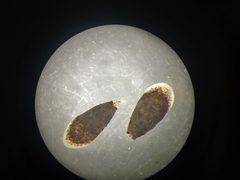
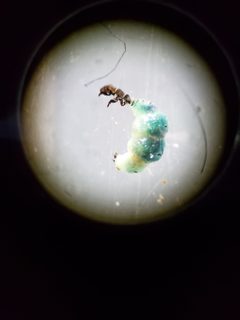
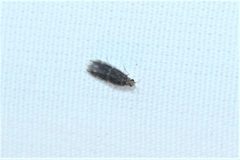
Pronunciation
How to pronounce Hydroptilinae: /haɪdrɒptɪˈlaɪniː/
These audio files are automatically generated. While they are not always 100% accurate, they are a good starting point.
Identification
are distinguished from other caddisflies by their minute size (usually under 5 mm), reduced wing venation, and often hairy wings. Within Hydroptilidae, separation from other requires examination of genitalic structures and wing characteristics; Hydroptilinae generally lacks the specialized modifications seen in Leucotrichiinae and other hydroptilid subfamilies. Larvae construct distinctive portable cases from silk and various materials, often appearing as tiny cylinders or spirals.
Images
Habitat
Aquatic larval stages occur in diverse freshwater including streams, rivers, lakes, ponds, and wetlands. Specific microhabitat preferences vary considerably among and . are typically found near larval habitats, often in riparian vegetation.
Distribution
Worldwide distribution with recorded from all major biogeographic regions. Particularly diverse in the Holarctic, Neotropical, and Oriental regions.
Ecological Role
Larvae function as primary consumers and in freshwater , processing fine particulate organic matter and periphyton. They serve as prey for aquatic and fish. contribute to riparian food webs as prey for spiders, birds, and other .
Similar Taxa
- LeucotrichiinaeAlso within Hydroptilidae; distinguished by male genitalic and larval case construction, with Leucotrichiinae often showing more specialized silk-spinning and distinct case architecture.
- NeotrichiinaeHydroptilid with reduced wing venation; separated by differences in wing coupling apparatus and larval case .