
Hydroptila
Dalman, 1819
microcaddisflies
Species Guides
7- Hydroptila arctia
- Hydroptila armata
- Hydroptila callia(microcaddisfly)
- Hydroptila grandiosa(microcaddisfly)
- Hydroptila icona
- Hydroptila rono(microcaddisfly)
- Hydroptila waubesiana
Hydroptila is a large of microcaddisflies ( Hydroptilidae) with worldwide distribution. are small, typically collected using ultraviolet light traps near freshwater . Larvae are known as "purse-case makers" that construct portable cases from silk and environmental materials such as filamentous . The genus exhibits substantial , with numerous regional endemics documented across Europe, Asia, and the Americas.
Pronunciation
How to pronounce Hydroptila: /hɪˈdrɒptɪlə/
These audio files are automatically generated. While they are not always 100% accurate, they are a good starting point.
Identification
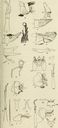
Distinguished from other hydroptilid by combination of genitalic structures and larval case . -level identification requires examination of male genitalia; some species possess uniquely modified plates with lateral arm structures. Larvae identified by case shape (purse-like or compressed) and capsule setation patterns.
Images
Appearance
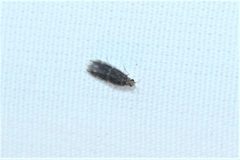
are minute caddisflies, among the smallest in order Trichoptera. Males of some possess distinctive plates with slender lateral arms that bend sharply to meet apically. Larvae construct small, purse-shaped or laterally compressed cases using silk secretions combined with , sand grains, or detritus.
Habitat
Freshwater lotic and lentic including streams, rivers, and standing waters. have been documented in rhithral (upstream, high-gradient) zones of mountain streams, as well as lower elevation rivers. Italian studies indicate occurrence across diverse freshwater from lowlands to montane regions.
Distribution
Worldwide distribution with records from Europe (including Balkan Peninsula, Italy, Slovakia, Scandinavia), Asia (Japan, Oman), and South America (Colombia). Multiple exhibit restricted regional distributions; four species to Italian fauna.
Seasonality
activity recorded during June-August in temperate regions, with some collected in July. Peak appears to coincide with summer months in Mediterranean and temperate zones.
Life Cycle
Larval development includes multiple instars; fifth instar larvae construct definitive purse-cases using filamentous or other materials. Cases are portable and carried throughout larval development. occurs within the case.
Behavior
Larvae are case-makers that construct and inhabit portable silk cases reinforced with environmental materials. are attracted to ultraviolet light traps, suggesting or activity patterns.
Ecological Role
Larvae function as or collector-gatherers in freshwater . Presence in relatively undisturbed upstream indicates sensitivity to habitat degradation; several considered rare and of conservation interest in European freshwater .
Human Relevance
Used as bioindicators for freshwater health and conservation planning. Rare and contribute to biodiversity assessments and highlight priority areas for freshwater protection in the Balkans and other regions.
Similar Taxa
- StactobiellaBoth are hydroptilid microcaddisflies with larval case-making ; distinguished by genitalic and larval capsule setation patterns
- Other Hydroptilidae generaShare small body size and case-making larvae; Hydroptila distinguished by specific male genitalic structures and larval case architecture
More Details
Conservation significance
Multiple Hydroptila are considered rare with restricted distributions, making the important for freshwater biodiversity conservation in Europe. First country records from Kosovo, Slovakia, and Oman demonstrate ongoing range documentation and the importance of survey work in undersampled regions.
Research challenges
-level identification requires specialized taxonomic expertise and examination of male genitalia. Larvae of most species remain undescribed, limiting ecological understanding.
Sources and further reading
- BugGuide
- Wikipedia
- GBIF taxonomy match
- iNaturalist taxon
- NCBI Taxonomy
- Catalogue of Life
- First record of Hydroptila kalonichtis Malicky, 1972 (Trichoptera, Hydroptilidae) from the Western Balkans Prvi nalaz vrste Hydroptila kalonichtis Malicky, 1972 (Trichoptera, Hydroptilidae) sa zapadnog Balkana.
- First record of Hydroptila ivisa Malicky, 1972 (Trichoptera, Hydroptilidae) from the Ecoregion 6, Hellenic Western Balkans
- A New record of Hydroptila cruciata Ulmer in southern Oman with notes on its Larval Biology
- Morphology and biology of the immature stages ofHydroptila itoiKobayashi (Trichoptera, Hydroptilidae)
- <strong>The genus <em>Hydroptila</em> Dalman 1819 in Italy: Ecology and morphology</strong>
- Descriptions of a new species of Hydroptila Dalman and the mature larva of a species of Stactobiella Martynov from Japan (Trichoptera, Hydroptilidae)
- New distributional records of caddisflies (Insecta: Trichoptera) from Kosovo with the first record of Hydroptila vectis Curtis, 1834
- The caddisfly fauna (Insecta: Trichoptera) of the Bajgorë area in Kosovo with the first country record of Hydroptila occulta (Eaton, 1873)
- First Record of Hydroptila ivisa Malicky, 1972 (Trichoptera: Hydroptilidae) from Slovakia, with Additional Data on Caddisflies from Two Western Carpathian Streams