
Phlaeothripinae
Uzel, 1895
Genus Guides
10Phlaeothripinae is the largest of thrips (Thysanoptera), comprising hundreds of and thousands of . Members exhibit diverse feeding habits including fungus-feeding, leaf-feeding, and gall induction. The subfamily shows remarkable morphological plasticity, with many species exhibiting related to wing development and . Notable genera include Liothrips (leaf-feeding, gall-associated), the Australian Acacia-thrips lineage (-specific with documented host-shifts), and various fungus-feeding groups.
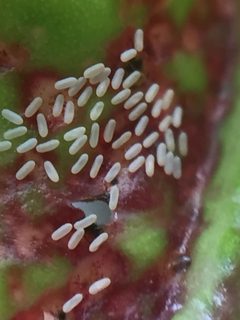
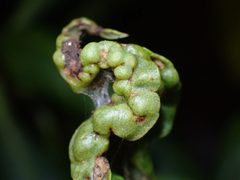
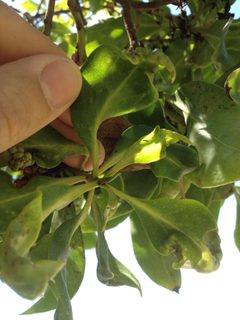
Pronunciation
How to pronounce Phlaeothripinae: //ˌflioʊˈθrɪpɪniː//
These audio files are automatically generated. While they are not always 100% accurate, they are a good starting point.
Images
Habitat
Highly variable across : leaf-litter, fungal substrates, green leaves, galls, and specific plants. Some inhabit branches of trees, seed capsules, or lepidopterous leaf mines.
Distribution
. Strong representation in Australia (including tropical northern zones, Western Australia, Queensland, Tasmania), China (diverse Liothrips fauna), New Zealand, and Holarctic regions. Some introduced to Brazil, California, and Kenya.
Diet
Diverse: fungus-feeding (major feeding mode in many lineages), leaf-feeding on green leaves, gall induction or association with galls. Some kleptoparasitic in leaf roll galls.
Behavior
Many induce galls or live in association with galls. Some form substantial colonies within lepidopterous leaf mines. associated with wing development and sex is common; some lineages show pronounced in feeding stylets. Documented -shifts between unrelated angiosperm orders (Fabales to Proteales and Myrtales) in specialized lineages.
Ecological Role
Fungal-feeding contribute to decomposition in leaf-litter systems. Gall-inducing species modify plant growth. Some species function as kleptoparasites in existing gall systems.
Sources and further reading
- BugGuide
- Wikipedia
- iNaturalist taxon
- NCBI Taxonomy
- Catalogue of Life
- Leaf-feeding species of the genus Liothrips from China (Thysanoptera, Phlaeothripinae)
- New fungus-feeding thrips (Thysanoptera–Phlaeothripinae) from tropical Australia
- Host-shifts at family level in the Australian Acacia-thrips lineage (Thysanoptera, Phlaeothripinae) with two new species
- Identification and host associations of some Thysanoptera Phlaeothripinae described from Australia pre-1930
- The Australia-New Zealand connection re-visited, with two new species of Cartomothrips (Thysanoptera, Phlaeothripinae)
- Eurynothrips Bagnall (Thysanoptera, Phlaeothripinae): a rare and long-lost Australian genus, with one new gall-inducing species
- The Oriental fungus-feeding genus Azaleothrips Ananthakrishnan, 1964 from China with one new species and four new records (Thysanoptera, Phlaeothripidae, Phlaeothripinae).
- Sexual dimorphism of feeding stylets in some Thysanoptera - Phlaeothripinae, with description of two new species of Haplothrips from China.
- Review of the genus Gigantothrips Zimmermann from China and Southeast Asia (Thysanoptera, Phlaeothripidae, Phlaeothripinae).
- The genus Apterygothrips Priesner (Thysanoptera, Phlaeothripinae, Haplothripini) from China, with one new species.