
Ptycta polluta
(Walsh, 1862)
common barklouse
Pronunciation
How to pronounce Ptycta polluta: /ˈtɪkta pəˈluːtə/
These audio files are automatically generated. While they are not always 100% accurate, they are a good starting point.
Identification
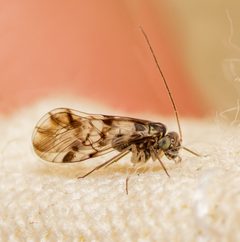
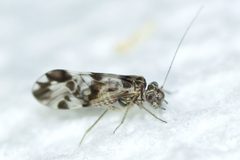
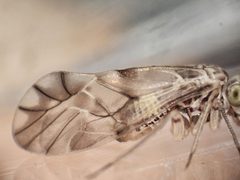
Ptycta polluta can be distinguished from other barklice by its placement in the tribe Ptyctini, which is characterized by specific wing venation patterns and genitalic structures. Definitive identification requires examination of microscopic features, particularly male genitalia and forewing venation. It may be separated from congeneric by subtle differences in coloration and body proportions, though these require expert verification.
Images
Habitat
Distribution
Recorded from the United States, Canada, and Mexico. Present in North America and Middle America broadly.
Ecological Role
As a barklouse, Ptycta polluta likely contributes to nutrient cycling by feeding on microflora (, lichens, fungal spores) on bark surfaces, though this has not been specifically documented for this .
Similar Taxa
- Other Ptycta speciesCongeneric share similar body plans and preferences, requiring microscopic examination for reliable separation.
- Other Psocidae barkliceMany occupy similar bark ; wing venation and genitalic structures are necessary for distinguishing to and level.